Practical ISO 14001 Training for Environmental Teams
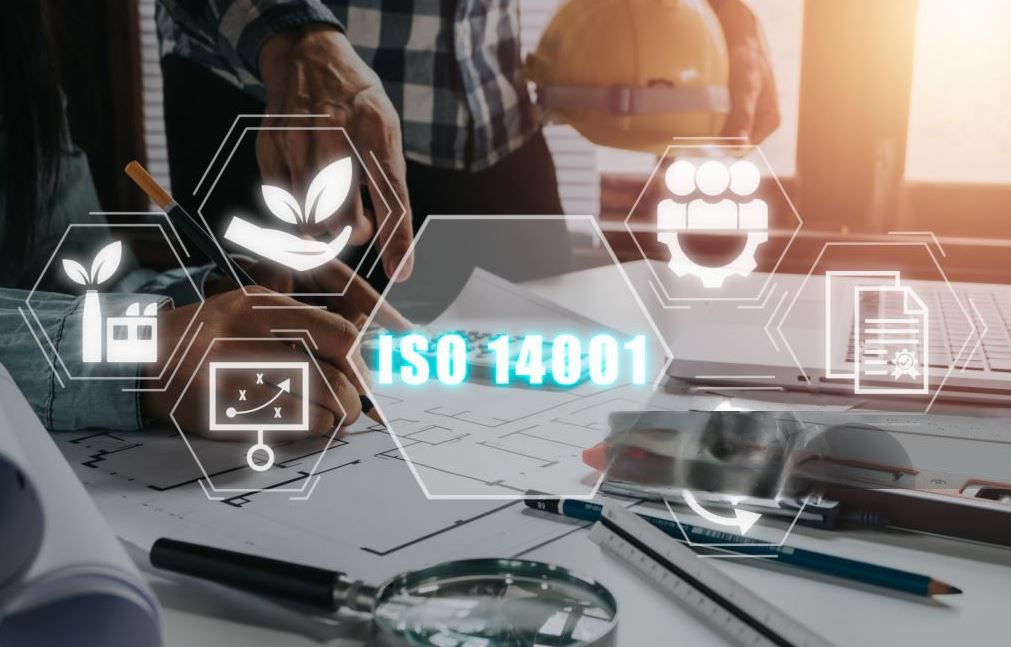
Practical ISO 14001 Training for Environmental Teams

You know what? Sometimes, looking at ISO 14001 can feel like staring into a thick forest—you see clauses, requirements, and technical jargon, and you wonder where to even start. However, it doesn’t have to be overwhelming. In fact, with proper training, ISO 14001 can become less of a document to check off and more of a practical roadmap for real environmental management.

For environmental managers, training in ISO 14001 isn’t just about ticking boxes. Rather, it’s about understanding how to embed sustainability into the DNA of your organization. Moreover, it equips you to guide teams, communicate with executives, and prepare confidently for audits.

Let’s explore how ISO 14001 training works, why it matters, and how you can apply it in real-life operations—all while keeping things engaging and approachable.

What ISO 14001 Really Means

ISO 14001 is the international standard for Environmental Management Systems (EMS). Simply put, it provides a structured framework to minimize environmental impact while staying compliant with regulations. Additionally, it often leads to operational efficiencies and cost savings.

However, many people misunderstand its purpose. ISO 14001 doesn’t promise zero environmental impact overnight. Instead, it emphasizes continuous improvement and proactive thinking. In other words, it’s less about perfection and more about embedding environmental awareness into daily operations.

Think of it like a fitness program for your organization. You don’t become a marathon runner immediately. Rather, you follow a structured plan, track progress, and make gradual improvements. ISO 14001 works the same way—incremental, measurable, and repeatable improvements lead to tangible results.

Why ISO 14001 Training Matters

You might ask, “Can’t we just read the standard and figure it out?” Technically, yes; however, training provides something reading alone cannot: practical know-how.

First, it helps navigate complex environmental regulations. Laws change constantly, and ISO 14001 training teaches managers how to interpret and apply standards in context.
Second, it equips you to communicate across departments. Production staff, procurement, and logistics often see environmental policies as abstract rules. Training gives you the right vocabulary and strategies to make sustainability relatable.
Third, it prepares your organization for audits. Auditors look for evidence of understanding, not just paper compliance. Training ensures you can demonstrate that your EMS works in practice.
Finally, training uncovers operational efficiencies. Energy savings, waste reduction, and resource optimization often appear as side benefits of implementing structured environmental controls.

Honestly, treating ISO 14001 as a bureaucratic hurdle means missing the real value—it’s a tool for smarter, more responsible management.

Core Components of ISO 14001 Training

ISO 14001 training usually covers five essential areas, each of which builds on the previous. Consequently, understanding them sequentially makes the standard much easier to apply.

1. Environmental Policy and Leadership

Training emphasizes that ISO 14001 starts at the top. Moreover, organizations must have a clearly defined environmental policy, endorsed by senior management.

Training teaches managers how to:

Craft a policy that is both realistic and aspirational

Communicate it effectively across departments

Ensure it guides operational decisions without micromanaging

For example, a manufacturing plant implemented a recycling initiative because their environmental policy encouraged reducing waste “where feasible.” Training helped managers identify high-impact areas, communicate goals to staff, and track results. As a result, the program succeeded where previous efforts had stalled.

2. Identifying Environmental Aspects and Impacts

Here’s where many managers stumble. ISO 14001 requires identifying all activities that could affect the environment and evaluating their significance. In practice, this means looking at energy consumption, emissions, water use, waste, and chemical handling.

Interestingly, the largest environmental risks are often hidden. For example:

Packaging logistics may generate more carbon emissions than production itself

Cleaning agents in maintenance may contain hazardous chemicals

Training provides structured tools to spot these risks, assess their significance, and prioritize corrective actions. Moreover, it ensures that minor activities don’t slip through the cracks.

3. Legal and Regulatory Compliance

ISO 14001 complements—but does not replace—environmental laws. Therefore, training teaches managers to:

Identify relevant regulations in their jurisdiction

Maintain records demonstrating compliance

Integrate legal requirements into daily operations

Furthermore, training introduces practical tools like regulatory databases and automated compliance checklists. Consequently, managers can reduce time spent hunting PDFs or consulting legal counsel for routine compliance questions.

4. Operational Control and Risk Management

Once hazards are identified, ISO 14001 emphasizes operational control. In other words, your processes must actively prevent environmental harm.

Training guides managers to implement procedures for:

Waste management and disposal

Energy and water efficiency

Preventive maintenance to avoid spills or leaks

For instance, a chemical facility could suffer serious fines or reputational damage due to a single accidental spill. However, with structured operational controls taught in ISO 14001 training, risks are minimized, and staff know exactly what steps to take.

5. Monitoring, Measurement, and Continual Improvement

Finally, ISO 14001 is about improvement over time. Consequently, monitoring and measurement are essential.

Training equips managers to:

Develop KPIs for environmental performance

Conduct internal audits

Lead management reviews that drive tangible improvements

Interestingly, many organizations discover hidden efficiencies during this stage, like reduced energy consumption or optimized waste streams. Thus, continual improvement isn’t just theoretical—it translates into real operational gains.

Types of ISO 14001 Training

Training comes in levels, depending on role and responsibility. Therefore, choosing the right type ensures relevance and effectiveness:

Awareness training: Introduces all staff to basic environmental responsibility

Operational training: For employees directly involved in environmental impacts

Lead auditor training: For managers conducting audits or preparing for certification

Internal auditor training: Focused on process auditing, documentation, and reporting

Moreover, awareness training shouldn’t be underestimated. In fact, employees who understand their role in sustainability are more engaged and proactive.

Practical Tips for Environmental Managers

Implementing ISO 14001 can feel daunting. However, training gives you strategies to make it stick:

Engage leadership early: Without top-level support, initiatives stall

Integrate with workflows: Embed EMS procedures into existing routines

Use real data: Energy meters, waste logs, and emissions reports make training tangible

Encourage cross-functional teams: Environmental impacts span procurement, production, and logistics

Interestingly, mistakes are also opportunities. ISO 14001 training teaches managers to analyze failures without blame, fostering a culture of learning.

ISO 14001 Certification vs Training

Many confuse training with certification. However, they are distinct:

Training equips you with knowledge and practical skills

Certification is formal recognition that your EMS meets ISO 14001 standards

Think of it this way: training is learning to ride the bike; certification proves you can ride safely. Thus, one supports the other, and both are essential for a credible EMS.

Common Challenges and How Training Helps

Even experienced managers face hurdles. For instance:

Resistance to change: Staff may see EMS as extra work; training provides communication strategies

Data overload: So many metrics can be confusing; training teaches prioritization

Integration with other standards: ISO 9001 or ISO 45001 may overlap; training shows how to harmonize processes

In short, proper training transforms challenges into opportunities for improvement.

The ROI of ISO 14001 Training

Training is often seen as a cost. However, the return is significant:

Reduced fines and legal risk

Operational efficiencies and cost savings

Enhanced brand credibility

Higher employee engagement

Moreover, environmental managers equipped with training are more confident, proactive, and effective, which amplifies organizational impact.

Final Thoughts: Training is the Key to Success

ISO 14001 training isn’t a checkbox. Rather, it’s a toolkit that transforms standards from paper into actionable systems. Consequently, managers can implement, monitor, and improve their EMS with confidence.

Ultimately, sustainability is a culture, not a document. And training is what makes that culture real. Therefore, investing in ISO 14001 training is not just compliance—it’s a strategic lever for efficiency, credibility, and long-term environmental stewardship.

bixela4976 Avatar

Leave a Reply

Your email address will not be published. Required fields are marked *

Liyana Parker

Lorem ipsum dolor sit amet, consectetur adipiscing elit, sed do eiusmod tempor incididunt ut labore et dolore magna aliqua. Ut enim ad minim veniam, quis nostrud exercitation ullamco laboris nisi ut aliquip ex ea commodo consequat.