Introduction
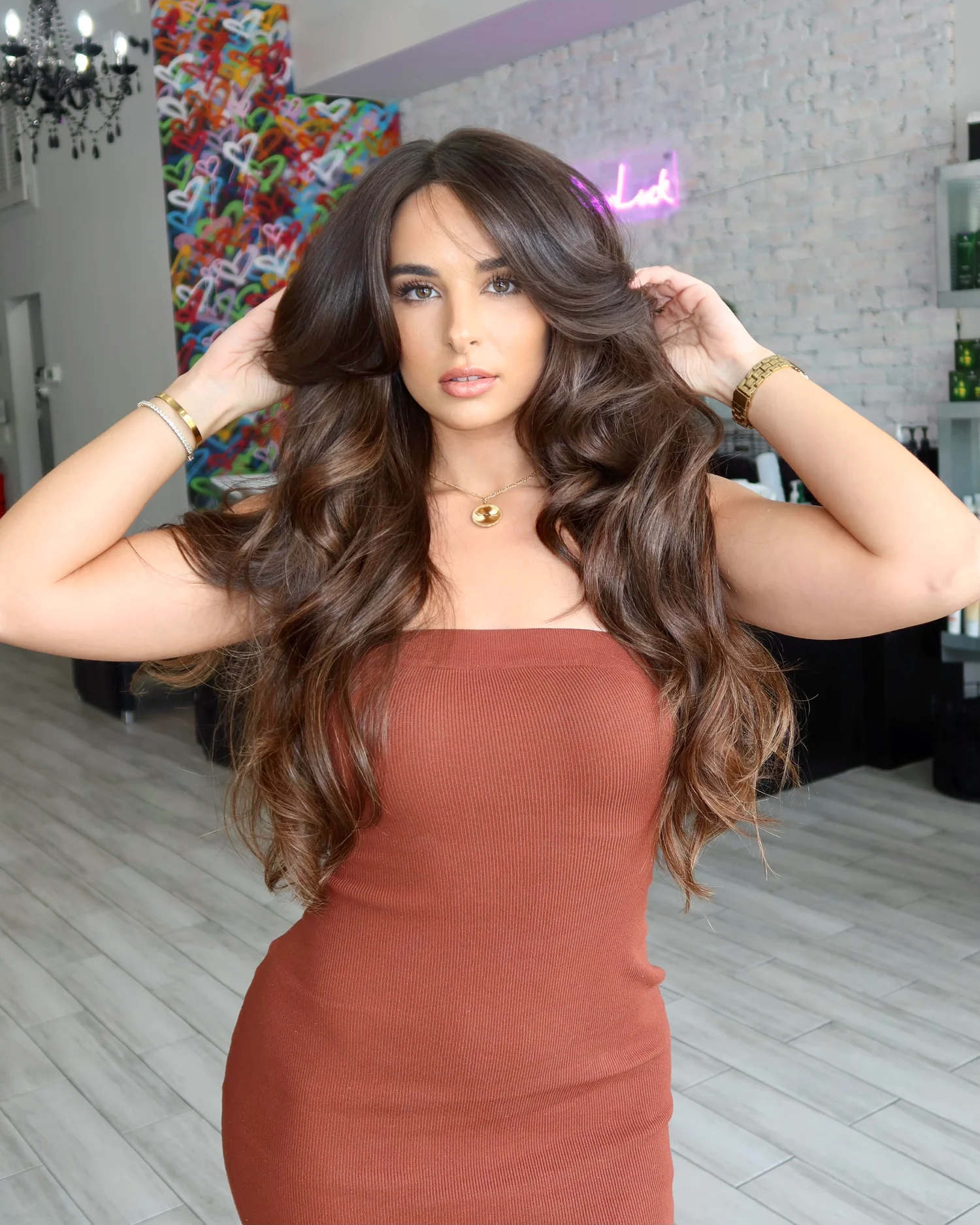
Weft hair extensions are a popular option for people who want to add length, fullness, and styling flexibility to their natural hair. They consist of hair strands attached along a continuous strip, allowing them to be installed using different techniques.
Depending on their construction and application method, they can create a fuller hairstyle while blending with natural hair. Understanding how weft hair extensions work, how to select the right type, and how to care for them can help people make informed decisions. Belbonita Hair Extensions can also be explored when comparing different extension styles and options.
What Are Weft Hair Extensions
Weft hair extensions are made by attaching multiple strands of hair together at the top to form a connected track. This track can then be applied to natural hair using a suitable installation method. Unlike individual strand extensions, wefts provide coverage across a wider section, making them useful for adding overall volume and length.
Wefts are available in different lengths, colors, textures, and constructions. Some are designed to be sewn into braided hair, while others may be attached using beads or other professional techniques. The correct option depends on natural hair condition, desired styling results, and the recommendations of an experienced stylist.
How Weft Hair Extensions Work
The installation process begins with assessing the natural hair and deciding where additional length or fullness is needed. A stylist usually divides the hair into sections before preparing the wefts for placement. The extensions are then secured using the method appropriate for their construction.
Proper placement is important because it helps distribute weight evenly and keeps the attachment points discreet. The stylist also considers the natural direction of hair growth and the hairstyle the person wants to achieve. When installed correctly, the extensions can move naturally with the existing hair.
The installation method should never cause discomfort or excessive tension. If the scalp feels painful or the hair is being pulled tightly, the placement should be checked by a professional.
Different Types of Weft Hair Extensions
There are several types of wefts, and their construction can influence how they are installed. Machine wefts are created using a sewing machine to secure hair strands along a track. They are commonly used for sew-in applications and are known for their structured construction.
Hand-tied wefts are made by manually tying hair strands into a thinner track. Their lightweight construction can make them suitable for certain professional installation methods. However, they require careful handling and should be installed according to the manufacturer’s instructions.
Some products are designed with a flatter or more flexible construction to suit different attachment techniques. The best choice depends on hair density, scalp comfort, and the stylist’s experience. Not every weft type is suitable for every installation method.
Choosing the Right Hair Texture
Texture is an important factor when selecting weft hair extensions. Straight extensions are often chosen for smooth and sleek hairstyles, while wavy options provide movement and a relaxed finish. Curly textures can add definition and fullness to naturally curly hairstyles.
Matching the extensions with natural hair texture can make blending easier. It also reduces the need for repeated heat styling to make the two hair types look similar. Before selecting a product, consider how natural hair behaves after washing and drying, as this can affect the final appearance.
Finding a Natural Color Match
A suitable color match helps extensions blend with natural hair. Hair color can vary from the roots to the ends, so choosing a shade based only on the root color may not always produce the best result. Checking the middle lengths and ends in natural daylight can provide a more accurate comparison.
Belbonita Hair Extensions can be included in the research process when exploring available shades, textures, and lengths. Reviewing product descriptions and comparing the color options with natural hair can help narrow down suitable choices. The aim is to create a consistent appearance rather than selecting a shade simply because its name sounds similar.
Exploring Belbonita Hair Extensions
When researching Belbonita Hair Extensions, it is useful to consider the details that affect how an extension will look and feel. Product construction, available lengths, color choices, and texture should all be reviewed before making a decision.
People interested in weft hair extensions should also understand whether a product is designed for sewing, bead-based installation, or another application technique. These details help determine whether the extensions match the intended hairstyle and professional installation plan.
Taking time to compare product information can make the buying process more straightforward. It is also helpful to ask a qualified stylist about compatibility with natural hair before choosing a particular weft.
Preparing Natural Hair for Installation
Healthy preparation can support a more comfortable extension experience. Before installation, natural hair should be clean, dry, and free from heavy product buildup, unless the stylist recommends otherwise. The scalp and hair should also be checked for irritation, breakage, or areas of weakness.
A professional stylist can assess whether the natural hair is strong enough to support the selected extension type. They can also decide how many wefts are appropriate and where they should be placed. Using too much extension hair may create unnecessary weight, so the final arrangement should suit the person’s natural hair density.
Caring for Weft Hair Extensions
Regular maintenance helps keep extensions looking neat and manageable. Brush gently from the ends upward, supporting the hair near the attachment area to avoid unnecessary pulling. Use suitable products and follow the care instructions provided for the specific extension material.
Washing should be gentle, with attention given to removing shampoo and conditioner properly. Avoid rough rubbing and excessive heat, as these habits may contribute to tangling or dryness. When using heated styling tools, apply an appropriate heat protectant if the hair type allows heat styling.
The maintenance routine depends on the installation method and the type of hair used. Professionally installed wefts may require periodic checks or repositioning. Follow the stylist’s recommended schedule and never attempt to remove a sewn-in or professionally attached weft by pulling it out.
Styling Weft Hair Extensions
Weft extensions can be styled in different ways depending on their texture and construction. Loose waves, straight styles, ponytails, and selected updos may all be possible when the placement allows them. The hairstyle should be chosen with attachment points in mind so that the wefts remain covered.
For a natural finish, blend the extensions with the surrounding hair using suitable styling techniques. Avoid hairstyles that place strong tension on the scalp, especially around the hairline. If a particular style exposes the tracks, a stylist can suggest a different placement or styling approach.
Common Mistakes to Avoid
Choosing extensions without checking their weight, texture, or color can make blending difficult. Another mistake is selecting an installation method without considering the condition of natural hair. Wefts that are too heavy or fitted too tightly may create tension and discomfort.
Skipping maintenance can also lead to tangling and make removal more difficult. Follow professional care instructions, attend recommended maintenance appointments, and seek help if the scalp becomes sore or irritated. Careful selection and proper handling can support a better overall experience.
Frequently Asked Questions
What are weft hair extensions?
Weft hair extensions are connected sections of hair attached along a track. They are installed using suitable methods to add length, volume, or fullness to natural hair.
How long do weft hair extensions last?
Their lifespan depends on hair quality, installation technique, maintenance, and daily styling habits. Follow the product instructions and ask a stylist about the expected maintenance schedule.
Can weft hair extensions look natural?
Yes. Matching the color and texture, choosing an appropriate amount of hair, and using professional placement can help create a natural-looking result.
Are weft hair extensions suitable for thin hair?
They may be suitable for some people with fine or thin hair, but weight and installation method are important. A qualified stylist should assess the hair before recommending a weft.
Can I wash weft hair extensions?
Many types can be washed, but the correct routine depends on the hair material and installation method. Follow the manufacturer’s instructions and use gentle handling.
How do I choose Belbonita Hair Extensions?
Review the available product details, including texture, color, length, construction, and installation requirements. A stylist can help determine which option is compatible with your natural hair.
Conclusion
Weft hair extensions offer a practical way to explore added length and fullness while maintaining a range of styling choices. Selecting the right construction, texture, color, and installation method is essential for a balanced appearance.
Proper preparation and regular care also help keep extensions manageable and comfortable. By researching options such as Belbonita Hair Extensions and seeking professional guidance when needed, people can make informed choices that suit their natural hair and personal styling preferences.


Leave a Reply