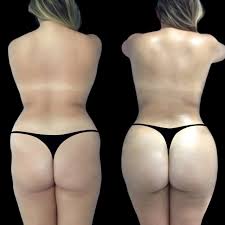
Understanding Butt Fat Transfer Surgery in Dubai and Follow-Up Care
Butt Fat transfer Surgery in dubai involves collecting fat from areas such as the abdomen, waist, or thighs and transferring it to the buttocks. The procedure aims to improve body contours by reducing fat in selected donor areas and adding volume to the buttocks.
After surgery, the body begins a healing process. Some of the transferred fat is naturally absorbed, while some may survive and remain in the treated area. The final outcome depends on several factors, including individual healing, surgical technique, and changes in body weight.
Follow-up visits help monitor these changes. During appointments, the medical team may examine the treated areas, assess swelling, review symptoms, and explain whether recovery is progressing as expected.
Patients can also discuss concerns about discomfort, activity restrictions, and changes in appearance. These conversations are useful because recovery experiences differ from person to person.
Follow-up care does not guarantee a particular result, but it supports safer recovery and helps patients understand what to expect at each stage.
Why Follow-Up Visits Matter After Butt Fat Transfer in Dubai
Follow-up appointments are an important part of surgical care because recovery continues after a patient leaves the surgical facility.
People undergoing butt fat transfer in dubai may have questions about swelling, bruising, sitting positions, walking, sleeping, and returning to normal activities. Regular medical reviews provide an opportunity to receive guidance based on individual progress.
Follow-up visits may help with several important aspects of recovery:
- Checking whether incisions and treated areas are healing appropriately.
- Reviewing swelling, bruising, tenderness, and discomfort.
- Discussing activity restrictions and gradual return to daily routines.
- Identifying symptoms that may need further assessment.
- Reviewing changes in body shape as healing progresses.
- Providing advice about ongoing care and realistic expectations.
Patients should attend the appointments recommended by their medical team, even if they feel well. Some problems may not be obvious without an appropriate examination.
It is also important to contact the medical team between appointments if new or concerning symptoms develop rather than waiting for the next scheduled visit.
Butt Fat Transfer Recovery: What Happens During Follow-Up Appointments?
butt fat transfer recovery takes time, and the healing process varies between individuals. Follow-up appointments help the medical team assess progress and explain what is normal at different stages.
During an appointment, the medical professional may ask about pain, swelling, bruising, sleep, movement, and any difficulties following aftercare instructions. They may examine the donor areas and the buttocks to check for signs of healing problems.
Patients should describe their symptoms honestly. Information about increasing pain, changes in skin colour, unusual swelling, fever, or fluid coming from an incision may help the medical team decide whether further assessment is needed.
Follow-up appointments may also include discussions about returning to work, exercise, and other daily activities. The timing depends on the procedure, the person’s health, and the progress of recovery.
Patients should not assume that feeling better means every activity is safe. Following individual medical advice remains important throughout the healing period.
Butt Fat Transfer Results: How Follow-Up Visits Help Monitor Changes
butt fat transfer results develop gradually. In the early stages, swelling and bruising can affect the appearance of the buttocks and donor areas. As the body heals, swelling decreases and the transferred fat settles.
Some of the transferred fat is naturally absorbed by the body. The amount that survives differs from person to person, so the final shape may not be clear immediately after surgery.
Follow-up visits allow the medical team to observe changes over time and discuss whether the healing process appears consistent with expectations. Patients can raise questions about asymmetry, volume changes, or areas that look different from the early postoperative appearance.
It is important not to judge the final outcome too soon. Early swelling can make the buttocks appear larger or less even than they will look later.
Patients should also understand that results are not guaranteed to remain unchanged. Future weight changes, ageing, and individual body characteristics can affect the appearance of the treated area.
Fat Transfer From Stomach to Buttocks: Why Both Areas Need Monitoring
fat transfer from stomach to buttocks involves removing fat from the abdominal area and transferring it to the buttocks. Because two areas of the body are involved, both need appropriate attention during recovery.
The abdominal donor area may experience swelling, bruising, tenderness, or temporary changes in sensation. The buttocks may also feel swollen or uncomfortable as the transferred fat and surrounding tissues heal.
During follow-up appointments, the medical team can assess both areas and discuss any symptoms that require attention. Patients should report changes rather than assuming that every symptom is part of normal recovery.
The stomach may look different after fat removal, while the buttocks may change as swelling decreases and some transferred fat is absorbed. These changes occur over time, and the final appearance varies between individuals.
Following aftercare instructions and attending scheduled visits can help patients understand these changes and recognise when medical advice is needed.
Fat Transfer From Stomach to Butt: Questions to Ask During Follow-Up
People who undergo fat transfer from stomach to butt may have questions about healing, daily activities, and the long-term appearance of their body.
Preparing questions before an appointment can help patients make better use of their time with the medical team. It can also reduce confusion about aftercare instructions.
Useful questions may include:
- Is my recovery progressing as expected?
- How long should I continue following my current activity restrictions?
- When can I safely return to work or exercise?
- Which symptoms should prompt me to contact the medical team?
- How should I care for the donor areas?
- When can the results be assessed more reliably?
- Could future weight changes affect the appearance of my buttocks?
Patients should also ask for clarification if they do not understand any instructions. It is better to confirm what is safe than to guess or follow advice intended for someone else.
Keep a record of new symptoms and any changes that concern you. This information can help the medical team understand what has happened between visits.
Best Butt Fat Transfer Surgeons in Dubai: The Importance of Aftercare Planning
People searching for the Best butt fat transfer surgeons in dubai should consider the complete treatment process, including postoperative support and follow-up care.
Before surgery, patients should ask what the follow-up schedule involves, whom they should contact if a concern develops, and how urgent problems are handled. They should also understand what care is included in the treatment plan.
Search phrases such as Best butt fat transfer surgeon in Dubai and Best butt fat transfer surgeons in Dubai are commonly used when researching cosmetic procedures. However, online rankings and promotional claims do not establish medical qualifications or guarantee a safe outcome.
Patients should independently verify relevant professional credentials and confirm that the surgical facility is appropriately licensed. They should ask about the procedure’s risks, the technique used, and the support available throughout recovery.
Clear aftercare arrangements are important because patients need to know how to seek help if their recovery does not progress as expected.
Best Doctors in Dubai: Understanding Medical Guidance After Surgery
The search term Best Doctors in dubai may appear when people look for information about cosmetic surgery and recovery. However, choosing medical care should involve more than online popularity or advertising.
Patients should look for clear communication, relevant qualifications, and a willingness to explain risks and limitations. They should feel comfortable asking questions about their treatment plan and reporting symptoms without hesitation.
Terms such as Dr. perfect celebrity and Perfect Doctors Clinic may also appear in online searches. These phrases alone do not provide enough information to judge a medical professional’s qualifications, the quality of care, or the safety of a procedure.
Before treatment, patients should confirm who will perform the procedure, where it will take place, and how follow-up care will be arranged.
After surgery, medical advice should be based on the patient’s condition and progress rather than general online information. Personalised guidance is especially important when symptoms change or complications are suspected.
Fat Transfer Clinic in Dubai: Preparing for Postoperative Visits
Searching for a fat transfer clinic in dubai may be one step in learning about cosmetic procedures. Before choosing treatment, patients should also understand how postoperative appointments will be managed.
Preparation can make follow-up visits more useful. Patients can bring a list of questions, note any symptoms, and keep track of medicines they are taking. If they have concerns about swelling, discomfort, or changes in appearance, they should explain when those changes started and whether they are getting better or worse.
It is also useful to understand whom to contact outside normal appointment times if urgent symptoms develop.
Patients should receive clear instructions about wound care, activity restrictions, medication use, and warning signs. If instructions are unclear, they should ask the medical team to explain them.
Follow-up care should be viewed as an essential part of the treatment plan, not an optional step to skip when recovery appears straightforward.
Butt Fat Transfer Surgery Cost in Dubai: Does Follow-Up Care Matter?
The Butt Fat transfer Surgery cost in dubai may vary depending on the procedure, the amount of fat transferred, the donor areas involved, anaesthesia, and the care included in the treatment plan.
When discussing the butt fat transfer cost, patients should ask for a clear explanation of what the quoted amount covers. They can ask whether postoperative appointments, routine assessments, prescribed medication, compression garments, and additional care are included or charged separately.
Understanding these details can help patients plan their budget and avoid unexpected expenses.
Cost should not be the only factor when choosing surgery. Safety measures, professional qualifications, appropriate facilities, and access to follow-up care are also important considerations.
Patients should also ask what to do if they develop unexpected symptoms or need an additional assessment. Knowing how to obtain medical help is an important part of preparing for surgery.
A higher price does not guarantee better results, and a lower price does not establish that treatment is unsafe. Decisions should be based on transparent information and an appropriate medical assessment.
Butt Fat Transplant: Monitoring Long-Term Changes After Surgery
A butt fat transplant uses a person’s own fat to improve the volume and shape of the buttocks. After healing, some transferred fat may remain for many years, but its appearance can change over time.
Weight gain can enlarge fat cells, while weight loss can reduce their size. Ageing and natural changes in body composition may also influence body contours.
Follow-up appointments during the early recovery period help assess healing, while later reviews may be recommended depending on the patient’s progress and concerns.
Patients should maintain realistic expectations. No follow-up schedule or lifestyle habit can guarantee that every transferred fat cell will survive or that the final shape will remain exactly the same.
Maintaining a relatively stable weight, following medical advice, and seeking help when concerns arise can support long-term health. Patients should discuss significant planned weight changes with a qualified medical professional if they are concerned about how these changes may affect their results.
Warning Signs That Need Medical Attention After Butt Fat Transfer
Follow-up visits are important, but patients should not wait for a scheduled appointment if serious symptoms develop.
Contact the medical team promptly if you experience worsening pain, fever, increasing redness, unusual swelling, or concerning changes around an incision.
Seek emergency medical care if you develop sudden shortness of breath, chest pain, fainting, or other symptoms that may indicate a serious complication. Fat transfer to the buttocks carries a risk of fat embolism, which can be life-threatening.
Patients should follow the emergency instructions provided by their medical team and avoid attempting to diagnose or treat serious symptoms at home.
Knowing which symptoms require urgent attention helps patients respond quickly and obtain appropriate care.
Conclusion: Why Follow-Up Visits Are Essential After Butt Fat Transfer Surgery in Dubai
Follow-up visits are an important part of recovery after Butt Fat transfer Surgery in dubai. They allow the medical team to monitor healing, assess changes in the donor and treatment areas, answer questions, and identify potential complications.
Patients can make these visits more useful by following aftercare instructions, reporting symptoms honestly, and preparing questions about daily activities and long-term results.
It is also important to remember that healing takes time and that results vary between individuals. Some transferred fat is naturally absorbed, and future weight changes may affect the appearance of the buttocks.
By attending recommended appointments and seeking medical advice when concerns arise, patients can take a more informed approach to recovery and their overall health.


Leave a Reply