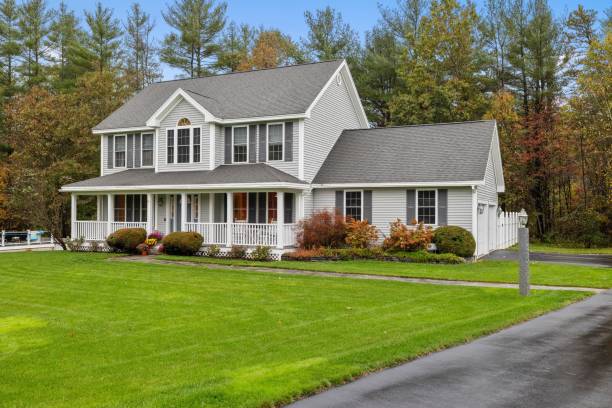
Transforming your house into a modern, comfortable, and functional living space is an exciting opportunity. However, renovating an entire property involves careful planning, financial management, construction coordination, and countless design decisions. Whether you own a detached home in North York, a semi-detached property in the Annex, or a rental investment anywhere in the Greater Toronto Area (GTA), a complete home makeover requires a well-organized approach.
For many homeowners, the thought of construction noise, dust, unexpected expenses, and project delays can make the renovation process feel overwhelming. Fortunately, with the right preparation and professional support, Full-house renovations in Toronto can become a manageable and rewarding experience.
Working with an experienced House contractor in Toronto, such as Avenir Delta Contracting Inc., can help simplify the process. From initial planning and permit applications to structural improvements and final finishing, a coordinated renovation strategy keeps your project organized while helping you achieve your desired results.
Start Your Toronto Home Renovation with a Clear Plan
Successful home renovations begin long before demolition starts. Establishing your goals, budget, and timeline early can prevent unnecessary stress and costly changes later.
Identify Your Renovation Goals
Begin by determining what you want to accomplish. You may wish to create an open-concept living area, modernize an outdated kitchen, renovate bathrooms, improve energy efficiency, or redesign your entire floor plan.
Separate essential upgrades from optional improvements. Addressing structural issues, outdated electrical systems, and plumbing concerns should generally take priority over decorative enhancements. A clearly defined scope helps your contractor develop an appropriate renovation plan.
Establish a Practical Budget
A realistic budget should account for labour, materials, design services, permits, inspections, and finishing details. Older Toronto properties may contain hidden issues, including aging plumbing, outdated wiring, deteriorated framing, or moisture damage.
To prepare for unexpected expenses, consider setting aside a contingency fund of approximately 10% to 15% of your overall renovation budget. The appropriate amount will depend on the property’s age, condition, and project complexity.
Decide Where You Will Live During Construction
Depending on the renovation scope, remaining in your home may be inconvenient or unsafe. Extensive kitchen renovations, bathroom demolitions, and major structural modifications can disrupt everyday routines.
Discuss temporary accommodation options with your contractor before construction begins. Making this decision early helps you manage household arrangements and avoid unnecessary last-minute pressure.
Step 1: Complete the Design and Permit Process
Detailed preparation is essential for keeping a whole-house renovation on schedule. Before construction begins, homeowners should work with qualified professionals to finalize the design, confirm technical requirements, and determine which approvals are necessary.
Develop Detailed Architectural Plans
Architectural drawings help translate your ideas into a practical construction plan. Depending on your goals, these may include revised floor layouts, structural details, electrical plans, and kitchen or bathroom designs.
Three-dimensional renderings can also help you visualize your renovated home before work starts. Reviewing these plans in advance makes it easier to refine layouts, compare materials, and make confident design decisions.
Obtain the Required Building Permits
Many major renovation projects in Toronto require building permits, particularly when structural components, additions, or significant layout changes are involved. Depending on the property and proposed work, zoning reviews and other approvals may also be necessary.
An experienced Toronto renovation contractor can help coordinate drawings, documentation, permit applications, and required inspections. Confirming the applicable requirements with the City of Toronto before construction reduces the risk of compliance issues and avoidable delays.
Order Materials Before Work Begins
Custom cabinets, specialty tiles, flooring, plumbing fixtures, and decorative lighting can have extended delivery times. Selecting and ordering important materials early helps keep tradespeople working efficiently.
A detailed procurement schedule also makes it easier to coordinate deliveries with construction milestones and minimize disruptions.
Step 2: Prepare the Property for Structural Work
Once the design, approvals, and materials are ready, the physical renovation can begin. Demolition and framing establish the foundation for the home’s new layout.
Remove Outdated Interior Features
Depending on the approved scope, contractors may remove old flooring, drywall, cabinets, fixtures, and interior partitions. Protective coverings and dust-control barriers help reduce the spread of debris into areas that remain in use.
Before demolition, the team should also identify potential hazardous materials and arrange appropriate assessment or removal when necessary.
Modify the Layout Safely
Homeowners often choose full-house renovations to create larger living areas, improve natural light, or make better use of available space. Removing certain walls may help achieve these goals, but load-bearing elements require careful assessment.
Where structural changes are planned, qualified professionals determine the necessary support systems. Temporary shoring and engineered beams may be required to maintain structural stability during construction.
Arrange Required Inspections
Framing and structural work must meet applicable building requirements. Scheduling inspections at the correct stages helps identify potential issues before they become hidden behind insulation or drywall.
Step 3: Upgrade Electrical, Plumbing, and HVAC Systems
Modernizing essential building systems is one of the most valuable parts of a comprehensive house renovation. These improvements can increase safety, improve comfort, and support modern household needs.
Modernize Electrical and Plumbing Infrastructure
Older properties may require electrical panel upgrades, additional circuits, updated wiring, or replacement plumbing lines. The exact improvements depend on the home’s existing systems and anticipated electrical and water demands.
Licensed electrical contractors and qualified plumbing professionals should complete work within their respective areas of expertise. Required inspections and approvals help ensure the systems meet applicable standards.
Improve Heating and Cooling Performance
An HVAC assessment can identify opportunities to improve airflow, temperature consistency, and energy efficiency. Depending on the home’s design, improvements may involve ductwork modifications, equipment upgrades, or better distribution throughout renovated spaces.
Strengthen Insulation and Energy Efficiency
Toronto’s seasonal temperature extremes make insulation and air sealing important considerations. Appropriate insulation in exterior walls and attics can help maintain indoor comfort and reduce energy consumption.
Your renovation team can recommend suitable materials and installation methods based on the building’s construction, moisture-management requirements, and applicable energy standards.
Step 4: Complete Interior Finishes and Final Inspections
Once structural and mechanical work is approved, attention turns to the details that make your renovated property feel like home.
Install Drywall, Paint, and Decorative Finishes
Drywall installation, taping, sanding, and priming create smooth surfaces for painting. Choosing complementary colours, textures, and finishes helps establish a consistent design throughout the property.
Upgrade Flooring, Cabinetry, and Fixtures
Engineered hardwood, porcelain tile, custom kitchen cabinets, bathroom vanities, and modern lighting can significantly improve both appearance and functionality. Select materials that match your lifestyle, maintenance preferences, and budget.
Coordinating these installations with the construction schedule helps prevent damage to newly completed surfaces and reduces unnecessary rework.
Complete the Final Walkthrough
Before accepting the completed project, review the workmanship, test fixtures, inspect finishes, and identify any outstanding deficiencies. Your contractor should coordinate applicable final inspections and permit closeout requirements.
A thorough post-construction cleaning and a documented list of warranties, product information, and maintenance recommendations will help you transition comfortably into your renovated home.
Practical Ways to Reduce Home Renovation Stress
Even a well-planned renovation can involve unexpected decisions. A few consistent project-management habits can make the experience considerably easier.
- Finalize design choices early: Confirm paint colours, flooring, tiles, cabinetry, and fixtures before they are needed on-site. Late changes can increase costs and disrupt schedules.
- Schedule regular progress meetings: Weekly updates with your project manager help you understand completed work, upcoming milestones, and potential challenges.
- Keep a record of decisions: Document approvals, estimates, change orders, and important conversations to minimize misunderstandings.
- Choose a coordinated renovation team: Working with one general contractor can simplify communication between designers, subcontractors, suppliers, and other project participants.
- Prepare for unexpected developments: Maintain financial flexibility and allow reasonable time for inspections, material deliveries, and unforeseen repairs.
Transform Your Property with Avenir Delta Contracting Inc.
Planning a complete home makeover does not need to become a source of constant stress. With a clear budget, thoughtful design, proper permits, and an organized construction schedule, you can approach your renovation with greater confidence. Avenir Delta Contracting Inc. can be your starting point when exploring professional home renovation services in Toronto and the surrounding GTA. A coordinated approach to planning, construction, and finishing helps homeowners work toward a property that better reflects their needs, style, and long-term goals. Whether you are modernizing an older house, improving your family’s living space, or upgrading an investment property, careful planning makes a meaningful difference. Ready to begin your home transformation? Contact Avenir Delta Contracting Inc. to discuss your renovation goals, explore your options, and take the first step toward creating a more beautiful and functional home in Toronto.


Leave a Reply