Introduction
You open the puzzle, stare at that honeycomb for a minute, and then… nothing. Maybe you get three or four easy words and then the well runs dry. That’s basically everyone’s experience with today’s spelling bee at some point, and it’s exactly why a hint-first approach beats guessing blind.
This piece walks through how the puzzle actually works, how to read hints without spoiling the fun, and where the full word list lives once you’re ready to see it. No fluff, just the stuff that actually helps you climb the rankings.
How the Puzzle Is Built
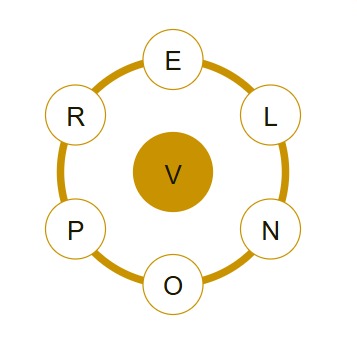
Before you can use hints well, it helps to know what you’re even looking at. The NYT Spelling Bee hands you seven letters every day, arranged in a honeycomb pattern with one letter sitting dead center. That center letter is non-negotiable — every valid word has to include it, no exceptions.
The other six letters around it are fair game, and you can reuse any letter as many times as a word calls for. A four-letter minimum applies to every answer, so short guesses under that length simply won’t register no matter how clever they seem. The letters reset daily at 3:00 AM Eastern, which means the puzzle you’re stuck on today will be gone tomorrow, replaced by a brand new set.
That daily reset is part of what keeps people coming back — there’s no carryover, no old letters haunting you, just a clean slate each morning. Once you know the shape of the puzzle, hints start making a lot more sense, because most hints are really just clues pointing back to that center letter and how the honeycomb is arranged.
Why Hints Work Better Than Guessing
Random guessing feels productive for about ten minutes and then it stalls out completely. Hints work differently because they narrow the search space instead of leaving you to brute-force every letter combination in your head. A good hint might tell you how many words start with a particular letter, or whether a tricky combination hides inside a longer word you haven’t tried yet.
That’s a completely different experience than staring at seven letters hoping something clicks. There’s also a psychological piece here that people underestimate. Getting stuck on a puzzle for too long makes most players quit early, especially once they’ve picked off the obvious words.
A hint at the right moment keeps the momentum going without just handing you the answer outright, which honestly matters if you actually want the satisfaction of solving it yourself. Think of hints as training wheels — useful when you need them, easy to ignore once you’ve got your footing.
Scoring and What Genius Actually Means
Points in the Spelling Bee aren’t handed out evenly, and that trips up a lot of newer players. Four-letter words are worth exactly one point, flat, no matter what the word is. Anything five letters or longer scores points equal to its length, so a seven-letter word is worth seven points on its own, before any bonuses come into play.
That length-based scoring is why chasing longer words is almost always worth the extra effort, even when they’re harder to spot. Then there’s the pangram, the single most valuable word in any given puzzle. It’s the word that uses all seven letters at least once, and finding it tacks on seven bonus points on top of whatever the word was already worth.
Landing the pangram early can be the difference between crawling toward Genius rank and getting there with room to spare. Ranks climb from Beginner up through Good, Great, Amazing, and eventually Genius, with Queen Bee sitting above all of that as the mark of finding every single valid word. Most people are thrilled just to hit Genius; Queen Bee is a different level of commitment entirely.
Reading Today’s Board the Right Way
Every puzzle has its own personality, shaped by which letters are in play and how common or rare certain combinations turn out to be. Some days lean heavily on prefixes and suffixes that repeat across several answers, which is a pattern worth watching for once you notice it.
Other days hide a handful of oddball words that don’t follow any obvious logic at all, and those are usually the ones separating a strong score from a Genius one. Today’s board centers on the letter O, with A, D, H, I, N, and T filling out the rest of the honeycomb. There are 42 total answers hiding in there, ranging from short four-letter words up through an eight-letter entry, and exactly one pangram worth chasing.
If you’re the type who wants to work through it letter by letter rather than jump straight to answers, try sorting words mentally by their first letter — it mirrors how the actual word list gets grouped and makes the pattern-spotting a lot easier.
Where to Find the Complete Word List
At some point, hints stop being enough and you just want to see everything laid out, whether that’s to check a word you weren’t sure about or to confirm you didn’t miss the pangram. That’s the entire reason a dedicated answers resource exists in the first place — to skip the guesswork once you’ve decided you’re done guessing.
Today Spelling Bee Answers keeps the full list updated daily, right alongside the pangram, the point totals, and a rundown of how the day’s scoring played out. If you’d rather not see the whole board at once, there are gentler options too, like checking just the pangram or working through a shorter hint list first. Either way, having a full answer key on hand as a backup takes the pressure off, especially on days when the letters just aren’t clicking no matter how long you stare at them.
Tips for Climbing the Rankings Faster
A few small habits make a real difference over time, even if none of them feel dramatic in the moment. Start by testing common prefixes like “un,” “re,” and “in” against the center letter, since a surprising number of daily answers build off those. Plurals are worth a second look too — if a four-letter word works, its plural often works right alongside it.
Compound words deserve some patience as well, since two shorter, familiar words often combine into something the puzzle accepts even when neither half looks obviously connected to the letters on their own. It’s also worth remembering that letter repetition is allowed, which trips up more players than you’d expect. A letter appearing twice in the honeycomb doesn’t need to appear twice in your word, but it can, and plenty of valid answers repeat a letter three or four times in a row.
Keep a running mental list of what you’ve already tried so you’re not retracing the same dead ends, and don’t be afraid to come back to the puzzle later in the day with fresh eyes. Sometimes the answer that wouldn’t come at breakfast shows up the second you stop trying so hard at lunch.
Frequently Asked Questions
What exactly counts as a pangram?
A pangram is any word that uses all seven letters from the day’s puzzle at least once. It earns the base score for its length plus a flat seven-point bonus. Most puzzles have a single pangram, though a rare few contain two.
Can I reuse letters in one word?
Yes. Any letter shown in the honeycomb can be used as many times as needed within a single word, as long as the center letter shows up at least once and the word is four letters or longer.
How is my score actually calculated?
Four-letter words score one point flat. Words five letters or longer score points equal to their length. Finding the pangram adds seven bonus points on top of its regular score, which usually gives your ranking a noticeable boost.
What’s the difference between Genius and Queen Bee?
Genius is a strong, respected milestone that most dedicated players reach without finding every word. Queen Bee means you found every single valid answer in that day’s puzzle, including every obscure or unusual word on the list.
Does the puzzle really reset every day?
Yes, at 3:00 AM Eastern. A completely new set of seven letters goes live, and the previous day’s puzzle shifts into the archive for anyone who wants to check it later.
Do I need a subscription to play?
Playing directly on the official NYT site requires a Games subscription. Checking hints, pangrams, or full answers through a dedicated answers page, on the other hand, is free.
Conclusion
The Spelling Bee rewards patience more than raw vocabulary, and once you understand how the scoring and letter rules actually work, the whole puzzle starts to feel less like guesswork and more like a game you can genuinely get better at.
Use hints when you’re stuck, chase that pangram early, and don’t be afraid to double-check your work against a full answer list when you want certainty instead of doubt. Come back tomorrow and the letters will be completely different, which is honestly half the fun of it.




Leave a Reply