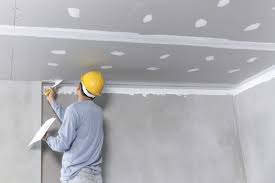
Drywall installation is one of the most important stages of any interior construction or remodeling project. Whether you are building a new home, renovating a basement, remodeling an office, or repairing damaged walls, properly installed drywall creates the smooth, durable surfaces that define modern interiors. In Nashville and throughout Tennessee, homeowners and businesses continue investing in quality drywall solutions to improve comfort, appearance, and property value.
Understanding the drywall installation process helps property owners make informed decisions while ensuring long-lasting results. This guide explains the complete process of drywall installation Nashville, TN projects, including preparation, installation, finishing, and maintenance tips for Tennessee properties.
Why Drywall Installation Matters
Drywall serves as the foundation for interior walls and ceilings. Proper installation affects:
- Structural appearance
- Paint quality
- Insulation performance
- Sound control
- Fire resistance
- Long-term durability
Poor drywall installation can lead to visible seams, cracking, uneven surfaces, and expensive repairs later.
Professional drywall installation Nashville, TN services help ensure clean finishes, strong wall systems, and reliable performance for residential and commercial properties alike.
Understanding the Drywall Installation Process
Drywall installation involves several important stages, each requiring attention to detail and precision.
Main Stages of Drywall Installation
The process typically includes:
- Planning and measurement
- Material selection
- Framing inspection
- Hanging drywall panels
- Securing panels properly
- Taping and mudding joints
- Sanding and finishing
- Priming and painting preparation
Each phase contributes to the final appearance and durability of the finished walls.
1: Planning the Project
Proper planning is critical before drywall installation begins.
Measure the Space Accurately
Contractors carefully measure:
- Wall dimensions
- Ceiling areas
- Window openings
- Door openings
- Corners and angles
Accurate measurements help reduce waste and improve installation efficiency.
Determine the Type of Drywall Needed
Different projects may require different drywall products.
Common drywall options include:
- Standard drywall
- Moisture-resistant drywall
- Mold-resistant drywall
- Fire-rated drywall
- Soundproof drywall
Experienced drywall installation Nashville, TN contractors help property owners choose the right materials based on room conditions and project goals.
2: Inspect the Framing
Before drywall panels are installed, the framing must be inspected carefully.
Check for Structural Alignment
Uneven framing can cause:
- Crooked walls
- Visible seams
- Installation difficulties
Contractors verify that studs and ceiling joists are straight and properly spaced.
Ensure Utilities Are Installed
Electrical wiring, plumbing, insulation, and HVAC systems should be completed before drywall installation begins.
This prevents unnecessary wall removal later.
3: Cutting Drywall Panels
Precise cutting ensures a smooth and efficient installation process.
Measure Carefully Before Cutting
Contractors measure openings for:
- Electrical outlets
- Windows
- Doors
- Light fixtures
- Vents
Accurate cuts reduce gaps and improve finish quality.
Use Proper Cutting Tools
Drywall cutting tools may include:
- Utility knives
- Drywall saws
- T-squares
- Rotary cutting tools
Professional tools improve accuracy and speed.
4: Hanging Drywall Panels
This is the main installation stage where drywall sheets are attached to the framing.
Install Ceiling Panels First
Most contractors begin with ceilings before moving to walls. This provides better structural support and cleaner seams.
Secure Panels Properly
Drywall sheets are attached using:
- Drywall screws
- Drywall nails
- Specialized fastening tools
Proper spacing and fastening techniques help prevent cracking and sagging later.
Minimize Visible Seams
Professional installers stagger joints whenever possible to improve strength and appearance.
Experienced drywall installation Nashville, TN contractors focus heavily on seam placement to create smoother final finishes.
5: Taping Drywall Joints
Once panels are installed, joints between sheets must be reinforced.
Apply Joint Tape
Drywall tape helps strengthen seams and reduce cracking.
Common tape options include:
- Paper tape
- Mesh tape
Cover Seams with Joint Compound
Joint compound, often called “mud,” is applied over seams and screw heads.
This process creates a smooth transition between drywall panels.
6: Applying Multiple Coats of Joint Compound
Drywall finishing requires several layers of compound.
First Coat
The initial coat covers:
- Seams
- Screw holes
- Corner beads
Second and Third Coats
Additional coats smooth the surface and blend joints seamlessly into surrounding drywall.
Each layer must dry completely before the next coat is applied.
Professional drywall finishing requires patience and precision for high-quality results.
7: Sanding the Surface
After the joint compound dries, sanding creates a smooth, paint-ready finish.
Use Proper Sanding Techniques
Careful sanding removes:
- Excess compound
- Rough edges
- Surface imperfections
Over-sanding can damage the finish, so experience is important.
Reduce Dust During Sanding
Drywall sanding produces significant dust. Contractors often use:
- Dust-control sanding systems
- Protective barriers
- Ventilation equipment
Proper dust management helps maintain cleaner indoor conditions.
8: Priming and Preparing for Paint
Before painting, drywall surfaces should be primed properly.
Why Primer Is Important
Primer helps:
- Seal drywall surfaces
- Improve paint adhesion
- Create consistent color appearance
Skipping primer may result in uneven paint finishes.
Final Inspection Before Painting
Professional contractors inspect walls for:
- Surface imperfections
- Visible seams
- Sanding marks
- Nail pops
Any issues are corrected before paint application begins.
Common Drywall Installation Challenges
Drywall projects can face several challenges if not handled properly.
Moisture Problems
Humidity and water exposure can damage drywall quickly.
Common moisture-related issues include:
- Mold growth
- Swelling
- Soft spots
- Staining
Moisture-resistant drywall is often recommended for bathrooms, basements, and laundry rooms.
Uneven Surfaces
Improper framing or poor installation may cause visible waves or bumps in finished walls.
Cracking and Nail Pops
Structural movement and incorrect fastening techniques can lead to cracking over time.
Professional drywall installation Nashville, TN services help reduce these issues through proper installation methods.
Benefits of Professional Drywall Installation
Hiring experienced drywall professionals provides several important advantages.
Better Finish Quality
Professional contractors achieve:
- Smooth surfaces
- Invisible seams
- Clean corners
- Consistent textures
Faster Completion Times
Experienced crews work efficiently while maintaining quality standards.
Proper Material Selection
Professionals understand which drywall products perform best in Tennessee’s climate conditions.
Reduced Future Repairs
Correct installation helps prevent:
- Cracks
- Moisture damage
- Sagging
- Joint separation
Drywall Installation for Residential Projects
Residential drywall services are commonly used for:
- New homes
- Basement finishing
- Kitchen remodels
- Bathroom renovations
- Room additions
Homeowners often prioritize appearance, durability, and sound control during these projects.
Basement Drywall Considerations
Basements require careful moisture management to prevent mold and water damage.
Moisture-resistant drywall products are often recommended for below-grade spaces.
Commercial Drywall Installation
Commercial properties often require more advanced drywall systems.
Office Buildings
Commercial drywall helps create:
- Professional interiors
- Noise reduction
- Flexible layouts
Retail and Hospitality Spaces
Hotels, restaurants, and retail stores rely on quality drywall finishes to create attractive customer environments.
Fire-Rated Drywall Systems
Commercial projects frequently require fire-rated drywall to meet safety codes and building regulations.
Experienced drywall installation Nashville, TN contractors understand local commercial construction requirements.
Why Tennessee Climate Impacts Drywall
Nashville’s climate can influence drywall performance over time.
Humidity Concerns
High humidity levels may contribute to:
- Mold growth
- Joint cracking
- Paint peeling
Proper ventilation and moisture control help protect drywall systems.
Seasonal Temperature Changes
Expansion and contraction from changing temperatures may cause small cracks or nail pops over time.
Routine inspections and maintenance help preserve wall quality.
Tips for Maintaining Drywall
Proper maintenance extends the lifespan of drywall surfaces.
Address Damage Quickly
Repair small holes and cracks before they become larger issues.
Prevent Moisture Exposure
Fix plumbing leaks and roof problems immediately to protect drywall from water damage.
Repaint When Needed
Fresh paint helps maintain appearance while protecting drywall surfaces from wear.
Conclusion
Drywall installation is a critical part of creating durable, attractive, and functional interior spaces. From proper planning and material selection to precise finishing and maintenance, every stage contributes to the long-term performance of walls and ceilings.
For homeowners and businesses seeking reliable drywall installation Nashville, TN services, working with experienced professionals helps ensure smooth finishes, strong structural performance, and lasting value. Whether you are building a new property or renovating an existing space, quality drywall installation plays a major role in transforming interiors throughout Tennessee.FAQs About Drywall Installation Nashville, TN
How long does drywall installation take?
Project timelines depend on the size and complexity of the space. Smaller rooms may take a few days, while larger projects can take a week or more.
What type of drywall is best for bathrooms?
Moisture-resistant drywall is commonly recommended for bathrooms and other high-humidity areas.
Why are multiple coats of joint compound necessary?
Multiple coats help create smooth, seamless surfaces while properly covering joints and fasteners.
Can drywall be installed during humid weather?
Yes, but proper ventilation and drying conditions are important to ensure quality finishing results.
Why hire professional drywall installation contractors in Nashville?
Professional contractors provide accurate installation, efficient project management, smoother finishes, and long-lasting results that improve property value and appearance.



Leave a Reply