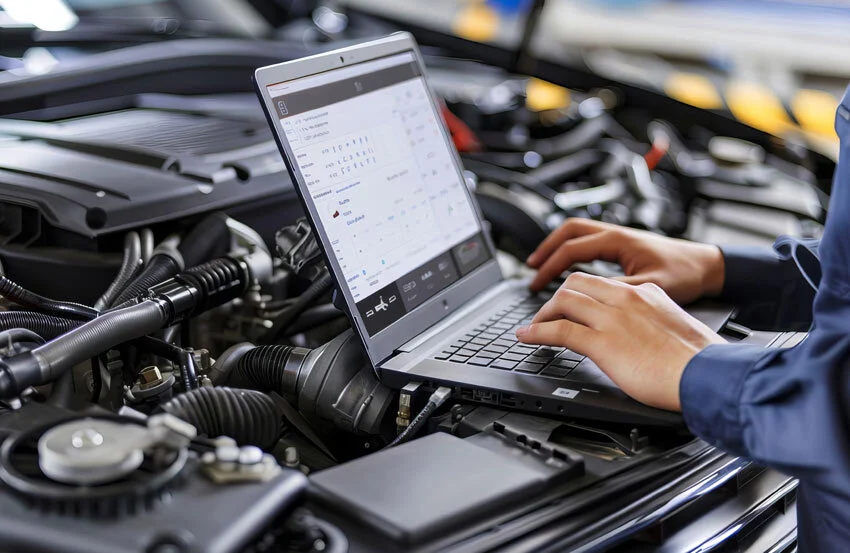
Vehicle maintenance in the UK has changed significantly over the last decade, driven by more complex electronics, tighter emissions standards, and increased reliance on diagnostic technology. For many drivers, understanding what happens during a service can feel unclear, especially when issues are not immediately visible.
In this context, s&m auto is often referenced in discussions around independent garages that focus on practical, inspection-led servicing approaches. While every workshop operates differently, the broader principles of modern vehicle care remain consistent: preventative maintenance, accurate diagnostics, and transparent repair processes. This article explores those principles and how they shape the experience of everyday drivers across the UK.
What UK drivers expect from modern vehicle servicing
Most UK motorists today expect more than just an oil change when they book a S&M Auto Service. Modern vehicles require structured inspections that cover electronics, braking systems, emissions controls, and onboard diagnostics.
A standard service is now less about routine mechanical work alone and more about understanding the vehicle as a connected system. For example, a small warning light on the dashboard may indicate anything from a minor sensor issue to a developing engine fault. This shift has made diagnostic accuracy a key expectation rather than an optional extra.
Drivers also increasingly expect clear communication. Instead of technical jargon, they want simple explanations of what is wrong, what is urgent, and what can wait. This change in expectation has influenced how garages document service reports and interact with customers, especially in independent workshops across towns and cities.
s&m auto and the importance of routine maintenance
Routine maintenance remains the foundation of vehicle reliability, regardless of make or model. s&m auto is a term often associated with independent servicing environments where preventative checks are prioritised over reactive repairs.
In practical terms, routine servicing includes oil and filter changes, brake inspections, tyre condition assessments, and fluid top-ups. However, modern servicing also extends to software updates, battery health checks in newer vehicles, and sensor calibration.
For example, a driver commuting daily on UK motorways may not notice gradual brake wear until stopping distances increase slightly. Regular inspections help identify such changes early, preventing more serious safety concerns later.
In workshops such as S&M Auto Service, technicians typically rely on a mix of visual inspection and diagnostic tools to identify early signs of wear. This combined approach is particularly important for vehicles with higher mileage or inconsistent service histories.
Routine maintenance is not just about preventing breakdowns. It also helps maintain fuel efficiency and ensures that vehicles continue to meet MOT standards without unexpected failures.
Common diagnostic approaches used in today’s workshops
Modern automotive diagnostics have evolved far beyond manual inspection alone. Most UK garages now rely heavily on onboard diagnostic (OBD) systems that communicate directly with a vehicle’s internal computer.
These systems generate fault codes when something is not functioning correctly. However, interpreting those codes correctly requires experience. A single fault code can sometimes point to multiple possible causes, which is why technicians often combine electronic data with physical inspection.
For instance, an engine misfire code might be triggered by faulty spark plugs, fuel delivery issues, or even a sensor malfunction. A skilled technician will test each possibility rather than replacing parts immediately.
Independent garages, sometimes referred to informally as s&m autos, often develop strong diagnostic processes because they work across a wide range of vehicle makes and models. This exposure helps them recognise recurring patterns and common faults more quickly.
Another important development is live data monitoring. Instead of just reading stored fault codes, technicians can observe real-time engine performance data, which helps identify intermittent issues that may not always trigger warning lights.
How service history impacts long-term vehicle value
A complete and well-documented service history remains one of the most important factors affecting a vehicle’s resale value in the UK.
Buyers and dealers often look for consistent servicing intervals as proof that a car has been maintained responsibly. Gaps in service history can raise concerns about hidden issues, even if the vehicle appears to be in good condition externally.
For example, two identical cars with similar mileage can have very different market values if one has full service records and the other has inconsistent documentation. The difference is often significant, especially for higher-end or newer models.
Regular servicing also reduces the likelihood of major mechanical failures. Components such as timing belts, clutches, and suspension systems typically show signs of wear over time. Without routine inspections, these issues may only become visible after significant damage has already occurred.
This is why many drivers across the UK now treat servicing as a long-term investment rather than a short-term expense. It supports reliability, safety, and financial value over the life of the vehicle.
Choosing a reliable auto service provider in the UK
Selecting a trustworthy garage can be challenging for drivers, especially in areas with multiple competing workshops. While pricing is often a factor, it is not always the best indicator of quality.
A reliable service provider typically demonstrates consistency in communication, clear diagnostic explanations, and transparent labour practices. They also tend to invest in up-to-date diagnostic equipment and ongoing technician training.
Many drivers rely on independent garages because they offer flexibility across different vehicle brands. Unlike manufacturer-specific dealerships, independents often handle a broader range of mechanical and electrical issues under one roof.
In this landscape, businesses like S&M Auto Service represent the type of local workshop that focuses on practical repair knowledge and everyday vehicle maintenance needs. Their role is less about branding and more about delivering consistent technical work for local drivers.
The role of independent garages in modern vehicle care
Independent garages continue to play a major role in the UK automotive sector. While dealerships remain important for warranty work and brand-specific servicing, independents often provide a more flexible and accessible alternative.
One of their strengths lies in adaptability. Independent technicians regularly work across different manufacturers, which gives them broader diagnostic experience. This can be especially useful for older vehicles or models no longer supported under dealership service plans.
Another key advantage is personalised service. Customers often deal directly with the technicians working on their vehicles, which helps build clearer communication and better understanding of repair decisions.
At the same time, independent garages face the challenge of keeping up with rapidly evolving vehicle technology, particularly electric and hybrid systems. This has led many workshops to invest in specialised training and advanced diagnostic tools.
Conclusion
Understanding how modern vehicle servicing works helps drivers make more informed decisions about maintenance, safety, and long-term costs. From diagnostics to routine inspections, the process is increasingly technical but still grounded in basic principles of preventative care.
The role of s&m auto within this broader context reflects the importance of independent garages that focus on practical, experience-driven servicing. Whether referred to as s&m autos in informal discussion or formally as S&M Auto Service, the underlying idea remains the same: consistent, well-executed maintenance is essential for keeping vehicles safe and reliable on UK roads.



Leave a Reply