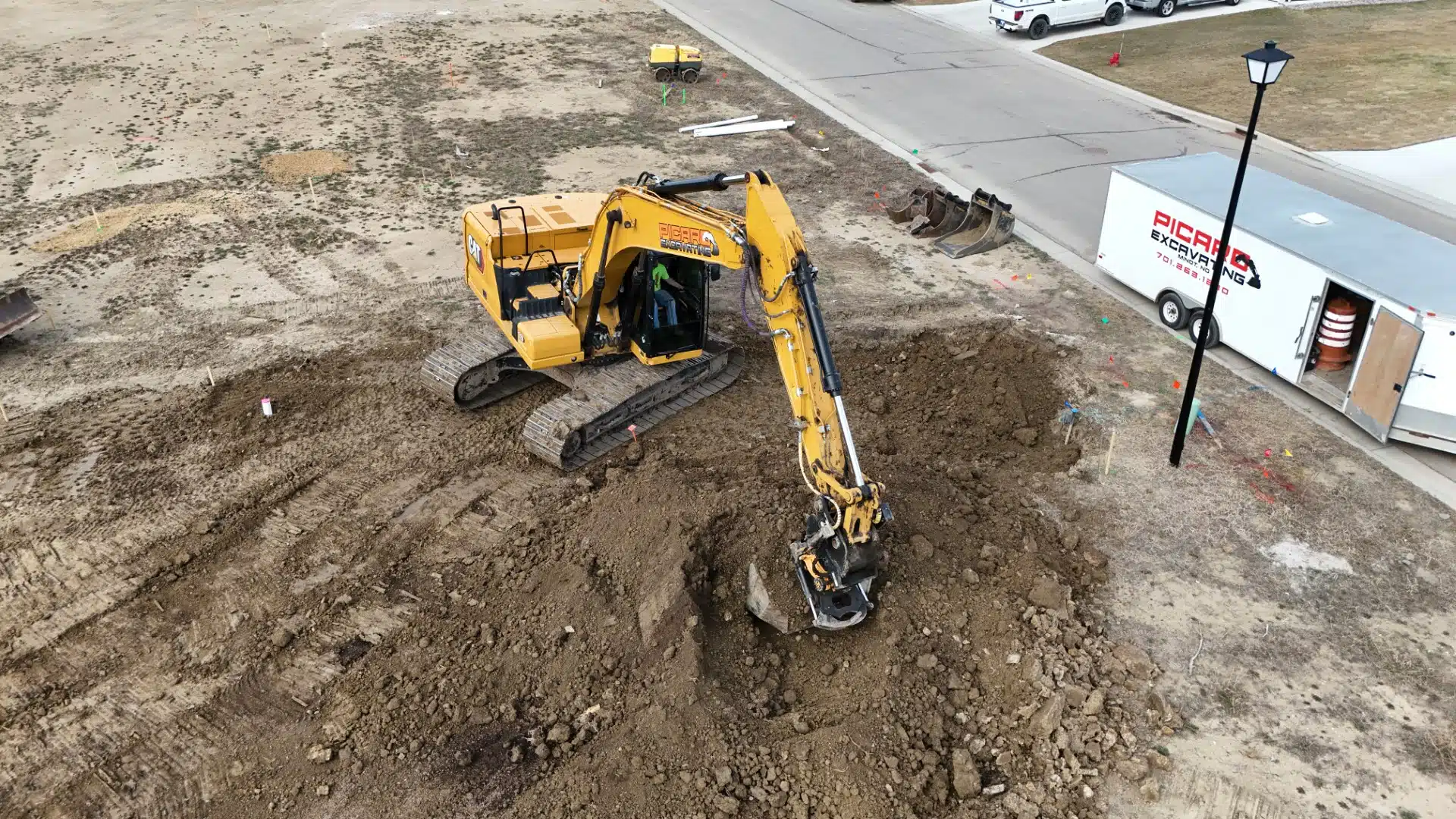
Choosing the right sitework contractors can make or break your construction project. In places like Minot, North Dakota, USA, where soil conditions, weather, and regulations all play a role, hiring a skilled contractor is essential for long-term success.
Sitework is the foundation of any build. If it’s done poorly, everything that follows can suffer—from structural issues to drainage problems. This guide will help you evaluate sitework contractors step by step so you can make a confident and informed decision.
What Do Sitework Contractors Do?
Before evaluating contractors, it’s important to understand their role.
Sitework contractors handle the early stages of construction, including:
- Land clearing
- Excavation
- Grading and leveling
- Soil compaction
- Utility installation
- Drainage systems
Their work ensures the site is stable, safe, and ready for building.
Why Choosing the Right Sitework Contractor Matters
Hiring the right contractor isn’t just about price—it’s about quality and reliability.
Protects Your Investment
Good sitework prevents costly repairs in the future.
Ensures Safety
Proper groundwork reduces risks for workers and occupants.
Keeps Your Project on Schedule
Experienced contractors complete tasks efficiently and avoid delays.
Meets Local Regulations
In Minot, contractors must follow local codes and environmental rules.
Key Factors to Evaluate Sitework Contractors
Knowing what to look for helps you avoid poor choices.
1. Experience and Expertise
Experience is one of the most important factors.
What to Look For
- Years in business
- Types of projects completed
- Experience with similar site conditions
In Minot, contractors should understand local soil types and weather challenges.
2. Licensing and Insurance
Always verify that the contractor is properly licensed and insured.
Why It Matters
- Protects you from liability
- Ensures legal compliance
- Demonstrates professionalism
Ask for proof of insurance and check that it’s up to date.
3. Equipment and Technology
Modern equipment improves efficiency and accuracy.
Key Considerations
- Availability of updated machinery
- Use of advanced grading and excavation tools
- Maintenance of equipment
Well-equipped sitework contractors can complete projects faster and with better results.
4. Reputation and Reviews
A contractor’s reputation speaks volumes.
How to Check
- Online reviews
- Client testimonials
- Past project references
Look for consistent positive feedback, especially for projects in Minot or nearby areas.
5. Project Portfolio
Reviewing past work helps you assess quality.
What to Look For
- Similar project types
- Before-and-after examples
- Scope and scale of projects
A strong portfolio shows capability and reliability.
6. Communication and Transparency
Clear communication is essential for smooth project execution.
Signs of Good Communication
- Quick response times
- Clear explanations
- Detailed proposals
Avoid contractors who are vague or slow to respond.
7. Pricing and Estimates
Cost is important, but it shouldn’t be the only factor.
Tips for Evaluating Quotes
- Compare multiple estimates
- Look for detailed breakdowns
- Avoid unusually low bids
Low prices may indicate poor quality or hidden costs.
8. Timeline and Availability
A reliable contractor should provide a realistic timeline.
What to Ask
- Start and completion dates
- Availability of crew and equipment
- Potential delays
Timely sitework keeps your entire project on track.
Questions to Ask Sitework Contractors
Asking the right questions helps you make better decisions.
Essential Questions
- How many similar projects have you completed?
- Are you familiar with local regulations in Minot?
- What challenges do you expect on this site?
- How do you handle unexpected issues?
- Can you provide references?
Their answers will give you insight into their experience and professionalism.
Red Flags to Watch Out For
Not all contractors deliver the same level of quality.
Lack of Proper Documentation
If a contractor cannot provide licenses or insurance, it’s a major warning sign.
Poor Communication
Delays in responses or unclear answers often lead to project issues.
Unrealistic Pricing
Extremely low bids may result in shortcuts or additional costs later.
Limited Experience
Contractors without relevant experience may struggle with complex site conditions.
Local Considerations in Minot, North Dakota
Evaluating sitework contractors in Minot requires attention to local factors.
Weather Conditions
Cold winters and freeze-thaw cycles can affect soil and construction timelines.
Soil Types
Different soil conditions may require specialized equipment and techniques.
Regulations and Permits
Contractors must comply with local codes and environmental requirements.
Benefits of Hiring the Right Sitework Contractor
Choosing the right professional offers long-term advantages.
Better Project Outcomes
High-quality sitework ensures a strong foundation for construction.
Reduced Maintenance Costs
Proper groundwork minimizes future repairs.
Improved Efficiency
Experienced contractors complete work faster and more accurately.
Peace of Mind
Knowing your project is in capable hands reduces stress.
Tips for Making the Final Decision
When narrowing down your options, keep these tips in mind:
- Compare at least three contractors
- Check references carefully
- Review contracts in detail
- Trust both data and your instincts
The goal is to find a contractor who offers both quality and reliability.
Conclusion
Evaluating sitework contractors is a crucial step in any construction project. By focusing on experience, reputation, equipment, and communication, you can choose a contractor who delivers strong and reliable results.
In Minot, North Dakota, where environmental and soil conditions can impact construction, selecting the right contractor becomes even more important. Taking the time to evaluate your options carefully will help ensure your project starts on the right foundation and stays on track from beginning to end.
FAQs About Sitework Contractors
1. What services do sitework contractors provide?
They handle land clearing, excavation, grading, soil preparation, utility installation, and drainage systems.
2. How do I verify a contractor’s credentials?
Ask for licenses, insurance documents, and references, and verify them with local authorities if needed.
3. How much do sitework contractors charge?
Costs vary depending on project size, complexity, and site conditions.
4. Why is experience important in sitework?
Experienced contractors can handle challenges, ensure quality work, and prevent costly mistakes.
5. How long does sitework usually take?
Timelines depend on the project scope, but most sitework projects take anywhere from a few days to several weeks.


Leave a Reply