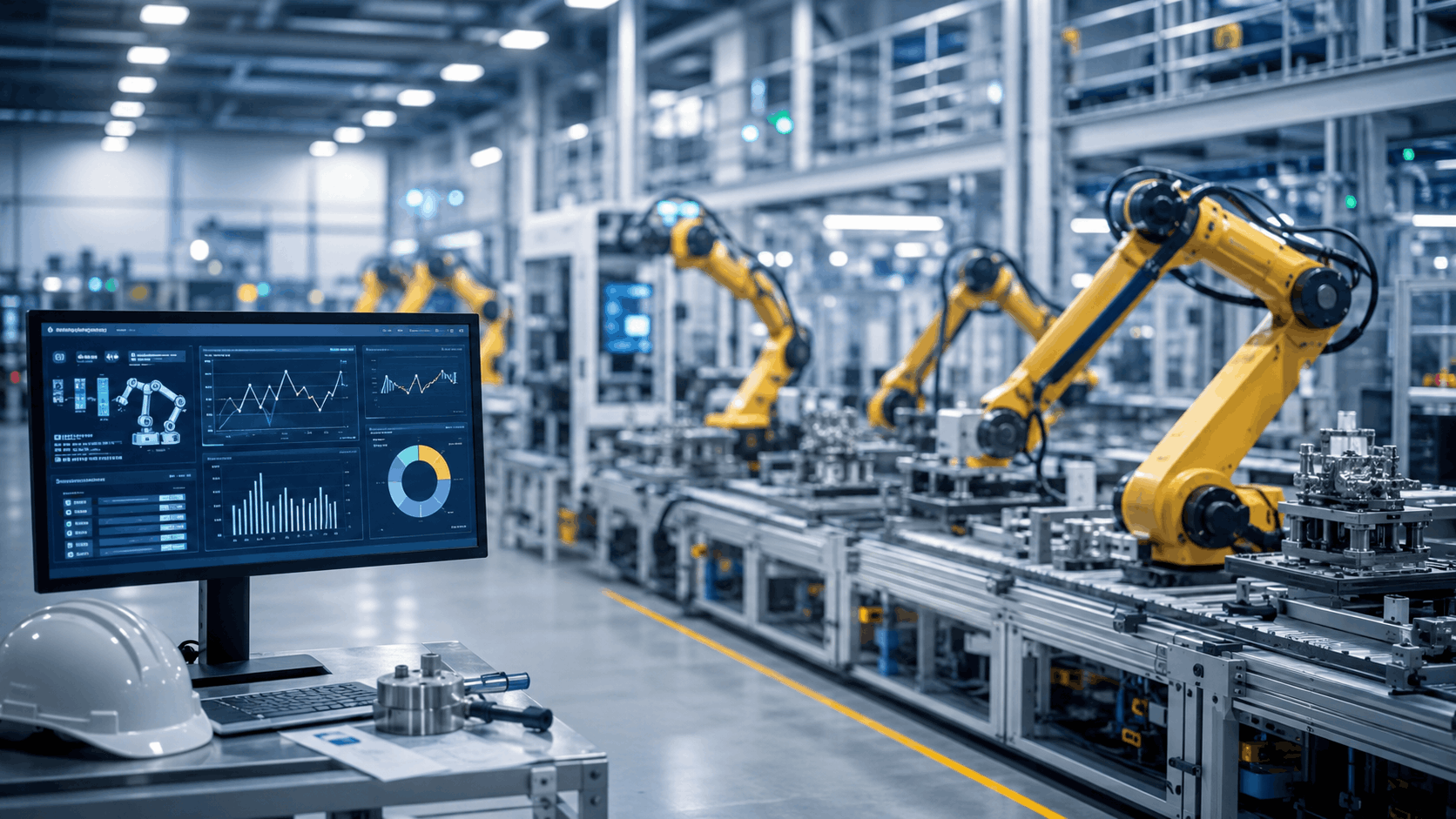
Manufacturing companies face constant pressure to do more with less. Rising material costs, tighter deadlines, and complex supply chains make old-school spreadsheets and disconnected systems impossible to manage. This is where Enterprise Resource Planning steps in. A well-planned ERP implementation gives manufacturers a single source of truth for every part of their business, from procurement to production to shipping.
In this article, we will explore how ERP technology is changing the manufacturing landscape. We will also look at the real benefits companies see after a successful ERP implementation, and share tips for getting it right.
What Is ERP in Manufacturing?
ERP stands for Enterprise Resource Planning. It is software that connects different business functions into one system. Instead of using separate tools for inventory, finance, and production scheduling, everything lives in one place.
For manufacturers, this means fewer errors and faster decisions. A production manager can see raw material levels instantly. A finance team can track costs in real time. Everyone works from the same data, which reduces confusion and delays.
An ERP implementation is not just about installing software. It involves mapping out workflows, training staff, and customizing the system to fit specific manufacturing needs. Done right, it becomes the backbone of daily operations.
Why Manufacturers Are Investing in ERP Implementation
The manufacturing sector has changed a lot in the last decade. Customers expect faster delivery. Supply chains stretch across multiple countries. Margins keep shrinking. These pressures push manufacturers to look for smarter ways to operate.
An ERP implementation addresses these challenges directly. It automates repetitive tasks, reduces manual data entry, and gives leadership clear visibility into performance. Companies that once relied on guesswork now make decisions based on live data.
There is also a competitive angle. Manufacturers using modern ERP systems can respond faster to market changes. They can adjust production schedules quickly when demand shifts. This agility often separates thriving companies from those struggling to keep up.
Key Benefits of ERP Technology in Manufacturing
Improved Production Planning
ERP systems give manufacturers a clear view of capacity, materials, and labor. This helps planners avoid bottlenecks before they happen. Production schedules become more realistic and easier to adjust.
Better Inventory Management
Stockouts and overstocking both hurt profits. With real-time inventory tracking, an ERP implementation helps companies order the right amount at the right time. This reduces waste and frees up cash tied to excess stock.
Streamlined Supply Chain Coordination
Modern ERP platforms connect with supplier systems. This makes it easier to track shipments, manage purchase orders, and spot delays early. Manufacturers gain more control over their entire supply chain.
Enhanced Quality Control
Many ERP systems include quality management modules. These track defects, monitor compliance, and flag issues before they become costly recalls. This is especially valuable in regulated industries like food and pharmaceuticals.
Accurate Financial Reporting
Finance teams benefit greatly from ERP implementation. Costs, revenues, and margins are tracked automatically. This reduces the time spent closing books and improves the accuracy of financial statements.
Data-Driven Decision Making
With dashboards and reporting tools, managers no longer rely on outdated reports. They can pull real-time data whenever they need it. This leads to faster, smarter business decisions across every department.
Common Challenges During ERP Implementation
Not every ERP project goes smoothly. Many manufacturers underestimate the time and effort needed for a full rollout. Understanding these challenges early can help avoid costly mistakes.
Resistance to change is one of the biggest hurdles. Employees used to old systems may push back against new processes. Clear communication and proper training can ease this transition.
Data migration is another common issue. Moving years of historical data into a new system takes careful planning. Errors during migration can create problems that take months to fix.
Customization overload is a trap many companies fall into. Trying to customize every feature can delay the project and increase costs. It is often better to adjust processes to fit the software, rather than the other way around.
Budget overruns happen when companies do not plan for hidden costs. Training, data cleanup, and ongoing support all add up. A realistic budget from the start prevents surprises later.
Best Practices for a Successful ERP Implementation
Start With Clear Goals
Before choosing software, define what success looks like. Are you trying to reduce inventory costs? Improve delivery times? Having clear goals helps guide every decision during the project.
Involve Employees Early
The people who will use the system every day should have a voice in the process. Their feedback helps identify practical needs that leadership might miss.
Choose the Right Implementation Partner
A good implementation partner understands manufacturing workflows. They can guide the rollout, troubleshoot issues, and train staff properly. This support often makes the difference between success and failure.
Test Before Going Live
Running the system in a test environment catches problems early. This reduces the risk of major disruptions once the ERP goes live across the company.
Plan for Ongoing Support
ERP implementation does not end at launch. Systems need regular updates, and staff need continued training. Planning for long-term support keeps the system running smoothly for years.
The Future of ERP in Manufacturing
ERP technology continues to evolve. Cloud-based systems are becoming the standard, offering more flexibility and lower upfront costs. Artificial intelligence is also being built into many platforms, helping predict maintenance needs and demand patterns.
Internet of Things devices now feed real-time data directly into ERP systems. This creates a more connected factory floor, where machines and software work together seamlessly.
Manufacturers who invest in a strong ERP implementation today are setting themselves up for long-term success. As technology advances, these systems will only become more powerful and essential.
Final Thoughts
ERP technology has become a critical tool for modern manufacturers. From production planning to financial reporting, it touches every part of the business. A thoughtful ERP implementation can reduce costs, improve efficiency, and give companies the visibility they need to compete.
While the process comes with challenges, careful planning and the right support make a big difference. Manufacturers that approach ERP implementation with clear goals and employee involvement tend to see the best results.
As the manufacturing industry keeps evolving, ERP systems will remain at the center of digital transformation. Companies that embrace this shift now will be better prepared for whatever comes next.


Leave a Reply