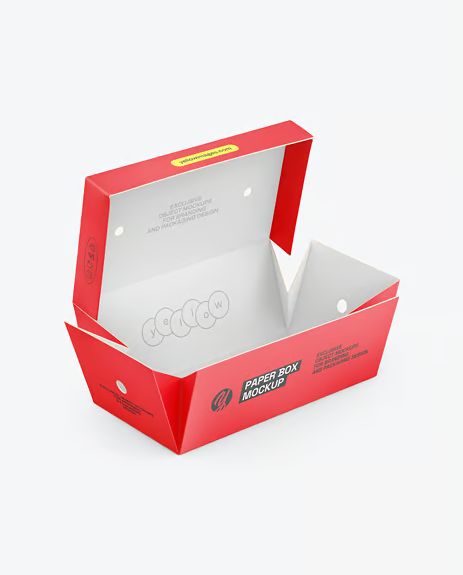
Food packaging has two jobs that need to work together. First, it needs to hold and protect the food during serving, takeaway, and delivery. Second, it needs to present the meal in a way that reflects the restaurant or food brand behind it.
Custom food boxes are packaging containers manufactured around the requirements of a particular food product or business. Their dimensions, materials, structure, printing, openings, and finishes can all be selected according to the intended application.
From burger restaurants and bakeries to meal-prep companies, cafés, food trucks, caterers, and delivery businesses, custom food boxes can replace generic containers with packaging that is designed around both food protection and brand presentation.
The most effective food packaging is not necessarily the most complicated. It is the package that fits the food properly, handles the expected conditions, supports convenient serving, and communicates the brand clearly.
Why Are Businesses Choosing Custom Food Packaging?
Generic food containers may be convenient, but they leave little room for differentiation. A custom box can turn the same basic meal into a more recognizable brand experience.
Businesses can use custom food packaging to:
- Display a logo and brand identity
- Create consistent presentation
- Protect food during transportation
- Improve portion organization
- Make takeaway orders easier to identify
- Support promotional campaigns
- Provide product information
- Create a recognizable unboxing experience
For restaurants that rely heavily on takeout and delivery, packaging can become one of the few physical brand interactions customers have outside the restaurant.
A Custom Printed Food Packaging can therefore work alongside menus, signage, cups, bags, deli paper, and other packaging to create a consistent visual identity.
The Right Food Box Starts With the Food
The first question when choosing custom food boxes should not be, “Which box looks best?” It should be, “What does the food need?”
Different foods create different packaging challenges.
A burger may require grease resistance and ventilation. A bakery product may need a window for visibility. A meal box may need compartments. Fried foods may need airflow to prevent excessive steam. A catering box may need a larger footprint and stronger construction.
Before selecting the box structure, consider:
- Food dimensions
- Food weight
- Temperature
- Moisture
- Grease content
- Sauce or liquid content
- Holding time
- Delivery distance
- Stacking requirements
- Serving method
These details determine the appropriate material and structure.
Popular Types of Custom Food Boxes
There is no single food box suitable for every menu. Different formats are designed for different products and service styles.
Custom Takeout Boxes
Takeout boxes are designed for meals leaving the restaurant. They can be customized with branding, dimensions, closures, and appropriate food-contact materials.
They are commonly used for:
- Rice meals
- Pasta
- Chicken dishes
- Noodles
- Side dishes
- Combo meals
Custom Burger Boxes
Burger boxes are generally compact and designed around the shape and height of a burger. The right construction can help keep the meal organized while providing space for branding.
For hot burgers, ventilation may also be important because trapped steam can affect buns and fried ingredients.
Custom Sandwich Boxes
Sandwich packaging can be designed for different sandwich shapes and sizes. Windows can be incorporated when product visibility is important.
Custom Bakery Boxes
Bakery packaging can include cake boxes, pastry boxes, cookie boxes, cupcake boxes, and other specialty structures.
Windows are particularly useful when the appearance of the product is part of the selling experience.
Custom Meal Boxes
Meal boxes can be designed around complete meals and combination products. Compartments or inserts can separate different food components when needed.
Custom Food Boxes With Windows
A window can give customers a direct view of the product without requiring them to open the package. This can be useful for bakery products, sandwiches, desserts, snacks, and prepared meals.
Choosing the Right Material for Food Boxes
Food packaging material needs to match the product and the conditions in which the package will be used.
Paperboard
Paperboard is commonly used for lightweight food cartons and printed food packaging. It can be converted into various folding structures and provides a good surface for branding.
Kraft Paperboard
Kraft offers a natural appearance and is popular with restaurants, cafés, bakeries, and brands that want an earthy packaging style.
Corrugated Board
Corrugated construction provides additional strength and can be useful for larger food products, catering, meal delivery, or applications requiring more structural support.
Specialty Food-Contact Materials
Certain foods may require materials with specific grease, moisture, heat, or barrier properties. The supplier should recommend a material based on the actual application.
The material should never be selected solely because it looks attractive. Food-contact suitability and performance come first.
Grease Resistance Matters More Than You Think
Oil and grease can quickly change how packaging performs. A box that works well for dry bakery products may not be suitable for fried chicken or a greasy burger.
Grease-resistant food packaging can help reduce:
- Oil transfer
- Staining
- Softening
- Structural weakening
- Unpleasant handling
For fried foods, burgers, pizza, sandwiches, and other oily products, businesses should confirm the grease-resistance specifications of the selected material.
The right barrier depends on the food, temperature, contact time, and expected conditions.
Ventilation Helps Hot Food Arrive in Better Condition
Heat and moisture can create another packaging problem. Hot food releases steam, and if that moisture becomes trapped inside a closed container, it can affect texture.
Fried foods may lose crispness. Bread products can become softer. Condensation can also make the inside of the package wet.
Depending on the food, ventilation features can help manage steam.
Ventilation can be useful for:
- French fries
- Fried chicken
- Burgers
- Fried seafood
- Pizza
- Hot sandwiches
However, ventilation should be designed according to the food. A package that needs to retain heat may have different requirements from one designed primarily to preserve crispness.
Custom Sizes Reduce Empty Space
A stock food box may be larger than necessary or may not provide enough room for the food. Custom dimensions allow the packaging to be built around the actual serving.
Accurate sizing can help:
- Reduce product movement
- Improve presentation
- Reduce unnecessary packaging material
- Make stacking easier
- Improve storage
- Create a more consistent portion presentation
The interior dimensions should account for the food itself as well as any paper liner, insert, divider, sauce cup, or protective component placed inside.
Printed Food Boxes Build Brand Recognition
Custom printing allows restaurants to use their food packaging as a communication surface.
A box can feature:
- Logo
- Brand colors
- Restaurant name
- Tagline
- Menu information
- QR code
- Website
- Social media details
- Promotional message
- Product information
A repeating logo pattern can create a distinctive appearance, while a minimal design can provide a more premium feel.
The artwork should also account for folds, tabs, closures, windows, and other structural elements so that important branding does not disappear when the box is assembled.
Custom Food Boxes With Windows
Product visibility can be valuable when the appearance of the food helps sell it.
A die-cut window can allow customers to see:
- Cupcakes
- Cookies
- Pastries
- Sandwiches
- Desserts
- Chocolates
- Snacks
- Prepared meals
A window should be positioned carefully so that it reveals the most appealing part of the product without compromising the package’s structural performance.
The window material and construction should also be appropriate for the intended food application.
Food Boxes for Takeout and Delivery
Takeout packaging has to perform differently from packaging used only for dine-in service.
A delivery package may experience:
- Handling
- Stacking
- Temperature changes
- Movement
- Moisture
- Grease
- Longer holding times
This makes box construction particularly important for restaurants offering delivery.
The package should keep the food organized while minimizing excessive movement. For certain meals, compartments or inserts may prevent sauces, sides, and main dishes from mixing during transportation.
Custom Food Boxes for Different Businesses
Restaurants
Restaurants can use branded boxes for takeaway meals, combo meals, appetizers, and specialty dishes.
Fast-Food Businesses
Burger, sandwich, fried chicken, fries, and snack boxes can be customized around individual menu items.
Bakeries
Bakeries can use custom boxes for cakes, pastries, cookies, cupcakes, and other baked goods.
Food Trucks
Compact branded packaging can help food trucks create consistent presentation while keeping storage practical in limited spaces.
Catering Companies
Catering boxes can be designed around larger portions, multiple food components, and easier transportation.
Meal-Prep Businesses
Meal boxes can incorporate compartments and stackable structures for prepared meals and subscription deliveries.
Cafés
Cafés can use custom packaging for pastries, sandwiches, desserts, breakfast items, and takeaway meals.
Sustainable Custom Food Boxes
Paper-based food packaging can provide businesses with alternatives to certain plastic-heavy packaging formats. Kraft, recycled paperboard, recyclable cardboard, and other paper-based materials are available for different applications.
However, sustainability depends on the complete package.
Businesses should consider:
- Recycled content
- Fiber source
- Coatings
- Laminations
- Adhesives
- Windows
- Printing
- Food contamination
- Local recycling requirements
A box should not automatically be marketed as recyclable or compostable without confirming the actual material construction and the requirements of the local waste system.
For food businesses, the best sustainable approach is often to use an appropriately sized package that provides the required performance without unnecessary material.
Custom Food Boxes Wholesale: What Affects Pricing?
Wholesale food box pricing depends on more than the number of boxes ordered.
Key factors include:
- Box dimensions
- Material
- Board thickness
- Structural design
- Printing coverage
- Number of colors
- Window cutouts
- Coatings
- Inserts
- Special finishes
- Order quantity
- Shipping
Larger quantities can often reduce the unit manufacturing cost, but businesses should balance wholesale savings against storage capacity and product demand.
When comparing suppliers, request quotes using identical specifications so the prices can be compared fairly.
How to Design Custom Food Boxes
A good food box design should combine functionality with visual simplicity.
Start With the Menu Item
Measure the actual food or serving container that will go inside the box.
Plan for Heat and Moisture
Determine whether ventilation, grease resistance, or moisture management is required.
Choose the Structure
Select the format that provides the right balance of access, protection, stacking, and presentation.
Add Branding
Place the logo, colors, and artwork where customers will see them.
Keep Important Information Clear
If the box includes ingredients, instructions, QR codes, or other information, ensure the text remains readable after assembly.
Test the Finished Box
A physical sample should be tested with the actual food before mass production.
Food Safety Should Come Before Appearance
Custom printing and attractive finishing are important, but food-contact safety should always take priority.
When ordering Custom printed papers, businesses should confirm that the materials and any coatings or treatments are suitable for the intended application.
Important questions include:
- Is the material intended for direct food contact?
- Is it suitable for hot food?
- Is it suitable for oily food?
- Does it handle moisture appropriately?
- Are coatings food-contact appropriate?
- Are the printing inks suitable for the intended construction?
- What compliance documentation is available?
The exact requirements can vary according to the food, material, temperature, and jurisdiction. Suppliers should provide documentation for the specific packaging being purchased.
How to Order Custom Food Boxes
1. Identify the Food
Define exactly what the box will contain and whether the food is hot, cold, greasy, moist, dry, or fragile.
2. Measure the Product
Record the length, width, height, and any additional space needed for liners or compartments.
3. Select the Material
Choose the appropriate paperboard, kraft, corrugated, or specialty food-contact material.
4. Choose the Structure
Decide between a tuck box, folding carton, clamshell-style structure, mailer, window box, tray, or another format.
5. Prepare Your Artwork
Provide the logo, brand colors, graphics, and required product information.
6. Request a Sample
Test the box with actual food before approving a large order.
7. Confirm the Production Details
Review quantity, dimensions, material, printing, finishing, and delivery requirements before production begins.
Final Thoughts
Custom food boxes can improve both the practical and visual side of food packaging. They protect meals, organize portions, support takeaway and delivery, and give restaurants another opportunity to communicate their brand.
The strongest food packaging begins with the product. Food type, temperature, moisture, grease, size, holding time, and transportation conditions should determine the material and structure before design details are finalized.
Once those requirements are established, businesses can customize the box with their preferred dimensions, printing, windows, inserts, and finishes.
Whether you operate a restaurant, bakery, café, food truck, catering company, or growing food brand, the right custom food box can turn an ordinary meal container into a practical part of the overall customer experience.
Frequently Asked Questions
What are custom food boxes?
Custom food boxes are packaging containers designed and manufactured around a specific food product or food business. They can be customized in size, structure, material, printing, and finishing.
What are custom food boxes used for?
They are used for takeout meals, burgers, sandwiches, bakery products, desserts, snacks, catering, meal preparation, and many other food-service applications.
Can custom food boxes be printed with a logo?
Yes. Businesses can print logos, brand colors, patterns, promotional messages, QR codes, and other artwork on suitable food packaging.
Are custom food boxes food-safe?
Food boxes should be manufactured from materials specifically suitable for their intended food-contact application. Always confirm the supplier’s food-contact specifications and compliance documentation.
Can custom food boxes hold hot food?
Some food boxes are designed for hot food, but performance depends on the material, coating, ventilation, food type, temperature, and holding time.
Are custom food boxes grease-resistant?
Certain food packaging materials are designed to resist grease. Businesses serving oily foods should select a material specifically tested or specified for the intended application.
Can food boxes have windows?
Yes. Custom food boxes can include die-cut windows when product visibility is important, particularly for bakery products, desserts, sandwiches, and snacks.
What materials are used for custom food boxes?
Common materials include paperboard, kraft paperboard, corrugated board, and specialty food-contact papers or boards. The best option depends on the product and intended use.
Can I order custom food boxes wholesale?
Yes. Wholesale orders are available for restaurants, bakeries, food manufacturers, caterers, food trucks, and other businesses that require larger quantities.
Are custom food boxes suitable for delivery?
Yes. Custom food boxes can be designed for takeaway and delivery, with construction selected according to handling, stacking, heat, moisture, grease, and transportation requirements.
How do I choose the right size for a food box?
Measure the food or serving container and allow enough space for the product, liner, compartments, or other internal components. Avoid excessive empty space while ensuring the food is not compressed.
Are kraft food boxes environmentally friendly?
Kraft and paper-based food boxes can incorporate recyclable or recycled materials, but environmental performance depends on coatings, laminations, food contamination, construction, and local recycling systems.
How much do custom food boxes cost?
Pricing depends on size, material, structure, printing, finishes, windows, inserts, order quantity, and shipping. A quote based on exact specifications provides the most accurate cost.
Should I test a sample before ordering food boxes in bulk?
Yes. Testing a physical sample with the actual food can help identify problems with fit, grease resistance, ventilation, strength, stacking, and overall presentation before mass production.


Leave a Reply