Interest in an ev charging stations franchise in india is growing as electric mobility expands across personal transport, commercial fleets and intercity travel. Yet a charging network cannot be built successfully through equipment installation alone. Operators need suitable sites, reliable electricity, compatible chargers, payment systems, maintenance and a clear understanding of local demand. A franchise model may provide a framework for launching a station, but prospective partners should review its commercial terms and technical responsibilities carefully. Chargezone can be considered as part of a market assessment, with current franchise availability, investment requirements and support commitments confirmed directly.
Why Site Selection Shapes the Business
Charging demand is highly location-specific. A highway site may attract drivers making longer journeys, while an office campus may serve vehicles parked during working hours. Residential areas, shopping destinations, hotels and fleet depots each create different usage patterns. Before selecting a property, assess traffic, EV ownership in the catchment, nearby chargers, parking access and the amenities available to drivers.
Understand Local Electricity Infrastructure
The electrical connection can influence both the cost and feasibility of a charging station. The site assessment should review sanctioned load, transformer capacity, cable routes, connection timelines and applicable charges. Higher-power DC equipment may require more substantial infrastructure than a small AC installation. Qualified electrical professionals should evaluate the site before equipment is ordered or construction begins.
Choose a Charger Mix for the Customer
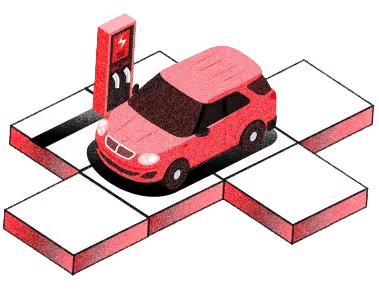
The charger mix should reflect how long vehicles are expected to stay and which models are likely to use the site. AC charging may suit longer dwell times, while DC fast charging may be more appropriate for high-turnover public locations. Compatibility, connector standards and the vehicle’s own charging limit should be considered. A charger’s maximum rating does not mean every vehicle will charge at that speed.
Review Franchise Costs and Responsibilities
A franchise proposal should identify the initial investment, recurring charges and revenue arrangements. Ask whether equipment, installation, civil work, power upgrades, software, branding, training and maintenance are included. Clarify who owns the chargers, who pays electricity bills, how customer payments are settled and who is responsible for service interruptions. A written cost schedule is essential for comparing opportunities.
Build Trust Through Availability and Support
Drivers value stations that are easy to locate and dependable when they arrive. Operators should keep station details updated, display tariffs clearly and provide a support channel for payment or equipment issues. Preventive maintenance and remote monitoring can help identify faults, but physical inspections remain necessary. Consistent service can support repeat use and positive customer feedback.
Plan for Regulation, Safety and Long-Term Operations
Requirements may differ by location and may change over time. Partners should confirm relevant electrical, local authority, property and safety requirements before opening. The site should have appropriate protection, earthing, emergency procedures, cable management and user instructions. The operating plan should also cover insurance, maintenance records, customer complaints and incident response.
Assess the Franchise Partner Carefully
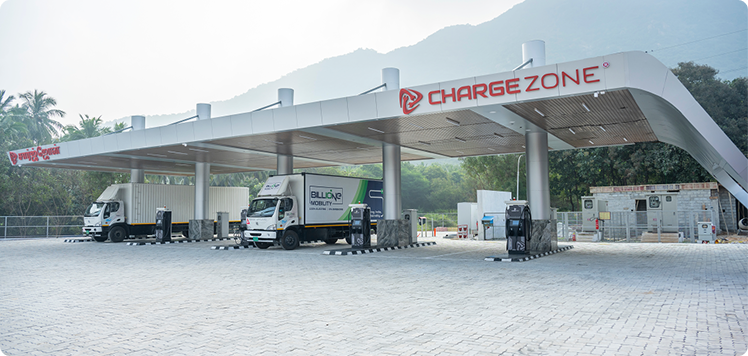
Review the franchisor’s experience, project references, technology, warranties and support capability. Ask existing partners about commissioning, uptime, payment settlement and maintenance response where references are available. Have the franchise agreement independently reviewed and verify any financial projections. Chargezone may be evaluated alongside other options, but all claims and current terms should be confirmed directly.
Plan for Service Continuity
A charging station should have a documented process for equipment faults, power interruptions and payment issues. Operators should know whom to contact, how users will be informed and what alternative charging options can be suggested. Preventive maintenance records and a clear escalation path can reduce confusion during an outage. The agreement with the technology or service provider should set out response expectations and clarify who bears responsibility for repairs and replacement components.
Review Performance Before Expanding
After launch, monitor charging sessions, energy delivered, uptime, revenue and customer feedback. Compare actual results with the assumptions used in the original business plan. If utilisation is lower than expected, investigate location visibility, access, pricing and the local customer base before adding more equipment. Expansion should be supported by evidence from the operating site and a fresh review of grid capacity, capital requirements and customer demand.
Create a Practical Launch Checklist
Before commissioning, confirm the site lease, electricity connection, equipment delivery, installation schedule, safety checks, payment testing and customer support contacts. The operator should also prepare clear instructions for drivers and train staff to respond to common questions. A soft launch can help identify access, signage or software issues before the station begins serving a larger volume of users. Documenting these checks creates a more controlled transition from construction to daily operation.
Conclusion
An ev charging stations franchise in india should be evaluated as a location-led infrastructure business, not as a simple equipment purchase. Demand, grid readiness, charger selection, customer experience and operating costs all affect its prospects. Prospective partners considering Chargezone should review the written franchise terms, confirm site feasibility and obtain independent advice before investing.


Leave a Reply