Introduction
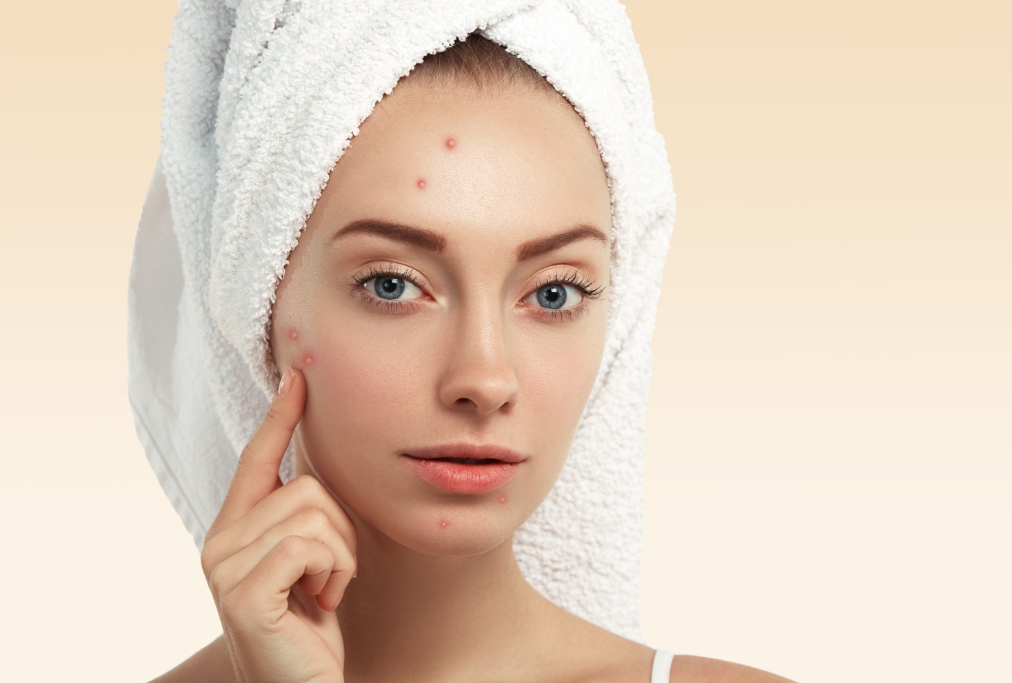
Acne is one of the most common skin concerns affecting people of different ages. It can develop during adolescence or continue into adulthood, appearing on the face, chest, shoulders, and back. Breakouts, clogged pores, excess oil, and uneven skin texture can affect the overall appearance of the complexion and make maintaining healthy-looking skin challenging.
Fortunately, modern aesthetic treatments and professional skincare approaches offer several ways to manage acne and improve skin appearance. From personalised skincare routines to advanced facial treatments, choosing the right approach can help address individual skin concerns and support a clearer complexion.
At SLA Medical Clinic, individuals can explore professional skincare options designed around their specific skin needs. Whether you experience occasional breakouts, persistent acne, or acne-related marks, understanding the available treatments can help you make informed decisions about your skincare journey.
What Is Acne?
Acne is a common skin condition that develops when hair follicles become clogged with oil, dead skin cells, and other impurities. The skin naturally produces sebum, an oily substance that helps maintain moisture. However, excessive sebum production and blocked pores can contribute to breakouts.
Acne can appear in different forms, including:
- Whiteheads: Small, closed bumps that develop when pores become blocked.
- Blackheads: Open clogged pores that appear dark because of the oxidation of their contents.
- Papules: Small, raised bumps that may appear red or inflamed.
- Pustules: Blemishes containing visible pus.
- Nodules: Larger, deeper bumps beneath the skin.
- Cystic Acne: Deeper acne lesions that can be associated with significant inflammation.
Understanding the type of acne you experience is important when selecting an appropriate treatment approach.
What Causes Acne?
Acne can develop due to several factors that influence oil production, pore health, and the skin’s natural processes.
Excess Sebum Production
Sebaceous glands produce oil to keep the skin moisturised. When these glands become overactive, excess oil can accumulate and contribute to blocked pores.
Hormonal Changes
Hormonal fluctuations can influence oil production and contribute to acne breakouts. This is particularly common during puberty, menstrual cycles, and certain stages of adulthood.
Bacterial Activity
The bacterium Cutibacterium acnes naturally lives on the skin. Changes in the follicular environment can encourage its activity and contribute to inflammation associated with acne.
Dead Skin Cell Accumulation
Dead skin cells are naturally shed from the skin’s surface. When they accumulate inside pores, they can mix with sebum and contribute to congestion and breakouts.
Lifestyle and Environmental Factors
Stress, environmental pollution, unsuitable skincare products, and certain lifestyle habits may influence acne in some individuals.
Genetic Factors
Family history can also play a role in determining an individual’s likelihood of developing acne and the way their skin responds to different treatments.
Why Consider Professional Acne Treatment in Manchester?
Although over-the-counter skincare products can help manage mild breakouts, some acne concerns require a more personalised approach. Professional treatments focus on understanding the underlying factors contributing to acne and selecting suitable options for individual skin conditions.
Choosing Acne Treatment In Manchester allows individuals to explore professional skincare solutions designed to improve their complexion and address different types of breakouts.
Some potential benefits of professional acne care include:
- Personalised assessment of skin condition and acne severity.
- Treatment options suited to individual skin types.
- Support for managing excess oil and clogged pores.
- Improved appearance of uneven skin texture.
- Professional guidance on suitable skincare products.
- Treatment planning for acne marks and post-acne discolouration.
A consultation can help determine which treatment approach is most appropriate for your skin concerns.
Different Professional Acne Treatment Options
Modern aesthetic skincare offers several approaches to managing acne. The most suitable option depends on the type of acne, skin sensitivity, and individual treatment goals.
Professional Acne Facials
Professional acne facials are designed to cleanse the skin, remove surface impurities, and improve the appearance of congested pores.
These treatments may include gentle cleansing, exfoliation, and skin-specific products. Some professional facials also incorporate carefully selected extraction techniques to address certain types of clogged pores.
An appropriate facial treatment can support a cleaner-looking complexion and complement an ongoing skincare routine.
Chemical Peels for Acne-Prone Skin
Chemical peels use selected exfoliating ingredients to encourage the removal of dead skin cells from the surface.
Ingredients such as salicylic acid and glycolic acid are commonly used in professional exfoliation treatments.
Salicylic acid is particularly useful for oily and acne-prone skin because it can penetrate oil-filled pores. Glycolic acid helps exfoliate the skin’s surface and improve the appearance of uneven texture.
Depending on the formulation and individual skin assessment, chemical peels may help:
- Improve the appearance of clogged pores.
- Reduce the appearance of surface congestion.
- Promote smoother-looking skin.
- Improve uneven skin texture.
- Address certain post-acne marks.
Laser Treatments for Acne
Certain laser and light-based technologies are used in professional skincare to target specific acne-related concerns.
Depending on the technology, treatments may focus on reducing the appearance of active acne, addressing redness, or improving the appearance of post-acne marks.
The choice of laser treatment depends on skin type, acne severity, and the specific concern being addressed.
Microneedling for Acne Scars
Microneedling is a professional skin treatment that uses fine needles to create controlled microchannels in the skin.
This process stimulates the skin’s natural repair response and supports collagen production. It is commonly considered for certain types of atrophic acne scars, including uneven skin texture and shallow depressions.
A professional assessment is necessary to determine whether microneedling is suitable, particularly when active acne is present.
Medical Skincare Products
Professional skincare products can help support acne management between clinic appointments.
Depending on individual requirements, a skincare routine may include:
- Salicylic acid cleansers for oily and congested skin.
- Benzoyl peroxide products for certain types of inflammatory acne.
- Retinoid-based products to support normal skin cell turnover.
- Lightweight moisturisers to maintain skin hydration.
- Non-comedogenic sunscreen for daily protection.
The right combination depends on your skin type, acne concerns, and professional recommendations.
Which Acne Treatment Is Suitable for Different Skin Types?
Different skin types may respond differently to acne treatments. Understanding your skin’s characteristics can help guide the selection of appropriate products and procedures.
Acne Treatment for Oily Skin
Oily skin produces more sebum, which can contribute to clogged pores and frequent breakouts.
Suitable skincare approaches may include gentle cleansing, salicylic acid products, and lightweight moisturisers. Professional exfoliation may also be considered following a skin assessment.
Acne Treatment for Dry Skin
Dry skin can still experience acne. In these cases, maintaining moisture while choosing suitable acne-focused products is important.
Gentle cleansers, hydrating moisturisers, and carefully selected active ingredients may help support the skin without unnecessarily compromising its moisture balance.
Acne Treatment for Combination Skin
Combination skin usually features an oily T-zone and comparatively drier areas around the cheeks.
A balanced skincare routine can address excess oil without leaving other areas feeling dry. Treatment recommendations may vary depending on the location and type of breakouts.
Acne Treatment for Sensitive Skin
Sensitive skin requires particular attention when selecting exfoliating ingredients and professional procedures.
Gentle skincare formulations and individually adjusted treatment plans can help support skin comfort while addressing acne concerns.
How Does a Professional Acne Treatment Work?
The process generally begins with a consultation and continues through treatment selection and personalised skincare guidance.
Initial Skin Consultation
The practitioner evaluates your skin condition, identifies visible acne concerns, and discusses your skincare history and treatment expectations.
This assessment helps determine whether your primary concern involves active breakouts, clogged pores, acne marks, or uneven texture.
Personalised Treatment Selection
Based on the consultation, an appropriate treatment approach is recommended. This may involve professional facials, chemical peels, laser-based procedures, or suitable skincare products.
Professional Treatment Session
The selected treatment is performed according to the recommended protocol. Each procedure has its own process, duration, and aftercare requirements.
Aftercare and Skincare Guidance
Following treatment, professional aftercare advice helps you maintain a consistent skincare routine. Your practitioner may recommend suitable cleansers, moisturisers, and sun protection products.
Follow-Up Appointments
Some acne concerns require ongoing care rather than a single treatment session. Follow-up appointments allow progress to be assessed and the treatment plan adjusted when necessary.
How to Treat Acne Scars and Dark Spots
Acne can sometimes leave behind marks or changes in skin texture after individual breakouts have healed. These concerns may include post-inflammatory hyperpigmentation, redness, and depressed acne scars.
Different treatment options address different types of acne-related marks.
Treating Post-Acne Dark Spots
Dark spots can develop when inflammation triggers increased melanin production. These marks are known as post-inflammatory hyperpigmentation.
Skincare ingredients such as azelaic acid, niacinamide, and selected retinoids may help improve the appearance of uneven pigmentation.
Professional chemical peels may also be considered depending on skin type and pigmentation concerns.
Improving Uneven Skin Texture
Acne-related texture changes may be addressed through treatments such as microneedling and selected resurfacing procedures.
These approaches aim to support collagen production and improve the appearance of certain types of acne scars.
Managing Post-Acne Redness
Some individuals experience persistent red or pink marks after breakouts have healed. Selected skincare approaches and professional light-based treatments may help improve their appearance.
A professional assessment is important because pigmentation, redness, and textural scarring require different treatment strategies.
How Much Does Acne Treatment Cost in Manchester?
The price of professional acne care varies depending on the treatment selected, the severity of the skin concern, and the number of sessions required.
When researching Acne Treatment Cost In Manchester, it is useful to understand the factors that may influence the overall investment.
These include:
- Type of acne treatment selected.
- Size of the treatment area.
- Severity and type of acne.
- Number of recommended treatment sessions.
- Skincare products required for ongoing care.
- Whether additional treatments are needed for acne scars or pigmentation.
For example, a professional acne facial may have a different price structure from a course of chemical peels or laser-based treatments.
At SLA Medical Clinic, individuals can discuss their skin concerns and treatment goals during a consultation to understand the available options and associated costs.
How to Choose the Best Acne Treatment in Manchester
Finding an appropriate treatment provider is an important step towards developing an effective skincare plan.
When researching the Best Acne Treatment In Manchester, consider the following factors.
Professional Experience
Choose a clinic with appropriately qualified practitioners who understand different acne types, skin conditions, and professional treatment techniques.
Personalised Skin Assessment
A suitable treatment provider should evaluate your skin before recommending procedures or products. Treatments should reflect your individual skin condition rather than follow a standard approach.
Range of Treatment Options
Look for a clinic that can discuss different approaches to acne management, including professional facials, exfoliation treatments, and suitable options for acne-related marks.
Transparent Pricing
Clear information about treatment costs, recommended sessions, and available options helps you make informed decisions.
Ongoing Skincare Guidance
Acne management often involves more than professional appointments. Guidance on daily skincare and maintenance can help support your complexion over time.
Why Consider SLA Medical Clinic for Acne Treatment in Manchester?
Selecting a professional skincare provider can help you better understand your acne concerns and available treatment options.
SLA Medical Clinic offers individuals an opportunity to explore aesthetic and skincare treatments according to their personal goals.
A personalised approach is important because acne can present differently from one person to another. Some individuals primarily experience clogged pores and excess oil, while others are more concerned about persistent breakouts, dark spots, or uneven skin texture.
Discussing these concerns during a professional consultation can help establish an appropriate treatment plan.
At SLA Medical Clinic, individuals can discuss their skin goals, explore suitable treatment options, and receive information about the recommended approach and associated costs.
Daily Skincare Tips to Support Clearer Skin
Professional treatments can complement a consistent skincare routine. Developing healthy daily habits may help maintain skin cleanliness, hydration, and overall appearance.
Cleanse Your Skin Gently
Wash your face with a gentle cleanser suitable for your skin type. Avoid excessive washing, as this can disrupt the skin’s natural moisture balance.
Use Non-Comedogenic Products
Choose skincare and cosmetic products labelled non-comedogenic. These products are formulated to reduce the likelihood of contributing to blocked pores.
Moisturise Regularly
Even oily and acne-prone skin needs hydration. A lightweight moisturiser can help maintain the skin’s moisture balance.
Apply Sunscreen Daily
Use broad-spectrum sunscreen with SPF 30 or higher. Sun protection is particularly important when using exfoliating ingredients or treatments that can increase sun sensitivity.
Avoid Picking or Squeezing Breakouts
Picking acne lesions can increase inflammation and contribute to post-acne marks and scarring. Allow the skin to heal naturally and follow suitable skincare guidance.
Maintain a Consistent Routine
Changing skincare products too frequently can make it difficult to understand what works for your skin. A consistent routine, adjusted when necessary, can help support long-term skin management.
Frequently Asked Questions About Acne Treatment in Manchester
What is the most effective treatment for acne?
The most suitable treatment depends on the type and severity of acne. Options may include topical skincare products, professional chemical peels, acne facials, prescription treatments, or selected laser procedures. A professional assessment can help identify the appropriate approach.
How many acne treatment sessions are needed?
The number of sessions depends on the treatment selected and individual skin concerns. Some treatments may provide visible improvements after one appointment, while others are commonly performed as a course of sessions.
Can professional acne treatments help with acne scars?
Yes. Certain procedures, including microneedling and selected resurfacing treatments, may improve the appearance of specific acne scars. The appropriate option depends on scar type and skin condition.
Is acne treatment suitable for adult skin?
Yes. Acne can affect adults as well as teenagers. Professional treatment options can be selected according to age, skin type, and the underlying factors contributing to breakouts.
Can acne treatments help with dark spots?
Certain skincare ingredients and professional procedures can help improve post-acne pigmentation. Treatment selection depends on the type of marks, skin tone, and individual skin sensitivity.
How long does it take to see improvements?
Results vary depending on the treatment and severity of acne. Some individuals may notice improvements within several weeks, while more persistent acne concerns may require a longer treatment plan.
How much does acne treatment cost in Manchester?
The price depends on the procedure, treatment area, and number of sessions required. A consultation with SLA Medical Clinic can help you understand the available options and their associated costs.
Conclusion
Acne can affect skin texture, complexion, and overall confidence, but professional skincare options offer different ways to manage breakouts and improve the appearance of the skin. From acne facials and chemical peels to microneedling and specialised skincare products, the right treatment depends on individual skin concerns and treatment goals.
For those exploring Acne Treatment in Manchester, understanding the available procedures, pricing, and professional skincare approaches is an important first step towards clearer-looking skin.
SLA Medical Clinic provides an opportunity to discuss personalised skincare options and explore treatments suited to your needs. With professional guidance, appropriate treatment choices, and a consistent daily skincare routine, you can work towards a healthier-looking and more balanced complexion.


Leave a Reply