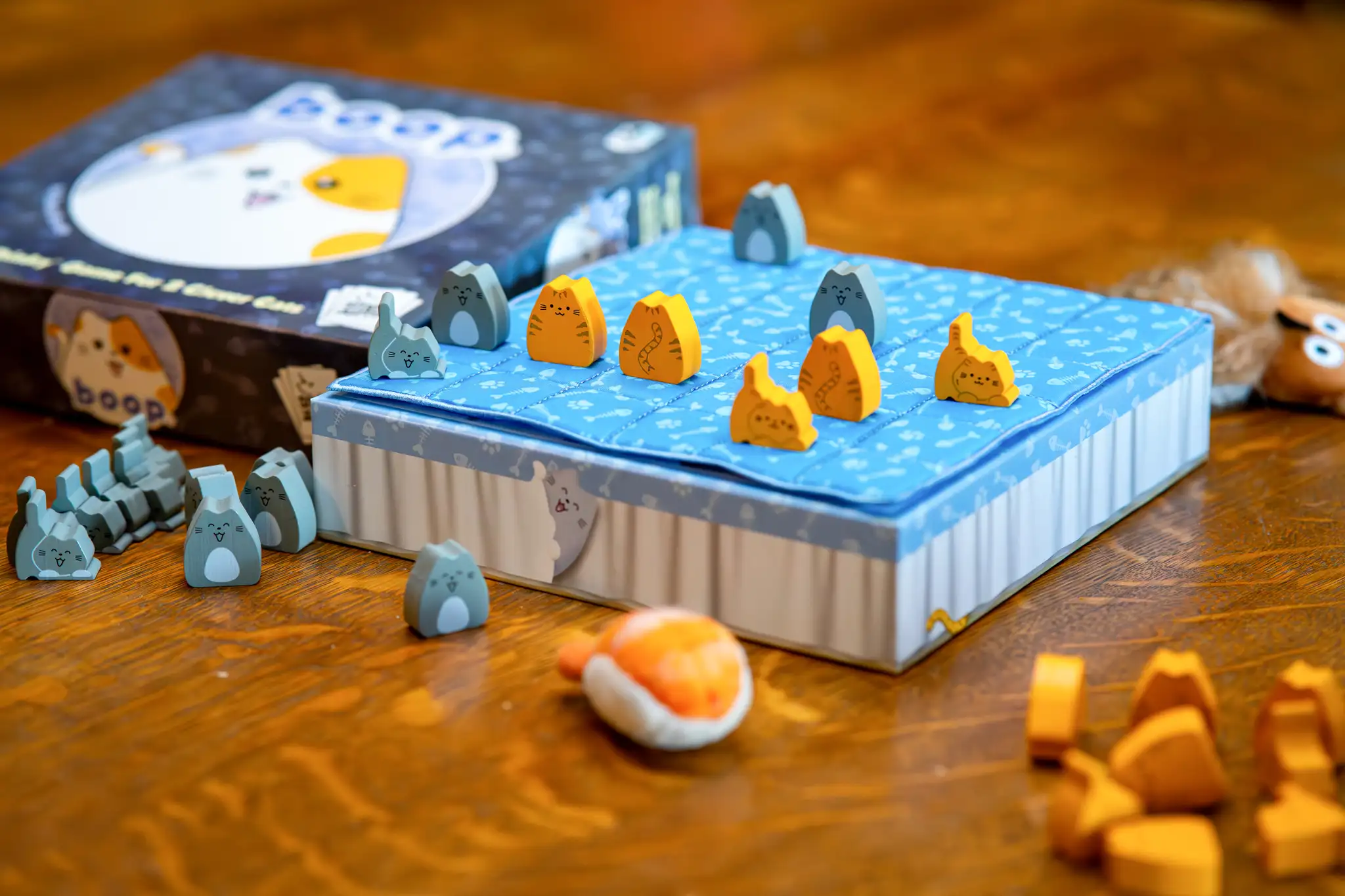
Choosing suitable games for children can make playtime more enjoyable while supporting learning, creativity, and social development. Board games offer an excellent way to introduce essential skills such as problem-solving, communication, memory, patience, and teamwork. However, the best choice depends on a child’s age, interests, and development level. Younger children often benefit from colourful games with simple rules, while older children may enjoy strategic challenges, word games, and competitive activities. Understanding the differences between age groups makes it easier to select games that provide the right balance of entertainment and educational value.
Why Are Board Games Important for Children’s Development?
Games provide more than simple entertainment. Playing regularly helps children develop cognitive, emotional, and social abilities through enjoyable activities. Different game formats encourage different skills, making board games useful for both family playtime and independent learning.
Some important developmental benefits include:
- Problem-solving: Children learn to understand situations, consider options, and make decisions.
- Memory improvement: Matching games and activities involving sequences strengthen memory and concentration.
- Communication skills: Group activities encourage clear conversations, listening, and expressing ideas.
- Patience: Waiting for turns helps children understand rules and develop self-control.
- Teamwork: Cooperative games teach children how to share responsibilities and work towards common goals.
- Confidence: Completing challenges and learning new rules can build confidence and independence.
Selecting games according to age ensures that the difficulty level remains suitable and the experience stays enjoyable.
Best Board Games for Toddlers (Ages 2–3)
Toddlers are beginning to recognise colours, shapes, numbers, and familiar objects. At this stage, simple activities with large pieces, bright illustrations, and easy instructions are the most suitable choices. Games should focus on recognition, matching, and basic interaction rather than competition or complicated rules.
Recommended options include:
- Colour and Shape Matching: Helps toddlers identify different colours, patterns, and geometric shapes.
- Simple Memory Games: Introduces basic matching activities using familiar pictures and objects.
- Animal Matching Games: Supports animal recognition and vocabulary development.
- First Counting Games: Introduces numbers through simple counting activities.
Safety is particularly important for this age group. Large, durable pieces without small detachable parts are preferable because toddlers may put objects in their mouths. Adult supervision is also essential during playtime.
Best Board Games for Preschoolers (Ages 4–5)
Preschool children develop stronger communication, counting, memory, and coordination skills. Games with simple instructions and short playing times are ideal because attention spans are still developing. Activities involving colours, numbers, storytelling, and basic challenges can make learning more interactive.
Popular choices include:
- Candy Land: Introduces colour recognition, turn-taking, and following simple rules.
- Snakes and Ladders: Helps children practise counting, number recognition, and patience.
- Picture Bingo: Encourages observation, listening, and matching skills.
- Matching Pairs: Develops concentration and visual memory.
- Simple Cooperative Games: Teaches children how to complete shared challenges without focusing entirely on winning.
At this age, positive encouragement is important. Children are still learning how to manage excitement and disappointment, so games should create opportunities for enjoyable experiences rather than unnecessary pressure.
Best Board Games for Children Ages 6–8
Children between six and eight years old generally understand more detailed instructions and can participate in games involving basic strategies. This age group is ready for activities that combine learning with competition, creative thinking, and decision-making.
Some suitable options include:
- UNO: Supports colour and number recognition while introducing simple strategy and quick decision-making.
- Guess Who?: Develops logical thinking through questions and observation.
- Connect 4: Encourages planning, pattern recognition, and problem-solving.
- Jenga: Improves hand-eye coordination, concentration, and careful decision-making.
- Dominoes: Introduces number matching, pattern recognition, and strategic thinking.
These activities can also support mathematics and language development. For example, counting game pieces, reading instructions, and explaining different moves provide opportunities to practise important classroom skills in a relaxed environment.
Best Board Games for Children Ages 9–12
Older children can manage more complicated rules, longer playing sessions, and games that require planning several moves ahead. Strategy, teamwork, creativity, and critical thinking become increasingly important during this stage.
Recommended board games include:
- Chess: Develops strategic planning, patience, concentration, and logical reasoning.
- Scrabble: Improves spelling, vocabulary, and word formation.
- Clue: Encourages deduction, observation, and logical problem-solving.
- Ticket to Ride: Introduces planning, resource management, and geographical awareness.
- Catan Junior: Offers an age-adapted introduction to resource management and strategic decisions.
These games provide opportunities to develop independent thinking. Multiplayer activities also encourage respectful competition, good sportsmanship, and cooperation. Checking the manufacturer’s recommended age range helps ensure that the rules and playing time remain appropriate.
Best Board Games for Teenagers (Ages 13–16)
Teenagers often prefer games with deeper strategies, challenging decisions, creative elements, and opportunities for social interaction. More advanced board games can provide engaging experiences while strengthening analytical thinking and communication.
Suitable options include:
- Catan: Encourages negotiation, resource management, planning, and strategic decisions.
- Pandemic: Focuses on cooperation, shared problem-solving, and teamwork.
- Codenames: Develops communication, vocabulary, and creative associations.
- Risk: Introduces long-term planning, strategic thinking, and decision-making.
- Carcassonne: Encourages spatial reasoning, planning, and tactical thinking.
Games designed for teenagers can also provide a healthy break from digital entertainment. Group activities encourage face-to-face interaction and create opportunities for meaningful conversations among friends and family members.
How to Choose the Right Board Games for Different Ages
Age recommendations provide a useful starting point, but other factors also influence whether a game is suitable. Children have different interests, learning abilities, and preferences, so selecting an appropriate activity requires attention to more than the age printed on the packaging.
Consider the following factors before purchasing:
- Age suitability: Check the recommended age range and complexity of the instructions.
- Playing time: Younger children generally benefit from shorter games, while older children can enjoy longer sessions.
- Number of players: Choose games that match the number of children participating in the activity.
- Educational value: Consider activities that encourage mathematics, language, memory, creativity, or logical reasoning.
- Interests: Animals, adventure, puzzles, sports, and storytelling can make games more appealing.
- Safety and durability: Look for non-toxic materials, sturdy components, and age-appropriate pieces.
- Replay value: Games with different challenges or strategies can remain interesting over repeated sessions.
A well-chosen game should provide an enjoyable challenge without creating unnecessary frustration.
Educational Board Games vs. Entertainment-Based Games
Educational and entertainment-based games both have valuable roles in childhood development. Educational games are designed to support specific learning outcomes, such as counting, spelling, memory, and problem-solving. These activities can reinforce classroom concepts through practical experiences.
Entertainment-based games focus more on enjoyment, imagination, competition, and social interaction. However, many games combine both purposes. For example, Scrabble supports vocabulary development while remaining entertaining, and Snakes and Ladders introduces counting through a simple competitive format.
A balanced selection of both types can provide variety during family activities. Combining learning-focused challenges with recreational games also prevents playtime from feeling too much like a classroom lesson.
Tips for Making Board Game Time More Enjoyable
Creating a positive playing environment helps children develop a lasting interest in traditional games. A comfortable setting, suitable difficulty level, and supportive participation can make each session more rewarding.
Helpful tips include:
- Start with simple rules before introducing advanced variations.
- Allow children to explore different strategies independently.
- Encourage participation rather than focusing only on winning.
- Select games that match the group’s interests and abilities.
- Introduce new games gradually to avoid overwhelming younger players.
- Keep playing sessions appropriate to children’s attention spans.
- Rotate games regularly to maintain interest and introduce new challenges.
Family participation can also make game time more meaningful. Parents and older siblings can explain instructions, demonstrate strategies, and encourage positive behaviour throughout the activity.
Discover Age-Appropriate Games at Bachaa Party
Finding suitable activities becomes easier when a children’s shopping destination offers a variety of age-appropriate entertainment options. Bachaa Party provides access to children’s products and playtime essentials, making it a useful destination for exploring different options for growing children. A suitable selection of toys and games can support creativity, learning, family interaction, and enjoyable indoor activities. When choosing board games, considering age recommendations, safety, interests, and educational benefits helps make better decisions. Bachaa Party offers a convenient place to explore children’s products and find engaging options that bring more fun and meaningful experiences to everyday playtime.


Leave a Reply