Introduction
Buying a hoodie used to be simple. Grab something warm, throw it on, done. But men’s streetwear hoodies have turned into something else entirely over the past decade — a statement piece, a canvas for artwork, a way to say who you are without opening your mouth.
If you’ve been scrolling through options and feeling overwhelmed by the sheer variety out there, you’re not alone. This guide walks through what actually matters when picking one out, from fit to fabric to the little design details that separate a forgettable hoodie from one you’ll wear for years.
What Makes Streetwear Hoodies Different From Regular Hoodies
Not every hoodie earns the “streetwear” label, and honestly, that distinction gets thrown around loosely by a lot of sellers. A real streetwear piece usually traces its roots back to skate culture, hip-hop, and graffiti art from the 80s and 90s — think brands that started small and grew because the designs actually meant something.
The difference shows up in details: bolder graphics, oversized or relaxed cuts, heavier fabric weights, and prints that wrap around the whole garment instead of sitting flat on the chest. Regular hoodies are built for function first. Streetwear pieces are built to be noticed.
You’ll see all-over prints, unusual color combinations like pigment-dyed washes, and collaborations with independent artists that give each drop a limited feel. That’s part of why platforms like Highsnobiety and Hypebeast track streetwear culture the way sports outlets track scores — new releases actually move the conversation.
Fabric and Fit: The Stuff That Actually Matters
Here’s where a lot of buyers get it wrong — they judge a hoodie by the graphic alone and skip past the fabric tag. Big mistake. A heavyweight cotton fleece, something in the 350-450 GSM range, holds its shape wash after wash and drapes better on the body. Cheaper blends pill fast and lose that clean silhouette within a few wears, no matter how good the design looked online.
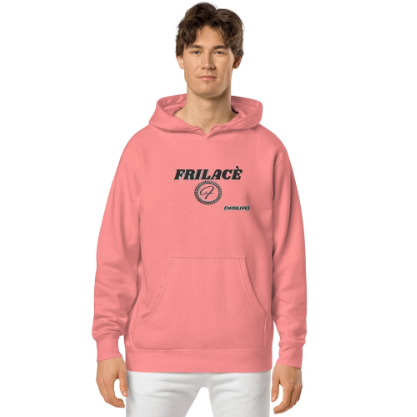
Fit is just as personal as fabric choice. Oversized cuts dominate the current wave, pairing loose sleeves and a dropped shoulder with joggers or straight-leg denim. But a slightly more tailored fit still works for guys who want the aesthetic without swimming in fabric. Pigment-dyed hoodies deserve a specific mention here — the dyeing process gives each piece a slightly weathered, one-of-a-kind tone that gets softer with every wash, which is why so many streetwear labels lean on that technique for their core pieces.
Design Details Worth Paying Attention To
Graphics carry the weight in streetwear, but not all prints are created equal. Screen printing tends to crack or fade after repeated washes, while all-over sublimation printing bonds dye directly into the fibers, so the artwork stays vibrant far longer. If a hoodie’s design wraps continuously around the sleeves and back instead of stopping at the front panel, that’s usually a sign of better production quality.
Small touches matter too — a kangaroo pocket that’s actually deep enough to be useful, drawstrings that don’t fray within a month, and ribbing at the cuffs and hem that keeps its stretch. These aren’t flashy features, but they’re the ones you notice the second they’re missing. Shoppers researching quality benchmarks often check resources like Cotton Incorporated for fabric standards before committing to a purchase, especially when buying online without trying anything on first.
Where Style Meets Everyday Wear
The best part about a well-made hoodie is how easily it slides into an outfit you’d wear anywhere — not just for lounging. Pair one with slides and joggers for a lazy Sunday, or layer it under a bomber jacket with sneakers for something that reads more put-together. Streetwear was never meant to be precious about occasion; it’s meant to move with you.
Color choice plays into versatility more than people expect. Neutral tones like black, grey, and pigment pink stretch across more of a wardrobe than loud, single-use graphics do. That said, a bold checkerboard print or an artistic all-over design can become the centerpiece of a fit when styled with plainer pieces around it. Building a rotation that mixes both keeps things interesting without needing to buy constantly.
Shopping Online Without Getting Burned
Online shopping for streetwear comes with real risk if you’re not careful — sizing charts vary wildly between brands, and product photos don’t always show true colors or fabric texture. Reading return policies before checkout saves a lot of frustration later, and checking whether a size guide includes chest and length measurements (not just S/M/L) makes a real difference for fit accuracy.
Shipping timelines are another thing to watch, especially with brands shipping internationally. Worldwide shipping with tracked delivery, secure checkout, and responsive customer support are the baseline expectations at this point, not bonus features.
Stores like FRILACÈ build their catalog around exactly this kind of streetwear identity — pigment-dyed hoodies, all-over print designs, and pieces meant to hold up beyond a single season — which gives shoppers a reference point for what a solid streetwear lineup should actually look like.
FAQs
How do I know if a hoodie fits the streetwear category or just looks trendy?
Look past the graphic. Check the fabric weight, the print method, and whether the brand has any real design identity behind it rather than a generic template slapped on a blank hoodie.
Are oversized hoodies still in style, or is that trend fading?
Oversized fits remain dominant right now, though a slightly tapered version is gaining ground for guys who want the look without excess fabric bunching at the waist.
What fabric weight should I look for in a quality hoodie?
Somewhere between 350 and 450 GSM cotton fleece tends to balance warmth, structure, and durability well for everyday wear.
Do pigment-dyed hoodies fade faster than regular dyed ones?
They actually age intentionally — colors soften gradually rather than fading unevenly, which is part of the appeal rather than a flaw.
Is it worth paying more for all-over print designs?
Usually yes, since sublimation printing bonds into the fabric and resists cracking far better than standard screen prints over time.
Conclusion
Picking the right hoodie really comes down to knowing what you’re looking for before you start scrolling. Fabric weight, print quality, and fit will matter far more in six months than whatever graphic caught your eye today.
Take the time to check sizing details, read a few reviews, and lean toward brands with a genuine design point of view rather than something mass-produced and forgettable. Do that, and you’ll end up with a piece that actually earns its spot in rotation instead of collecting dust after two wears.


Leave a Reply