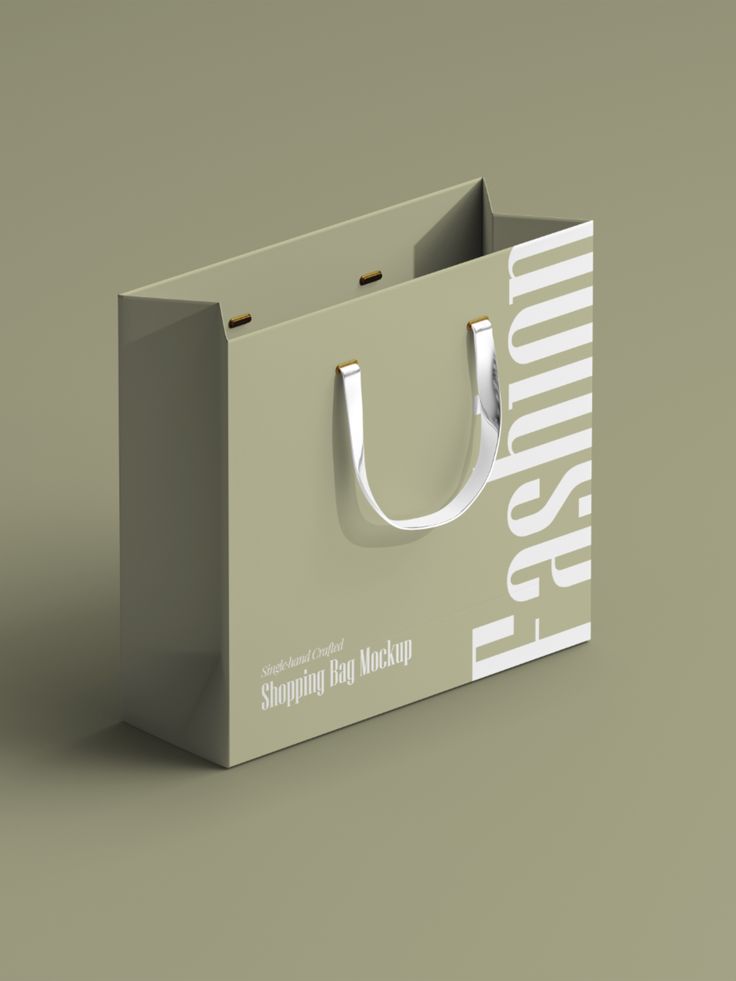
Retail packaging is the packaging a product uses when it is prepared for sale to customers through stores, boutiques, supermarkets, specialty retailers, online shops, or other sales channels.
It needs to do more than simply contain the product. Effective retail packaging protects the item, communicates important information, supports the brand, and helps customers understand what they are buying.
A well-designed package can also influence the first impression of a product. Before customers use a product, they often see its box, bag, sleeve, pouch, label, or other packaging.
That makes packaging an important part of the retail experience.
Why Does Retail Packaging Matter?
A product can be excellent, but customers often encounter the packaging before they experience the product itself.
Retail packaging can help a business:
- Protect products during handling
- Improve shelf presentation
- Communicate product information
- Build brand recognition
- Differentiate products from competitors
- Support premium positioning
- Make products easier to store
- Improve the unboxing experience
For smaller brands, packaging can be particularly valuable because it provides a physical representation of the business.
A consistent box, bag, sleeve, or pouch can make different products feel like part of the same collection.
Retail Packaging Begins With the Product
The best Branded Retail Packaging is designed around the product rather than selected simply because it looks attractive.
Before choosing a structure, businesses should consider:
- Product dimensions
- Product weight
- Fragility
- Moisture sensitivity
- Temperature exposure
- Retail handling
- Shipping requirements
- Display method
- Required information
- Customer opening experience
A lightweight cosmetic product may need a small folding carton, while a fragile item may require inserts and stronger construction.
Similarly, a product sold only in boutiques may have different packaging requirements from one that is shipped directly to customers.
Popular Types of Retail Packaging
Retail packaging includes many different formats, and each one serves a particular purpose.
Retail Packaging Boxes
Custom boxes are among the most versatile retail packaging formats. They can be manufactured in different sizes and structures for cosmetics, food, electronics, apparel accessories, gifts, and consumer products.
Folding Cartons
Folding cartons are lightweight and can provide a large printable surface for branding and product information.
Rigid Boxes
Rigid boxes provide a more substantial structure and are often used for premium products, gift sets, jewelry, electronics, and luxury goods.
Kraft Retail Boxes
Kraft boxes provide a natural appearance and are popular with handmade, artisan, organic, and environmentally conscious brands.
Display Boxes
Display packaging allows products to remain visible while they are presented on a retail shelf or counter.
Sleeves
Printed sleeves can wrap around products or inner containers and provide branding without requiring a fully printed structural box.
Window Boxes
A window allows customers to see the product without opening the package. This can be useful when product appearance is an important part of the purchase decision.
Retail Packaging Design: Make the Product Easy to Understand
Good retail packaging should communicate quickly.
Customers should be able to identify:
- What the product is
- Which brand made it
- What makes it different
- Important product details
- How or where it should be used
The front panel generally needs to carry the most important information.
The side and back panels can provide additional details such as instructions, ingredients, specifications, company information, barcodes, or other required content.
A package with too much information can feel crowded, while a package with too little information may leave customers uncertain about the product.
The goal is a clear visual hierarchy.
Custom Printed Retail Packaging Builds Brand Identity
Custom printing allows businesses to create packaging that is instantly associated with their brand.
Common printed elements include:
- Logo
- Brand name
- Tagline
- Brand colors
- Product photography
- Illustrations
- Patterns
- Product benefits
- QR codes
- Social media information
- Promotional messages
A consistent visual system can be used across an entire product line.
For example, a skincare brand may use the same logo placement and typography across facial cleansers, moisturizers, and serums while changing colors to distinguish individual products.
This creates product recognition without making every package identical.
Retail Packaging for Small Businesses
Small businesses often compete against larger brands with significantly bigger marketing budgets.
Packaging can provide a relatively direct way to make a product appear professional and memorable.
For a small business, custom retail packaging can help:
- Establish credibility
- Create a consistent brand appearance
- Improve product photography
- Support gift-ready presentation
- Strengthen customer recognition
- Create a better unboxing experience
Businesses do not necessarily need elaborate packaging to achieve this.
A simple custom box with a strong logo, clear typography, and carefully selected materials can often communicate more effectively than a complicated design.
Retail Packaging for E-Commerce
Online retail creates different packaging challenges because the product must survive shipping before the customer ever sees it.
E-commerce packaging may need to withstand:
- Compression
- Drops
- Vibration
- Friction
- Temperature changes
- Repeated handling
The retail package may also be placed inside a shipping carton or mailer.
For online brands, the packaging should therefore balance shelf appearance with shipping practicality.
An attractive retail box that becomes crushed during fulfillment can damage the customer’s first impression. For fragile products, internal inserts, cushioning, or secondary shipping protection may be necessary.
Retail Display Packaging
Products sold in physical stores need to compete for attention on shelves, counters, and displays.
Display packaging can help by making the product:
- Easier to see
- Easier to identify
- Easier to organize
- More visually distinctive
- Convenient to pick up
Window packaging can be particularly useful when customers need to see the product before purchasing.
Hang tabs, display boxes, countertop cartons, and other retail structures can also be selected according to how the product will be merchandised.
The packaging should be designed with the actual retail environment in mind rather than viewed only as an isolated box.
Premium Retail Packaging for High-End Products
Luxury and premium products often rely heavily on tactile and visual presentation.
Rigid boxes, specialty papers, foil stamping, embossing, debossing, soft-touch coatings, and other finishing techniques can create a more elevated experience.
However, premium packaging is not simply about adding as many finishes as possible.
A strong luxury package often depends on:
- Precise construction
- High-quality materials
- Clean typography
- Controlled color use
- Consistent branding
- Tactile details
- Excellent print quality
The goal is to make the packaging feel intentional rather than excessive.
Sustainable Retail Packaging
Many brands are looking for packaging options that reduce unnecessary material and support more responsible sourcing.
Potential approaches include:
- Recyclable paperboard
- Kraft paper
- Recycled-content materials
- Responsibly sourced fibers
- Right-sized boxes
- Minimal-material structures
- Reusable packaging
- Reduced plastic components
However, sustainability should be evaluated across the entire package.
A paper box may include coatings, laminations, windows, adhesives, or other components that affect recyclability. Local recycling infrastructure also determines whether a particular package can actually be recovered.
Businesses should therefore verify environmental claims before printing them on packaging.
Retail Packaging and Product Protection
Retail packaging needs to look good, but protection remains its primary functional responsibility.
A package should help protect the product from the conditions it will realistically encounter.
Depending on the product, this may include protection against:
- Scratches
- Dust
- Compression
- Impact
- Moisture
- Light
- Friction
- Product movement
Internal inserts can be useful for products that need to remain positioned inside the box.
The amount of protection should match the product rather than adding unnecessary packaging material.
Custom Retail Packaging Wholesale
Wholesale retail packaging can make sense for established brands with consistent product demand.
Before ordering in bulk, businesses should review:
- Box dimensions
- Material
- Board thickness
- Printing method
- Finishing
- Inserts
- Window requirements
- Order quantity
- Storage space
- Production timeline
- Shipping costs
Ordering larger quantities may reduce the unit cost, but businesses should avoid ordering more packaging than they can reasonably use or store.
For a new product, a smaller initial production run can be useful for testing customer response and packaging performance.
How Much Does Retail Packaging Cost?
Retail packaging pricing depends on several variables rather than one fixed rate.
Major cost factors include:
- Packaging size
- Material
- Structure
- Printing coverage
- Number of colors
- Finishing
- Inserts
- Windows
- Order quantity
- Shipping
- Production requirements
Rigid boxes generally require a different manufacturing process from lightweight folding cartons, while specialty finishes can add additional costs.
The most useful way to compare suppliers is to request quotes using the same specifications.
How to Design Effective Retail Packaging
Start With Your Customer
Understand who is buying the product and what type of packaging they expect.
Define the Product Requirements
Measure the product and determine what protection it needs.
Select the Packaging Structure
Choose a box, sleeve, pouch, bag, display package, or other format according to the product and sales environment.
Establish Visual Hierarchy
Make the brand, product name, and most important selling points easy to identify.
Keep Information Readable
Do not sacrifice readability simply to fit more graphics onto the package.
Consider the Retail Shelf
Think about how the package will look beside competing products.
Test the Packaging
A physical sample can reveal problems with fit, opening, durability, printing, and shelf presentation before production.
Retail Packaging for Different Industries
Cosmetics and Beauty
Small cartons, rigid boxes, sleeves, and display packaging can provide both product protection and premium presentation.
Food and Beverage
Food packaging needs to address food-contact suitability, grease, moisture, heat, freshness, and applicable labeling requirements.
Apparel and Accessories
Boxes, bags, sleeves, and tissue paper can create a cohesive retail and unboxing experience.
Electronics
Electronic products may require stronger packaging and protective inserts to reduce movement and impact.
Jewelry
Rigid boxes, small cartons, and specialty inserts can create a secure and premium presentation.
Pet Products
Custom papers with logo can be designed for treats, grooming products, toys, accessories, and other pet-care products.
Gifts
Gift packaging can prioritize appearance, presentation, and easy opening while providing appropriate product protection.
Final Thoughts
Retail packaging is where product protection, branding, information, and presentation come together. The right package can make products easier to identify, safer to handle, more attractive on shelves, and more memorable after purchase.
There is no universal retail package that works for every product. A successful solution starts with the product’s dimensions, protection requirements, sales channel, customer expectations, and brand identity.
From simple kraft cartons to premium rigid boxes, window packaging, display structures, and custom printed retail boxes, businesses can select a format that fits both the product and the market.
When packaging is designed with purpose, it becomes more than a container. It becomes part of the product experience and a physical expression of the brand.
Frequently Asked Questions
What is retail packaging?
Retail packaging is the packaging used to contain, protect, present, and sell products to customers through stores, e-commerce businesses, boutiques, supermarkets, and other retail channels.
Why is retail packaging important?
Retail packaging protects the product while communicating brand identity, product information, and visual appeal. It can also influence how customers perceive the product before they use it.
What types of retail packaging are available?
Common options include folding cartons, custom retail boxes, rigid boxes, kraft boxes, sleeves, display boxes, window boxes, bags, and other product-specific packaging formats.
Can retail packaging be custom printed?
Yes. Custom retail packaging can include logos, brand colors, graphics, product information, patterns, promotional messages, and other artwork.
What is custom retail packaging?
Custom retail packaging is manufactured according to a business’s specific product dimensions, branding, material requirements, and selling environment instead of using a standard stock package.
Is kraft packaging suitable for retail products?
Kraft packaging can be suitable for many retail products and is often chosen for its natural appearance. The appropriate kraft material depends on the product and required level of protection.
Can retail packaging be eco-friendly?
Yes. Businesses can consider recyclable paperboard, recycled-content materials, kraft, responsibly sourced fibers, and right-sized structures. Actual environmental performance depends on the complete package and local recycling infrastructure.
Is retail packaging suitable for e-commerce?
Yes, but e-commerce packaging should be tested for shipping conditions such as compression, impact, vibration, and handling. Fragile products may require additional protective packaging.
What information should go on retail packaging?
Depending on the product and applicable requirements, packaging may include the product name, brand, ingredients, instructions, specifications, barcode, manufacturer information, warnings, and other required details.
Can retail packaging have a window?
Yes. Window packaging allows customers to see the product without opening the box and can be particularly useful for food, cosmetics, gifts, bakery products, and other visually appealing products.
Can I order retail packaging wholesale?
Yes. Wholesale custom retail packaging is available in many materials, sizes, and structures. Minimum order quantities vary by manufacturer.
How do I choose the right retail packaging?
Start by considering the product’s size, weight, fragility, moisture sensitivity, sales channel, display environment, shipping requirements, and brand presentation. Then choose the material and structure that meet those requirements.
How much does custom retail packaging cost?
The cost depends on material, dimensions, structure, printing, finishes, inserts, order quantity, and shipping. A quote based on exact specifications provides the most accurate estimate.
Should I order a sample before buying wholesale?
Yes. Testing a sample allows you to evaluate product fit, protection, printing, shelf appearance, opening experience, and shipping performance before committing to a larger production run.


Leave a Reply