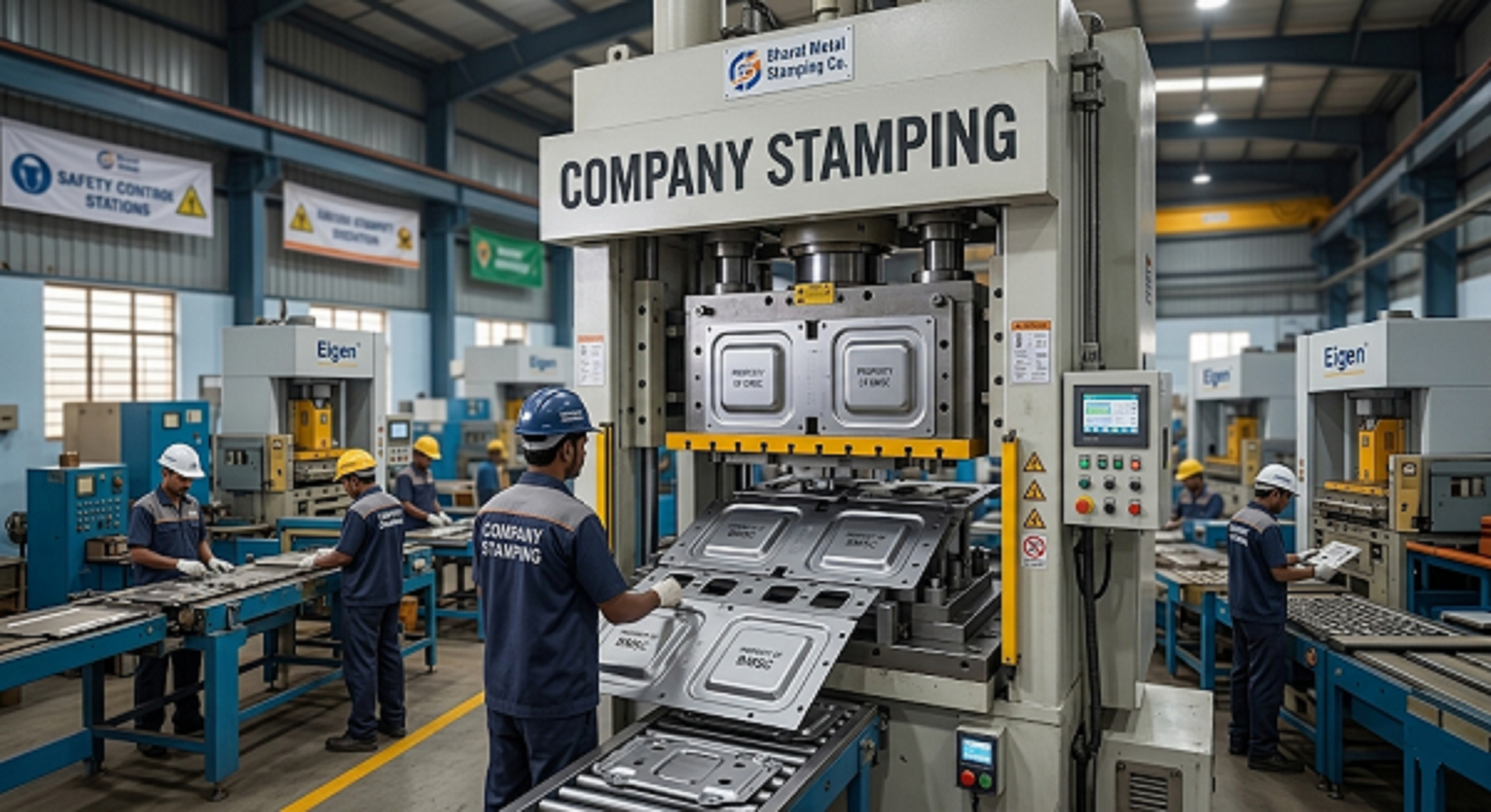
If you work in procurement and haven’t revisited your stamping strategy in the last couple of years, you’re already a few steps behind. The stamping industry has shifted quietly but meaningfully, and the teams that understand these changes are locking in better supplier deals, tighter lead times, and more predictable quality outcomes.
Here’s what’s actually changing on the ground.
EV Production Is Reshaping Demand
The electric vehicle push isn’t just an automaker headline — it directly affects every company stamping supplier in your chain. Battery enclosures, lightweight chassis brackets, busbar holders, and motor housings all require stamped metal parts. Procurement teams that used to source these through traditional steel-focused suppliers are now working with automotive component manufacturers who’ve invested heavily in aluminum and copper alloy stamping capabilities. If your supplier hasn’t adapted their press infrastructure to handle these materials, that gap will surface during audits.
Lightweighting Is Now a Baseline Expectation
OEM contracts increasingly specify ultra-high-strength steel or aluminum alloys as default materials. That puts pressure on suppliers to upgrade to servo-driven press systems capable of handling these materials without cracking tolerances. When you’re evaluating a company stamping partner, ask directly whether their press tonnage and tooling design are rated for advanced high-strength steel. It’s a quick filter that separates capable suppliers from those who are stretching their equipment.
Localized Sourcing Is a Real Procurement Lever
Supply chain disruptions over the past few years pushed many OEMs and Tier 1s toward regional sourcing strategies. Stamping suppliers near assembly hubs now command a real advantage because they reduce logistics exposure and allow faster tooling changes. As a procurement professional, proximity matters more than it used to. A supplier two hours from your plant is worth more than an equivalent one across a sea freight route.
Automation Is Compressing Lead Times — But Only at Some Suppliers
Plants that have integrated robotic loading, servo press systems, and real-time sensor monitoring are achieving measurable gains in output consistency and scrap reduction. When you’re comparing bids, dig into whether quoted lead times reflect a manual or automated line. The difference matters for high-volume programs and for urgent changeover scenarios.
Die Maintenance Skills Are Scarcer Than People Admit
This is a less glamorous trend, but it’s very real. Skilled toolmakers are retiring, and apprenticeship pipelines are thin. Some automotive component manufacturer have responded by investing in simulation-based die validation before physical tryouts, reducing the number of corrections needed during launch. For procurement, this translates to asking about a supplier’s die maintenance philosophy and whether they have documented tryout protocols — not just a portfolio of completed dies.
Sustainability Criteria Are Entering Supplier Scorecards
Green manufacturing expectations are trickling down from OEM ESG commitments into procurement criteria. Circular supply chain partnerships — where stamping scrap feeds back into green steel production — are no longer a novelty. Some European OEMs are already making these a procurement prerequisite.
The bottom line for procurement teams: company stamping isn’t a commodity category you can manage with price-per-part comparisons alone. Material capability, automation investment, tooling expertise, and regional proximity all determine whether a supplier can actually deliver on a modern production program.


Leave a Reply