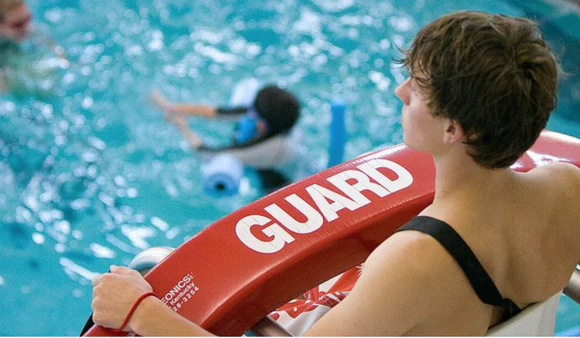
Why is lifeguard recertification important? Lifeguarding requires quick decision-making, strong rescue abilities, and up-to-date knowledge of emergency response procedures. Without regular practice and training, these skills can diminish over time. Recertification helps lifeguards maintain professional competence and continue providing the highest level of protection to swimmers and aquatic facility guests.
Whether working at a public pool, water park, beach, resort, or recreation center, maintaining an active certification demonstrates a commitment to safety, professionalism, and continuous improvement.
What Is Lifeguard Recertification?
Lifeguard recertification is a renewal program designed for individuals whose lifeguard certifications are approaching expiration or have recently expired. The course reviews essential lifesaving skills, updates participants on current rescue protocols, and evaluates their ability to perform critical tasks effectively.
A typical lifeguard recertification course includes:
- Water rescue skill evaluations
- CPR review and testing
- AED operation refresher training
- First Aid updates
- Emergency Action Plan procedures
- Surveillance and prevention techniques
- Practical rescue scenarios
The goal is to ensure lifeguards maintain the same level of competency expected during their original certification.
Why Is Lifeguard Recertification Necessary?
Maintaining Lifesaving Skills
Rescue techniques require regular practice to remain effective. Lifeguard recertification allows professionals to refresh these skills and improve response times during emergencies.
Staying Current with Industry Standards
Emergency response guidelines and best practices evolve over time. Recertification courses introduce updated procedures and recommendations that lifeguards need to know.
Meeting Employment Requirements
Most aquatic employers require staff to maintain active certifications. Lifeguard recertification helps professionals remain eligible for employment and advancement opportunities.
Enhancing Confidence
Reviewing rescue procedures and practicing emergency scenarios helps lifeguards maintain confidence in their abilities and decision-making skills.
Who Needs Lifeguard Recertification?
Any lifeguard holding a certification with an expiration date should consider recertification before their credential expires.
Professionals commonly seeking lifeguard recertification include:
- Pool lifeguards
- Beach lifeguards
- Water park staff
- Resort lifeguards
- Camp aquatic supervisors
- Recreation center employees
Completing recertification before expiration often simplifies the renewal process and helps avoid interruptions in employment eligibility.
The American Lifeguard Association (ALA)
Role in Lifeguard Recertification
The American Lifeguard Association (ALA) is recognized for its commitment to aquatic safety and professional lifeguard education. The organization provides lifeguard recertification programs designed to help professionals maintain their credentials and stay prepared for emergencies.
ALA recertification courses focus on practical skills, emergency readiness, and updated safety procedures.
ALA Recertification Programs
Programs may include:
- Lifeguard Recertification
- CPR Renewal
- AED Refresher Training
- First Aid Updates
- Waterfront Lifeguard Recertification
- Emergency Response Reviews
Participants demonstrate proficiency through practical assessments and skill evaluations.
Benefits of ALA Lifeguard Recertification
Updated Rescue Skills
Courses reinforce essential rescue techniques and emergency response procedures.
Continued Professional Recognition
Maintaining certification helps lifeguards meet employer requirements and industry standards.
Improved Emergency Preparedness
Regular training strengthens readiness for real-world emergencies.
Career Continuity
Active certification helps prevent employment interruptions and supports career advancement opportunities.
The American Red Cross (ARC)
Commitment to Lifeguard Training
The American Red Cross (ARC) has long been a leader in emergency preparedness, health education, and aquatic safety. Its recertification programs help lifeguards maintain competency and remain current with evolving safety practices.
ARC Recertification Courses
Common offerings include:
- Lifeguarding Recertification
- CPR/AED Renewal
- First Aid Updates
- Waterfront Lifeguard Recertification
- Waterpark Lifeguard Reviews
These programs combine knowledge review with practical skill assessments.
Benefits of ARC Lifeguard Recertification
National Recognition
ARC certifications remain widely accepted by aquatic employers throughout the United States.
Updated Training Materials
Participants receive instruction based on current research and emergency response guidelines.
Professional Development
Recertification supports ongoing learning and reinforces best practices.
Strong Employment Value
Maintaining a current ARC certification demonstrates professionalism and commitment to safety.
ALA vs. ARC Lifeguard Recertification
Both organizations offer respected recertification programs that help lifeguards maintain professional standards.
Similarities
Both provide:
- Rescue skill reviews
- CPR and AED refreshers
- First Aid updates
- Practical evaluations
- Certification renewal opportunities
Differences
The American Lifeguard Association often emphasizes practical rescue readiness and flexible training options, while the American Red Cross follows a structured curriculum supported by extensive research and national safety initiatives.
Employers may accept either certification depending on their policies and operational requirements.
Key Skills Reviewed During Lifeguard Recertification
Water Rescue Techniques
A major component of lifeguard recertification involves reviewing and practicing rescue skills.
Participants revisit:
- Active victim rescues
- Passive victim rescues
- Submerged victim recoveries
- Multiple-victim scenarios
- Spinal injury management
- Rescue equipment usage
These exercises help maintain efficiency and confidence.
CPR and AED Skills
Cardiac emergencies require immediate action. Lifeguard recertification includes:
- Adult CPR review
- Child CPR review
- Infant CPR review
- AED operation updates
- Rescue breathing techniques
Practical assessments ensure participants can perform these skills correctly.
First Aid Refresher Training
Recertification courses review essential first aid procedures for:
- Cuts and abrasions
- Fractures
- Heat-related illnesses
- Allergic reactions
- Shock management
- Medical emergencies
Maintaining proficiency helps lifeguards respond effectively until advanced medical care arrives.
Emergency Action Plans
Emergency Action Plans (EAPs) remain critical components of aquatic safety operations.
Lifeguards review:
- Emergency response procedures
- Communication protocols
- Team coordination strategies
- Incident documentation practices
- Facility-specific emergency plans
Strong familiarity with EAPs contributes to more effective emergency management.
Surveillance and Prevention
Prevention remains one of the most important lifeguarding responsibilities.
Recertification reinforces:
- Scanning techniques
- Hazard identification
- Risk assessment
- Patron monitoring
- Preventive interventions
Effective surveillance helps reduce the likelihood of emergencies occurring.
Legal and Ethical Responsibilities
Lifeguards must understand their professional obligations.
Recertification programs often revisit:
- Duty of care
- Professional conduct
- Documentation requirements
- Liability considerations
- Ethical decision-making
These topics support responsible and professional performance.
The Lifeguard Recertification Process
Step 1: Verify Certification Status
Before enrolling, lifeguards should confirm the expiration date of their current certification.
Step 2: Register for a Recertification Course
Choose an approved provider and schedule a course before certification expires whenever possible.
Step 3: Complete Knowledge Review
Participants review key concepts related to aquatic safety, rescue procedures, CPR, and First Aid.
Step 4: Demonstrate Practical Skills
Hands-on assessments evaluate rescue abilities, CPR performance, and emergency response competence.
Step 5: Pass Required Evaluations
Successful completion of written and practical assessments is typically required for renewal.
Step 6: Receive Updated Certification
Upon meeting all requirements, participants receive renewed credentials and may continue working as certified lifeguards.
Why Continuous Training Matters
When should lifeguards practice their skills? Ideally, throughout the year.
While lifeguard recertification is essential, regular in-service training helps maintain proficiency between certification cycles.
Benefits of continuous training include:
- Improved rescue performance
- Faster emergency response
- Better teamwork
- Greater confidence
- Stronger preparedness
Consistent practice ensures lifeguards remain ready for emergencies at all times.
Career Benefits of Lifeguard Recertification
Maintaining an active certification can support long-term career growth.
Benefits include:
- Continued employment eligibility
- Enhanced professional credibility
- Increased advancement opportunities
- Stronger leadership potential
- Improved emergency response capabilities
Many supervisors and aquatic managers began their careers as lifeguards and maintained certifications throughout their professional development.
Conclusion
Lifeguard recertification is a critical part of maintaining professional competence in aquatic safety. Through skill reviews, CPR updates, First Aid refreshers, and practical rescue evaluations, recertification helps lifeguards remain prepared to protect lives and respond effectively during emergencies.Organizations such as the American Lifeguard Association and the American Red Cross continue to provide high-quality recertification programs that support safety, professionalism, and ongoing learning. By completing lifeguard recertification regularly and participating in continuous training, lifeguards can maintain the confidence, knowledge, and skills needed to serve their communities and create safer aquatic environments.
Frequently Asked Questions
What is lifeguard recertification?
Lifeguard recertification is a renewal course that allows certified lifeguards to refresh their skills, update their knowledge, and maintain active certification status.
How often is lifeguard recertification required?
Most certifications require renewal approximately every two years, although requirements may vary by certifying organization.
Can I recertify after my certification expires?
Many organizations allow recertification within a specific grace period, but policies differ. Checking with the certification provider is recommended.
What skills are tested during lifeguard recertification?
Participants typically demonstrate water rescue techniques, CPR, AED operation, First Aid procedures, and emergency response skills.
Why is lifeguard recertification important?
Recertification helps lifeguards maintain lifesaving skills, stay current with industry standards, and meet employer requirements.
Author Bio
About the Author
The author is a water safety and aquatic training writer with extensive experience researching lifeguard education, emergency preparedness, CPR instruction, and public safety standards. Dedicated to promoting safer aquatic environments, the author provides accurate, practical information that helps lifeguards, instructors, and aquatic professionals maintain the knowledge and skills necessary for effective emergency response and risk prevention.


Leave a Reply