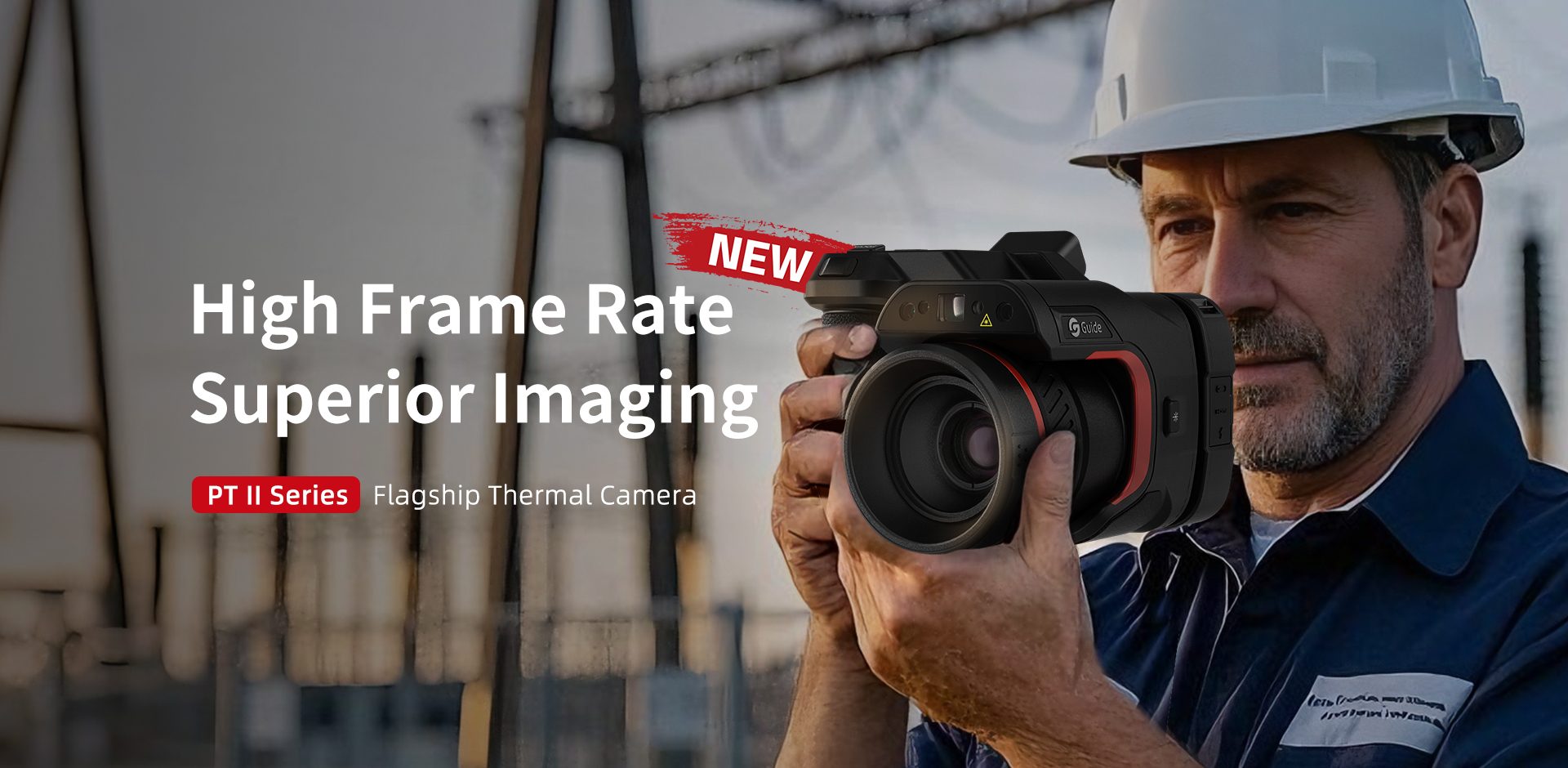
In the demanding environment of a modern fireground, the ability to maintain orientation while navigating through dense, toxic smoke is the most significant challenge a crew faces. The integration of a firefighter thermal camera for smoke navigation has revolutionized these operations by providing a reliable, digital “sense” that functions when human vision is completely obstructed. By detecting infrared radiation emitted by all objects, these sophisticated devices translate heat intensity into clear visual data. This allows responders to map out interior layouts, identify potential hazards, and locate trapped victims with speed and precision, ensuring that critical rescue decisions are based on real-time evidence rather than estimations in the dark.
The Science of Infrared Detection
At the heart of thermal technology is the ability to capture infrared energy, which remains visible to sensors even when optical light is completely blocked by particulate matter. While smoke and soot scatter visible light waves, long-wave infrared radiation passes through these obstacles with minimal interference. For a firefighter, this means that the display of a thermal camera can reveal the location of furniture, walls, doorways, and even occupants, who appear as distinct heat signatures against the backdrop of a cooling structure. This capability is foundational for modern tactical approaches, as it allows for the rapid assessment of environmental conditions and the identification of hidden thermal threats.
Enhancing Tactical Search and Rescue
Efficiency is the cornerstone of successful rescue missions. When every second is critical, the ability to scan a room instantly for human occupants dramatically increases survival rates. Unlike traditional search methods that rely on tactile scanning and movement in zero-visibility conditions, thermal imaging allows teams to identify body heat signatures from a distance. This reduces the time spent in the “hot zone” and allows crews to prioritize their efforts based on the information provided by the camera. Furthermore, by visualizing thermal gradients on floors and ceilings, firefighters can avoid areas of structural instability, significantly lowering the risk of collapse during the rescue process.
Selecting the Best Firefighter Thermal Camera 2026
When departments analyze their procurement needs, finding the best firefighter thermal camera 2026 is a priority driven by the need for high-resolution clarity and robust operational reliability. The latest generation of hardware features improved frame rates and advanced image processing, which are essential for tracking fast-moving fire dynamics in real-time. Modern units are also designed with ergonomics at the forefront, ensuring they can be operated one-handed even while wearing heavy, protective gloves. By choosing devices that are ruggedized against extreme heat, moisture, and mechanical impact, departments ensure that their teams are supported by equipment that can withstand the harshest field conditions.
Leveraging Connectivity and Real-Time Data
The next frontier in fireground technology is the connectivity of thermal imaging systems to external command and control centers. Many contemporary models now offer the ability to transmit live video feeds directly to incident commanders positioned outside the structure. This “eyes-on” capability allows for a more coordinated response, as commanders can monitor interior progress, assess the spread of hidden fire extensions, and make informed decisions regarding resource allocation without needing constant radio updates. This integration of data creates a unified situational awareness, ensuring that every member of the team—from the front line to the exterior command post—is working with the same accurate information.
Training for Intuitive Operation
The true value of thermal technology is unlocked through rigorous and consistent training. It is not enough to simply provide the equipment; firefighters must develop “thermal intuition”—the ability to instinctively interpret thermal images and differentiate between benign heat sources and dangerous fire progression. Simulation-based training programs allow crews to experience a variety of scenarios, from hidden electrical fires behind walls to complex victim recovery in high-smoke environments. This practice builds the muscle memory and analytical confidence necessary to use the camera as a seamless extension of their own perception during high-stress incidents.
The Evolving Role of Thermal Imaging Camera Firefighting
The field of thermal imaging camera firefighting is rapidly expanding, with innovations now reaching into helmet-mounted displays and integrated breathing apparatus systems. By moving toward hands-free solutions, the fire service is making it possible for personnel to maintain focus on their primary tasks—such as hose management and structural assessment—while simultaneously receiving critical thermal feedback. As sensor sensitivity improves and software-driven analytics become more intelligent, these tools will continue to play a pivotal role in reducing the inherent risks of firefighting, reinforcing the profession’s commitment to safety and operational excellence.
Conclusion
The adoption of high-performance thermal imaging has fundamentally raised the standard for safety in the fire service. By bridging the critical gap between zero-visibility environments and the need for clear, actionable data, these cameras have become an indispensable asset for any modern fire department. As the technology continues to advance, the emphasis on connectivity, durability, and intuitive operation will ensure that first responders are better prepared than ever before. Through the continued integration of these sophisticated imaging tools, the fire service remains dedicated to its primary mission: protecting life and property in the face of the most challenging environments.





Leave a Reply