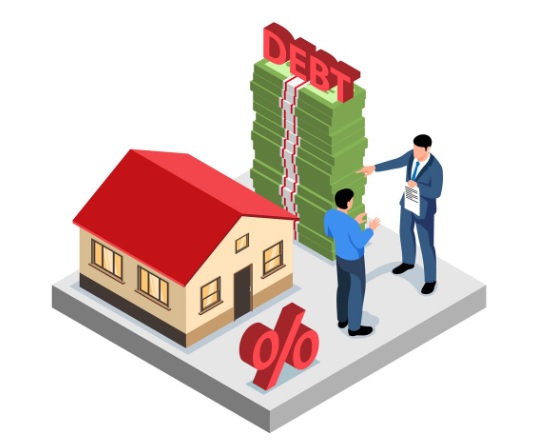
The kind of interest rate you select can influence the overall sum of money you will repay on a home loan. Many borrowers only look at EMI and ignore the long term cost associated with the loan. This can create financial pressure in the future. A fixed interest rate means your payments stay the same. Floating rates mean they move with the market.
The two options work differently over time. Before you borrow, it is crucial to know how each home loan interest rate will affect the repayment, monthly budgeting, and total interest paid over the entire tenure.
Understanding Fixed Interest Rates in Home Loans
A fixed home loan interest rate is a constant rate that is fixed for a specified time period or the entire loan lifetime, depending on the lender. This will help you keep your EMI fixed even if the market rates go up later.
However, many borrowers prefer fixed rates because budgeting becomes easier. It is a preferred choice of salaried persons with regular income for financial security. But standard fixed rates are higher at the beginning. If rates in the market fall later on, borrowers might still be paying more than floating rate customers.
A housing loan installment calculator can help estimate monthly payments before selecting this option. It gives borrowers a practical idea of affordability.
How Floating Rates Change Monthly Loan Payments
A floating home loan interest rate changes according to market trends and lending benchmarks. If interest rates fall, your EMI or repayment tenure may be reduced. This can lower the overall repayment amount in the long run.
Floating rates usually begin lower than fixed rates, making them attractive for borrowers looking for smaller initial EMIs. Still, there is uncertainty involved. If rates rise sharply, monthly payments can increase and affect budgeting.
Borrowers who can manage changing EMIs often prefer this option. Many also use a housing loan installment calculator to compare different repayment situations before making a decision.
Long-Term Cost Difference Between the Two Options
The difference between fixed and floating rates becomes more noticeable in long-term loans. Even a small variation in percentage can create a large repayment gap over 20 years or more.
For example, a slight increase in the home loan interest rate may add several lakhs to the total repayment amount. Fixed rates offer stability, but they may cost more if market rates decline later. Floating rates can reduce repayment cost during favourable market conditions, although they come with risk.
Borrowers should compare the whole amount of repayment and not only the starting EMI amounts.
Factors Borrowers Should Evaluate Before Choosing
- Income Stability: Borrowers with a fixed monthly income frequently choose fixed EMI payments. Floating rates can be good for people with a flexible or rising income.
- Loan Tenure: In a longer loan tenure, interest rate changes put more impact on the overall cost of repayment.
- Future Financial Plans: If you have future plans of making a major purchase or investment, be wary of repayment structures.
- Loan Terms and Charges: Processing fees, conversion charges, and prepayment conditions should always be reviewed properly.
How Grihum Housing Finance Helps Borrowers in Smarter Loan Planning
Grihum Housing Finance provides housing loan solutions for all income groups and repayment requirements. Before selecting an appropriate choice, they help borrowers grasp important factors, including EMIs, loan tenures, fixed and floating interest rate structures, etc.
They provide straightforward repayment planning and transparent loan assistance that helps the applicant assess affordability with more confidence. This allows borrowers to make informed selections according to their comfort level with their finances and long term goals.
Conclusion
Fixed and floating rates affect repaying the loan in very different ways. One provides stability and the other flexibility with market linked changes. Before making a choice, borrowers should consider the long term costs, repayment comfort, and future financial goals carefully.
Proper planning will always help to avoid financial difficulty in the future. Well informed choices and help from lenders like Grihum Housing Finance enable borrowers to take on loans with more confidence.





Leave a Reply