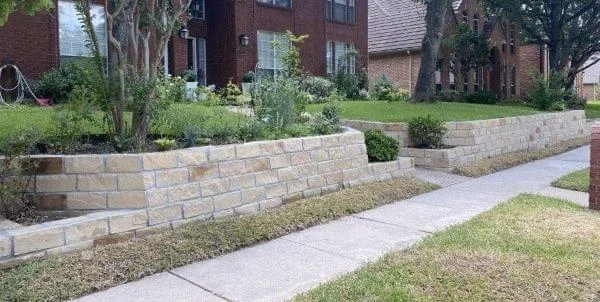
Building a retaining wall is one of the smartest ways Pittsburgh homeowners can manage sloped yards, prevent erosion, and enhance curb appeal. With the city’s rolling terrain, heavy rainfall, and freeze–thaw cycles, retaining walls aren’t just decorative—they’re structural necessities. This guide walks you through planning, materials, costs, permits, and hiring the right pittsburgh retaining wall contractor so your project lasts for decades.
Why Retaining Walls Matter in Pittsburgh
Pittsburgh’s landscape is defined by hills, valleys, and rivers. While beautiful, these features can create drainage problems and unstable slopes around homes. A properly engineered retaining wall:
- Controls soil erosion on steep grades
- Improves drainage and reduces water damage
- Creates usable outdoor space (terraces, gardens, patios)
- Boosts property value and curb appeal
Without professional design and installation, however, retaining walls can fail—leading to leaning, cracking, or collapse. That’s why choosing an experienced contractor is critical.
Understanding Retaining Wall Types
Before calling a contractor, it helps to know which wall type suits your property.
Gravity Retaining Walls
These rely on their own weight to hold soil back. Common materials include concrete blocks and natural stone. They’re ideal for shorter walls (under 4 feet) and are popular in residential Pittsburgh neighborhoods.
Cantilevered Retaining Walls
Built with reinforced concrete, these walls use leverage for strength. They’re suitable for taller walls and heavy soil loads, especially on steep slopes.
Anchored Retaining Walls
Anchors or tiebacks are driven into the soil behind the wall, providing extra support. These are often used where space is limited or soil conditions are challenging.
A qualified pittsburgh retaining wall contractor will assess your site and recommend the safest, most cost-effective option.
Choosing the Right Materials
Material choice affects durability, aesthetics, and maintenance.
Concrete Block
- Durable and cost-effective
- Clean, modern appearance
- Ideal for engineered systems with drainage
Natural Stone
- Premium, timeless look
- Higher cost but excellent longevity
- Blends well with Pittsburgh’s historic architecture
Poured Concrete
- Extremely strong
- Allows custom shapes and finishes
- Requires skilled installation
Timber (Less Common in Pittsburgh)
- Lower upfront cost
- Shorter lifespan due to moisture and freeze–thaw damage
Most homeowners opt for concrete block or stone due to Pittsburgh’s climate.
Drainage: The Key to a Long-Lasting Wall
Poor drainage is the #1 cause of retaining wall failure. Water pressure builds behind the wall, leading to bulging or collapse. Professional contractors address this with:
- Gravel backfill
- Perforated drain pipes (French drains)
- Weep holes to release water pressure
Never cut corners on drainage—it’s essential for safety and longevity.
Permits and Local Regulations in Pittsburgh
Many retaining walls require permits, especially if they exceed 4 feet in height or impact neighboring properties. Local regulations may also address:
- Setback requirements
- Engineering drawings
- Inspection schedules
An experienced contractor will handle permits and ensure compliance, saving you time and avoiding fines.
Cost of Building a Retaining Wall in Pittsburgh
Costs vary based on height, materials, site access, and soil conditions. As a general estimate:
- $30–$60 per square foot for concrete block
- $40–$100+ per square foot for natural stone
- Additional costs for excavation, drainage, and engineering
While DIY may seem cheaper, mistakes can be costly. Hiring a professional pittsburgh retaining wall contractor ensures the job is done right the first time.
How to Hire the Right Pittsburgh Retaining Wall Contractor
Not all contractors are equal. Use this checklist before signing a contract:
Verify Experience
Choose contractors with proven experience in retaining walls—not just general landscaping.
Ask About Engineering
For taller or load-bearing walls, engineering expertise is essential.
Review Past Projects
Photos, references, and reviews help verify quality and reliability.
Get a Detailed Quote
A professional quote should include materials, drainage, permits, timeline, and warranty.
Confirm Insurance
Ensure the contractor is fully insured to protect your property and investment.
Maintenance Tips for Retaining Walls
Once installed, basic maintenance keeps your wall performing well:
- Inspect annually for cracks or leaning
- Clear drainage outlets
- Remove vegetation that could damage the structure
- Address minor issues early before they escalate
Well-built walls can last 30–50 years or more with proper care.
Why Professional Installation Matters
Retaining walls are structural elements—not simple garden features. Incorrect installation can lead to:
- Soil movement and erosion
- Water damage to foundations
- Safety hazards
Working with a qualified pittsburgh retaining wall contractor provides peace of mind, compliance with local codes, and long-term performance.
Serving Clients Nationwide with a Professional Approach
While this guide focuses on Pittsburgh homeowners, professional retaining wall services are offered from our business location at 6613 Herbert Road, Colleyville, TX 76034, delivering expert planning, quality materials, and reliable project management standards applicable across regions.
Frequently Asked Questions (FAQs)
1. Do I need a permit to build a retaining wall in Pittsburgh?
Yes, permits are often required for walls over 4 feet tall or those affecting drainage or neighboring properties. A professional contractor typically manages this process.
2. How long does a retaining wall take to build?
Most residential projects take 3–7 days, depending on size, materials, and site conditions.
3. What is the best material for Pittsburgh’s climate?
Concrete block and natural stone perform best due to durability against moisture and freeze–thaw cycles.
4. Can a retaining wall increase home value?
Yes. Properly designed retaining walls improve curb appeal, usability of outdoor space, and overall property value.
5. Why should I hire a pittsburgh retaining wall contractor instead of DIY?
Professional contractors ensure proper engineering, drainage, permits, and long-term stability—reducing the risk of costly failures.
Final Thoughts
A retaining wall is an investment in safety, functionality, and beauty. For Pittsburgh homeowners dealing with slopes, drainage, or erosion, working with a trusted pittsburgh retaining wall contractor is the smartest path to a durable, code-compliant solution. With proper planning, materials, and professional installation, your retaining wall will protect and enhance your property for years to come.





Leave a Reply