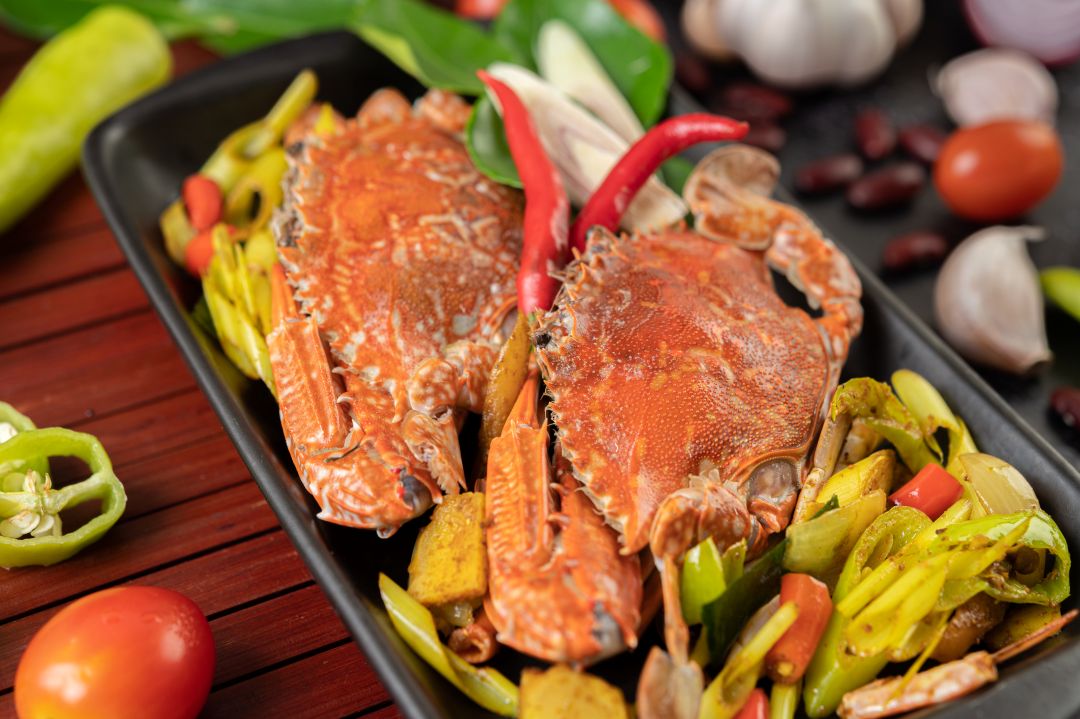
Fresh Irish crab stands out for its sweet flavour, firm texture, and clean coastal origin. Seafood buyers across Ireland consistently choose trusted coastal sources because quality begins at sea.
That is why Loughshinny Crab Quality has earned strong loyalty from chefs, retailers, and seafood enthusiasts. From boat to kitchen, careful handling protects freshness and taste.
Loughshinny, a fishing village in North County Dublin, has long supplied premium brown crab to Irish markets. Its coastal waters, skilled fishermen, and short supply chain all play a role.
When restaurants need reliable Irish seafood, they often turn to this trusted source.
The Coastal Waters Behind Loughshinny Crab Quality
Great seafood starts with clean water. The waters off Loughshinny are cold and rich in nutrients. These conditions support healthy shellfish growth.
Cold Atlantic currents help crab develop firm meat. The slower growth in cool water improves texture. Many chefs say Irish brown crab tastes sweeter than imported options.
Irish waters are monitored closely for safety and quality. The Marine Institute oversees marine health and stock levels. This careful management supports strong fisheries.
Local fishermen land crab daily. Short travel times protect freshness. That freshness shapes overall Loughshinny Crab Quality from the start.
Restaurants value consistency. Retailers value dependable supply. Both benefit from strong coastal sourcing.
Handling and Freshness from Boat to Kitchen
Fresh handling matters as much as location. Crab is delicate and must be managed carefully.
Loughshinny fishermen use traditional pot fishing methods. Pots reduce damage compared to large-scale trawling. This keeps shells intact and meat firm.
Once landed, crab moves quickly to processing. Short supply chains reduce the time between catch and delivery. Less travel means better flavour.
Seafood buyers often look for three signs of freshness:
- Clean sea aroma
- Firm white claw meat
- Bright shell colour
Proper storage also plays a role. Keeping crab chilled protects quality during transport.
For restaurants and fishmongers, freshness supports both flavour and food safety standards.
Loughshinny Crab and Sustainable Fishing Practices
Sustainability builds long-term trust. Irish crab fisheries operate under European Union rules that protect stock levels.
Why Pot Fishing Supports Quality
- Limits seabed damage
- Reduces bycatch
- Protects young crab stock
These methods help maintain healthy crab populations. Sustainable practices ensure future supply for Irish markets.
Consumers now care deeply about seafood origin. According to Bord Bia, Irish shoppers show rising interest in locally sourced and responsibly harvested seafood.
Supporting sustainable crab fisheries benefits both coastal communities and marine life.
That balance strengthens confidence in Loughshinny Crab as a premium product.
Why Chefs and Retailers Choose Loughshinny Crab
Professional kitchens depend on dependable ingredients. Flavour, texture, and consistency matter every day.
Chefs value brown crab for its rich body meat and sweet claw meat. It works well in many dishes:
- Crab claws with garlic butter
- Classic seafood chowder
- Fresh crab salad
- Crab linguine
Retailers also report steady sales of fresh Irish crab, especially during summer and Christmas seasons.
Shorter supply routes reduce delays. Clear catch information supports traceability. Both factors influence purchasing decisions.
When menus highlight Irish coastal produce, customers respond positively. Quality seafood builds repeat business.
Traceability and Transparency in Irish Seafood
Modern buyers expect clear sourcing details. Traceability builds trust between supplier and kitchen.
Each catch can be traced back to landing port and fishing vessel. This level of transparency reassures chefs and retailers.
Key Traceability Points
- Catch area identification
- Landing date
- Fishing method used
Clear labeling supports food safety and customer confidence. It also strengthens brand reputation for seafood businesses.
In today’s market, transparency is no longer optional. It is part of premium seafood supply.
Loughshinny Crab Quality is closely linked to this open and traceable system.
The Growing Consumer Preference for Local Crab
Irish diners increasingly choose local seafood over imports. Taste and origin both matter.
Imported crab often travels long distances. This may affect freshness. Locally landed crab reaches markets faster.
Short transport routes also reduce environmental impact. Many restaurants now highlight local sourcing on menus.
Food festivals and seafood events across Ireland continue to promote coastal produce. This visibility strengthens demand.
As awareness grows, so does loyalty to trusted Irish seafood suppliers.
Local sourcing supports flavour, freshness, and coastal jobs.
Frequently Asked Questions
Q1. What makes Loughshinny crab different from imported crab?
Loughshinny crab is landed locally in Irish waters. Short travel times protect freshness. Cold coastal waters support firm texture and sweet flavour.
Q2. Is Loughshinny crab sustainably sourced?
Yes. Irish crab fisheries follow strict EU regulations. Pot fishing methods reduce seabed impact and protect crab stock.
Q3. Why do chefs prefer Irish brown crab?
Irish brown crab offers rich body meat and sweet claw meat. Its consistency supports professional kitchen standards.
Q4. How is freshness maintained after landing?
Crab moves quickly from the boat to the processing. Proper chilling protects texture and flavour during transport.
Q5. Who buys Loughshinny crab?
Restaurants, fishmongers, and seafood enthusiasts across Ireland purchase it. It is especially popular during seasonal peaks.
Conclusion
Seafood lovers trust Loughshinny Crab Quality because it combines freshness, traceability, and responsible sourcing. Clean coastal waters, careful handling, and sustainable fishing practices protect both flavour and future supply.
To conclude, enjoying premium seafood requires freshness, traceability, and sustainable sourcing. By supporting practices that prioritize local fishermen and environmentally responsible harvesting, seafood lovers can enjoy the best flavors while contributing to the health of Irish coastal communities.




Leave a Reply