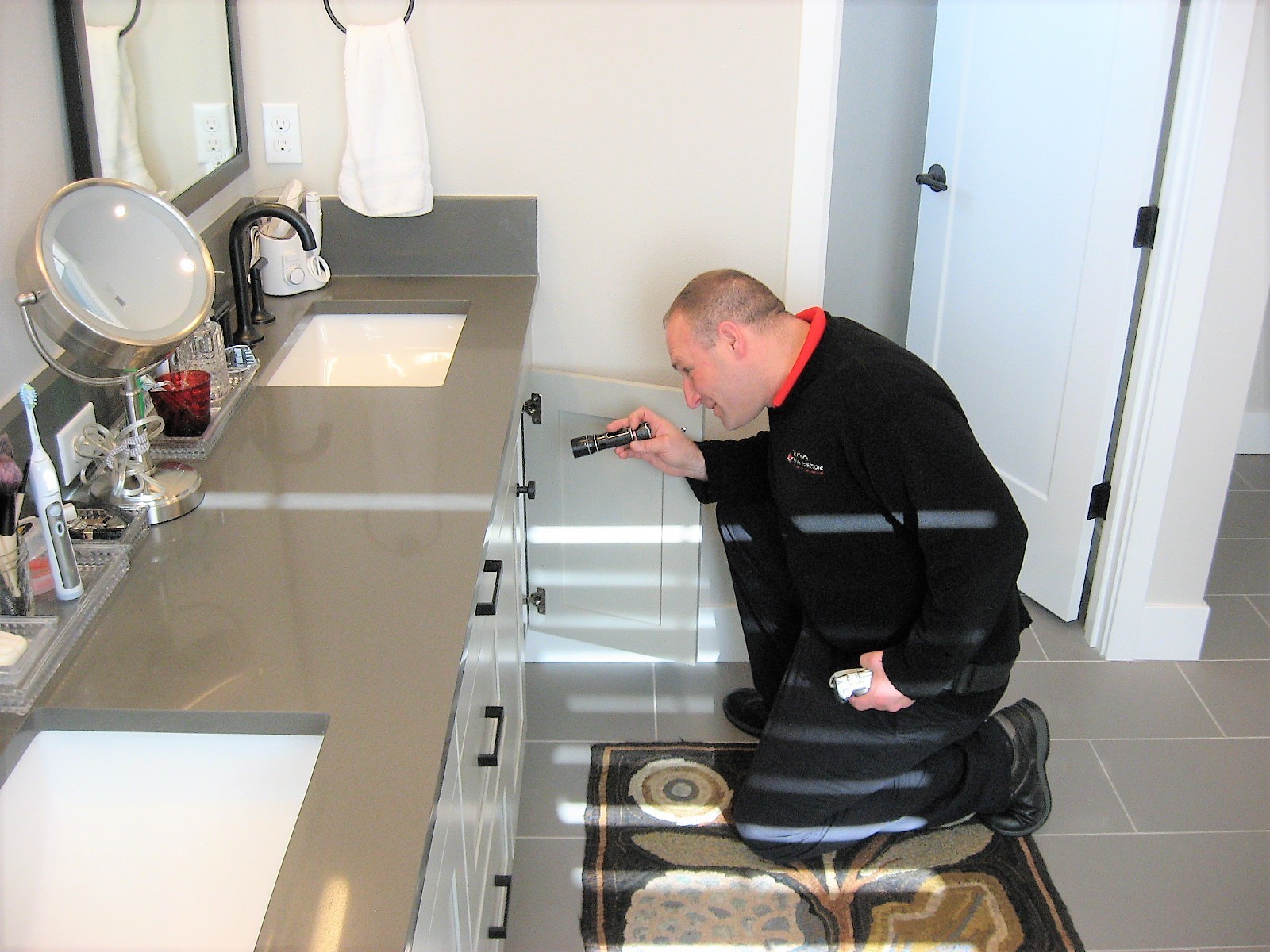
Buying a home is one of the most significant investments you’ll ever make. Whether you’re a first-time buyer or a seasoned homeowner, a Pre-Purchase Home Inspection is a critical step that protects your finances and gives you peace of mind before closing.
A professional inspection provides an in-depth evaluation of a property’s condition, revealing potential issues that may not be visible during a standard walkthrough. For buyers in the South Sound region, working with experienced inspectors based at 3118 Judson St, Gig Harbor, WA 98335 ensures that your inspection is thorough, accurate, and tailored to local housing conditions.
In this guide, we’ll explore what a pre-purchase home inspection includes, why it matters, and how to make the most of this essential process.
What Is a Pre-Purchase Home Inspection?
A Pre-Purchase Home Inspection is a comprehensive evaluation of a property conducted after a buyer’s offer is accepted but before finalizing the purchase. It provides a detailed assessment of the home’s structural components, systems, and overall condition.
Why It’s Different From a Walkthrough
During a showing or open house, buyers typically focus on layout, design, and cosmetic features. An inspection goes much deeper. A licensed inspector evaluates:
- Roofing systems
- Foundation and structure
- Electrical components
- Plumbing systems
- Heating and cooling systems
- Insulation and ventilation
- Interior and exterior elements
The goal is to identify safety concerns, major defects, and maintenance issues before you finalize the purchase.
Why a Pre-Purchase Home Inspection Is Essential
Protect Your Investment
Homes can appear well-maintained on the surface while hiding costly problems underneath. A pre-purchase home inspection helps uncover:
- Structural damage
- Water intrusion
- Electrical hazards
- Aging or failing systems
Identifying these concerns early allows you to make informed decisions.
Strengthen Your Negotiation Power
Inspection findings can provide leverage to:
- Request repairs
- Negotiate price reductions
- Ask for seller credits
- Reassess your offer
Without an inspection, buyers assume unnecessary risk.
Avoid Unexpected Expenses
Unexpected repairs shortly after moving in can strain finances. A thorough pre-purchase home inspection reduces the likelihood of unpleasant surprises.
What Does a Pre-Purchase Home Inspection Cover?
Exterior Evaluation
The inspector will examine the home’s exterior for signs of wear and potential damage, including:
- Roofing materials and flashing
- Gutters and drainage
- Siding and trim
- Windows and doors
- Foundation integrity
In areas like Gig Harbor and surrounding communities, moisture and rainfall make drainage assessments especially important.
Structural Components
Structural stability is critical. Inspectors evaluate:
- Crawlspaces or basements
- Support beams and framing
- Signs of settling or shifting
- Cracks in foundation walls
Even small structural concerns can signal larger issues over time.
Electrical Systems
Electrical inspections include reviewing:
- Main service panel
- Circuit breakers
- Visible wiring
- Grounding and bonding
- Outlet functionality
Outdated panels or improper wiring can present safety hazards.
Plumbing Systems
Inspectors test:
- Water pressure
- Visible pipes
- Drainage
- Water heaters
- Fixtures
Leaks or aging plumbing materials can lead to costly repairs.
HVAC Systems
Heating and cooling systems are evaluated for:
- Proper operation
- Estimated lifespan
- Visible wear
- Ventilation efficiency
A malfunctioning HVAC system can significantly impact comfort and utility costs.
When Should You Schedule a Pre-Purchase Home Inspection?
Immediately After Offer Acceptance
Most real estate contracts include an inspection contingency period. Buyers should schedule their pre-purchase home inspection as soon as the offer is accepted to avoid missing deadlines.
Before Finalizing Loan Approval
Lenders may not require an inspection, but securing one before finalizing financing ensures you understand the property’s true condition.
What Happens During the Inspection?
The Inspection Process
A typical pre-purchase home inspection takes 2 to 4 hours, depending on the size and age of the home. The inspector systematically evaluates accessible areas of the property.
Should Buyers Attend?
Yes. Attending the inspection allows you to:
- Ask questions
- See concerns firsthand
- Learn about maintenance needs
- Better understand the home’s systems
The inspection is both an evaluation and an educational opportunity.
Understanding the Inspection Report
After the inspection, you’ll receive a detailed report that typically includes:
- Written summaries of findings
- Photographs
- Safety concerns
- Recommended repairs
- Maintenance suggestions
Review the report carefully and discuss any questions with your inspector.
Prioritizing Findings
Not every issue is urgent. Focus on:
- Structural problems
- Safety hazards
- Major system failures
- Roof or foundation concerns
Minor cosmetic issues are common and often manageable.
Common Issues Found During Pre-Purchase Home Inspections
While every home is unique, inspectors frequently identify:
Moisture and Drainage Problems
Water intrusion is one of the most common findings, particularly in the Pacific Northwest. Improper grading, clogged gutters, and crawlspace dampness can lead to long-term damage.
Roofing Wear
Roofs endure constant exposure to the elements. Missing shingles, moss buildup, or flashing issues may require repair or replacement.
Aging Systems
Older homes often have:
- Outdated electrical panels
- Inefficient heating systems
- Galvanized plumbing
These systems may still function but could be nearing the end of their lifespan.
The Value of Local Experience
Choosing an inspection company based at 3118 Judson St, Gig Harbor, WA 98335 offers advantages such as:
- Familiarity with regional construction practices
- Understanding of climate-related issues
- Experience with both historic and modern homes
- Knowledge of local building trends
Local expertise ensures that your pre-purchase home inspection is tailored to the unique characteristics of the area.
How to Prepare for a Pre-Purchase Home Inspection
For Buyers
- Confirm utilities are active
- Plan to attend
- Prepare questions in advance
- Review seller disclosures
For Sellers
- Provide clear access to attic and crawlspace
- Ensure electrical panels are unobstructed
- Replace burnt-out light bulbs
- Secure pets
Preparation helps the inspection proceed efficiently.
5 SEO-Friendly FAQs About Pre-Purchase Home Inspection
1. How much does a Pre-Purchase Home Inspection cost?
Costs vary depending on the home’s size and age but typically range from $350 to $600. Additional services may increase the price.
2. How long does a pre-purchase home inspection take?
Most inspections take between 2 and 4 hours, though larger or older homes may require more time.
3. Is a pre-purchase home inspection required?
While not always legally required, it is strongly recommended to protect buyers from unforeseen issues.
4. Can a home fail a pre-purchase home inspection?
Homes do not “pass” or “fail.” The inspection provides a detailed evaluation so buyers can make informed decisions.
5. What happens if major problems are discovered?
Buyers can negotiate repairs, request credits, adjust the purchase price, or withdraw from the contract if contingency terms allow.
Final Thoughts
A Pre-Purchase Home Inspection is one of the most important safeguards in the home-buying process. It uncovers hidden issues, strengthens negotiation power, and provides clarity before making a long-term financial commitment.
Working with experienced professionals based in Gig Harbor ensures that your inspection reflects local expertise and a deep understanding of regional housing conditions. By scheduling promptly, attending the inspection, and carefully reviewing the report, you position yourself for a confident and informed purchase.







Leave a Reply