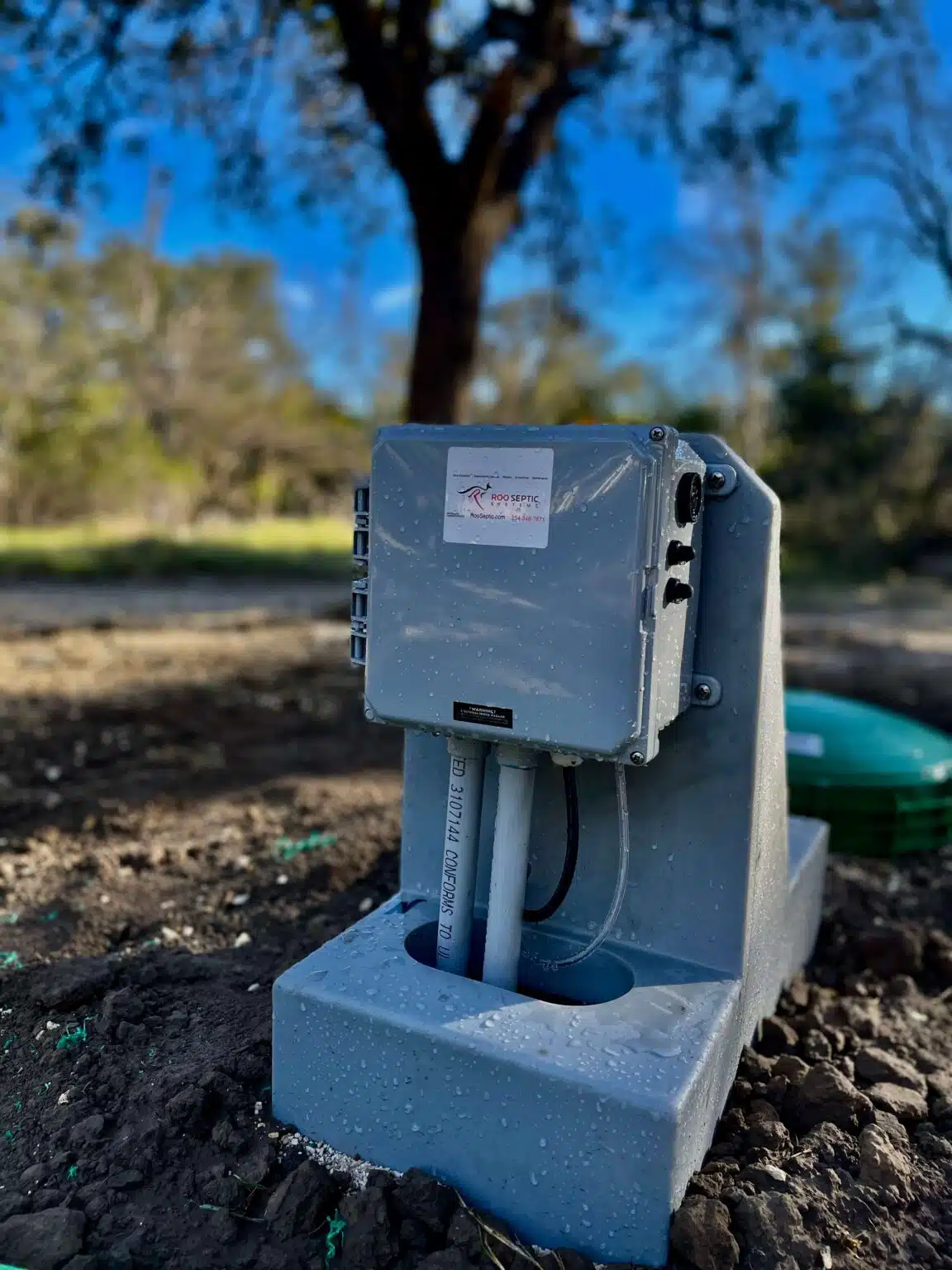
If you live in Texas and your property is not connected to a municipal sewer system, installing a septic tank is a critical step in managing wastewater safely and effectively. Proper septic tank installation Texas ensures your home operates efficiently while protecting both your property and the surrounding environment. From planning and permitting to installation and maintenance, understanding the process is essential for every homeowner.
For homeowners in Temple, TX, and surrounding areas, working with experienced local professionals ensures that your system is properly designed, installed, and compliant with state regulations. In this guide, we’ll explore everything you need to know about septic tank installation in Texas, including planning, installation, and ongoing care.
Understanding How Septic Systems Work
Before installing a septic system, it’s important to understand how it functions.
Components of a Septic System
A typical septic system includes:
- Septic Tank: A buried, watertight container that separates solids (sludge) and oils (scum) from liquid wastewater.
- Drain Field (Leach Field): A network of perforated pipes that distribute treated liquid into the soil.
- Soil Absorption System: Natural soil filtration that further treats wastewater before it reaches groundwater.
Wastewater flows from your home into the septic tank, where solids settle to the bottom and liquid effluent flows into the drain field. Proper installation ensures the system functions efficiently for years.
Importance of Proper Installation
Incorrect installation can lead to:
- Sewage backups
- Drain field failure
- Environmental contamination
- Costly repairs
This is why working with a qualified provider for septic tank installation Texas homeowners trust is essential.
Planning Your Septic Tank Installation
Proper planning is critical to ensure your septic system meets state and local requirements.
Site Evaluation
Before installation, a licensed professional will evaluate your property to determine:
- Soil type and drainage capability
- Property size and slope
- Distance from water sources, wells, and buildings
Soil percolation tests may be required to assess how well the soil absorbs wastewater. In Texas, the Texas Commission on Environmental Quality (TCEQ) regulates septic system standards, so local compliance is crucial.
Choosing the Right Tank Size
Tank size depends on:
- Number of bedrooms in your home
- Average daily water usage
- Household size
For example, a typical three-bedroom home may require a 1,000–1,250-gallon septic tank. Choosing the correct size prevents overflows and extends the system’s life.
Obtaining Permits
A permit from the local health department or county authority is usually required before installation. This ensures your system complies with Texas state regulations and environmental standards.
Steps in Septic Tank Installation in Texas
Understanding the installation process helps homeowners plan effectively.
Excavation
The first step involves digging a hole for the septic tank. Professionals measure carefully to ensure proper slope for gravity-fed wastewater flow.
Tank Placement
The septic tank is positioned in the excavated area and leveled. Concrete, fiberglass, or polyethylene tanks are commonly used in Texas. The tank must be strong enough to withstand soil pressure and occasional vehicle traffic.
Connecting to the Home
Wastewater pipes are connected from your home to the septic tank. Proper alignment ensures smooth flow and prevents blockages.
Drain Field Installation
Perforated pipes are installed in trenches filled with gravel or sand. The effluent from the tank flows through these pipes, allowing soil to naturally filter and absorb wastewater.
Final Inspection
After installation, a local inspector may verify the system meets all regulations. This step is crucial for legal compliance and ensuring your system functions correctly.
Maintenance Tips for Texas Homeowners
Once your septic tank installation Texas system is complete, regular maintenance is necessary to protect your investment.
Schedule Regular Pumping
Even properly installed tanks require pumping every 3–5 years, depending on usage. Regular pumping removes accumulated sludge and prevents backups.
Monitor Water Usage
Excessive water use can overload the system. Spread laundry loads and fix leaks promptly to reduce strain.
Avoid Flushing Harmful Materials
Do not flush wipes, grease, chemicals, or non-biodegradable items. These can disrupt bacterial breakdown and clog pipes.
Inspect the System Periodically
Have a professional inspect your septic system annually. Early detection of minor issues prevents costly repairs.
Benefits of Professional Septic Tank Installation in Texas
Hiring experienced professionals for septic tank installation Texas provides several advantages.
Compliance with State Regulations
Licensed contractors ensure that your system meets TCEQ and local health department standards.
Efficient Design and Placement
Professionals analyze soil conditions, property layout, and household needs to design a system that works efficiently and lasts longer.
Reduced Risk of System Failure
Proper installation minimizes the risk of leaks, backups, and drain field problems.
Long-Term Cost Savings
Investing in professional installation and regular maintenance protects your home and prevents costly emergency repairs.
Choosing the Right Septic Tank Installation Service
When selecting a provider in Temple, TX, consider the following:
Experience and Licensing
Choose a contractor with experience in septic tank installation Texas and proper state licensing. Verify references and past projects.
Transparent Pricing
Request detailed estimates that include tank cost, excavation, labor, and inspection fees. Avoid companies that provide vague or incomplete quotes.
Local Knowledge
Local contractors understand soil conditions, climate, and county regulations, ensuring your system meets all local requirements.
Emergency Support
Choose a company that offers maintenance and emergency services in case of unexpected issues.
Common Mistakes to Avoid
To ensure a successful installation, avoid these common errors:
- Selecting a tank that is too small for household needs
- Ignoring local permits and regulations
- Failing to evaluate soil absorption properly
- Skipping professional inspections
By planning carefully and hiring the right experts, you can prevent these problems and enjoy a long-lasting septic system.
Frequently Asked Questions (FAQs)
1. How much does septic tank installation cost in Texas?
Costs vary depending on tank size, material, and property conditions. A professional estimate will account for excavation, installation, and inspection fees.
2. How long does it take to install a septic system?
Typical residential installation can take several days to a week, depending on site conditions and weather.
3. Do I need a permit for septic tank installation in Texas?
Yes. Most counties require a permit from the local health department or regulatory agency before installation.
4. How often should my septic tank be pumped?
Most systems require pumping every 3–5 years, but frequency depends on household size and water usage.
5. Can I install a septic tank myself?
Septic tank installation requires specialized equipment, expertise, and regulatory compliance. Professional installation ensures safety, efficiency, and long-term reliability.
Conclusion
Proper septic tank installation Texas homeowners trust is essential for protecting your property, health, and environment. From planning and permitting to installation and maintenance, understanding the process helps ensure your system operates efficiently for years.
For residents of Temple, TX, and surrounding areas, working with experienced local professionals provides peace of mind, regulatory compliance, and a long-lasting system. By investing in professional installation and routine maintenance, you can avoid costly repairs, protect the environment, and enjoy the full benefits of a reliable septic system for your home.







Leave a Reply