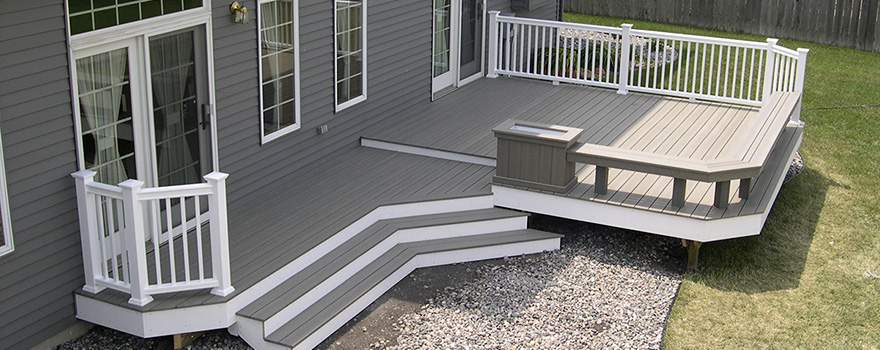
A deck should be a place to relax, not another weekend chore. If you are thinking about Maintenance-Free Decks in Stillwater, this guide will help you make the right choice from the start. You will learn what “maintenance-free” really means, which materials last the longest, how to plan for Stillwater’s weather, and how to avoid costly mistakes. By the end, you will feel confident about choosing a deck that looks great and stays strong for years. Let’s begin with what truly matters.
What Does “Maintenance-Free” Really Mean?
The term “maintenance-free” sounds perfect, doesn’t it? But here is the truth: no deck is 100% free of care. When people search for Maintenance-Free Decks in Stillwater, they are really looking for a deck that needs very little work over time. You will not need to sand, stain, or seal it every year. Instead, you may only need simple cleaning with soap and water. That small detail can save you many hours each summer. Now let’s look at why this matters so much in Stillwater.
Think About Stillwater’s Weather First
Stillwater weather can be tough on outdoor spaces. Hot sun, heavy rain, snow, and ice can all damage wood. Traditional wood decks can crack, fade, or rot over time. A smart homeowner plans for this from day one. Choosing the right material means your deck will handle these changes without warping or splitting. So what materials stand up best?
Compare the Most Popular Materials
There are three main types of decking to consider: pressure-treated wood, composite decking, and PVC decking. Wood is often cheaper at first, but it needs regular staining and sealing. Composite decking is made from wood fibers and plastic, which makes it strong and resistant to rot. PVC decking is fully synthetic and resists moisture very well. Each option has pros and cons, and the best one depends on your needs. Let’s look closer at durability next.
Durability Should Be Your Top Priority
A deck is an investment, not a short-term project. Composite and PVC decks can last 25 to 50 years with proper care. Wood decks often last 10 to 15 years before major repairs are needed. That difference is huge. Spending a bit more at the start can save you thousands later. If long life matters to you, keep reading.
Check the Warranty Carefully
A strong warranty tells you a lot about a product. Many composite brands offer 25-year or even lifetime warranties. That shows confidence in their material. Always read what the warranty covers. Does it include fading? Staining? Structural damage? Knowing this protects your money. Next, let’s talk about safety.
Safety Comes First for Families
If you have kids or pets, safety is key. Some decking materials can get slippery when wet. Look for slip-resistant surfaces, especially around pools or shaded areas. Also, check if the material stays cooler in direct sunlight. Some composite boards are designed to reflect heat. A safe deck gives you peace of mind. Now let’s talk about style.
Choose a Style That Matches Your Home
Your deck should feel like a natural part of your house. Composite and PVC boards come in many colors and textures. Some even look like real wood grain. Pick a color that matches your siding or trim. Neutral tones often stay in style longer. A good design makes your outdoor space feel bigger and more welcoming. But style is not everything—structure matters too.
Don’t Ignore the Frame and Foundation
Even the best deck boards will fail if the base is weak. The frame should be built with treated lumber or metal designed for outdoor use. Proper footings help prevent shifting or sinking. Ask about spacing between joists, because it affects how solid your deck feels underfoot. A strong base means fewer repairs later. Speaking of repairs, let’s discuss maintenance needs.
Understand the Real Maintenance Routine
Maintenance-free decks are easy to clean, but they are not invisible to dirt. Leaves, pollen, and mud can still collect. A gentle wash once or twice a year keeps the surface fresh. Avoid harsh chemicals that could damage the finish. Simple care keeps your deck looking new. Now, let’s think about budget.
Plan Your Budget Wisely
It is tempting to choose the cheapest option. But think long term. Wood may cost less upfront, yet yearly staining adds up. Composite or PVC costs more at first, but saves money over time. Make a full cost comparison, including maintenance and repairs. A smart budget decision today prevents stress tomorrow. Next, let’s talk about installation.
Professional Installation Makes a Big Difference
Even high-quality materials can fail if installed poorly. Proper spacing allows boards to expand and contract with temperature changes. Hidden fasteners create a clean look and reduce surface damage. Skilled installers follow local building codes and safety standards. Choosing experienced professionals protects your investment. And here is another important step—checking local rules.
Know the Local Building Codes
Stillwater may require permits for deck construction. There may be rules about height, railing, or distance from property lines. Following these rules avoids fines or delays. A trusted contractor will guide you through this process. Once permits are clear, you can focus on design details.
Think About Extra Features
Do you want built-in seating? Lighting? A pergola? Planning these features early makes installation easier. LED deck lights add safety and beauty at night. Built-in benches reduce the need for extra furniture. These small upgrades can turn a simple deck into your favorite spot at home. But let’s not forget resale value.
Consider Future Home Value
A well-built, low-maintenance deck can increase your home’s value. Buyers often prefer outdoor spaces that require little upkeep. A clean, modern deck adds curb appeal and makes your home stand out. This is especially helpful if you plan to sell in the future. Now let’s bring everything together.
How to Make the Final Decision
Choosing the right deck comes down to five main points: durability, weather resistance, safety, style, and long-term cost. Make a checklist before you decide. Compare materials carefully. Ask about warranties. Think about how much time you want to spend on upkeep. When all these boxes are checked, you will feel confident in your choice. And if you want expert support, there are trusted professionals ready to help.
For homeowners looking for guidance and expert craftsmanship, Elevate Renovations offers tailored solutions designed to fit your home and lifestyle. Learn more about their services at elevaterenovation.com.
Questions
Are maintenance-free decks really worth the cost?
Yes. While the upfront cost is higher than wood, you save money over time because you do not need staining, sealing, or frequent repairs.
How long do composite decks last in Stillwater weather?
Most high-quality composite decks last 25 to 50 years when installed properly and cleaned regularly.
Do maintenance-free decks fade in the sun?
Modern composite and PVC decking is made to resist fading. Many brands include fade protection in their warranty.





Leave a Reply