Choosing the right general contractor can make or break your project. Whether you are building a new home, remodeling a kitchen, or upgrading your office, the person you hire will shape the results. This guide will show you how to choose wisely, avoid common mistakes, and feel confident from start to finish. By the end, you will know exactly what to look for, what to ask, and how to protect your time and money. Let’s get started.
Start With a Clear Plan
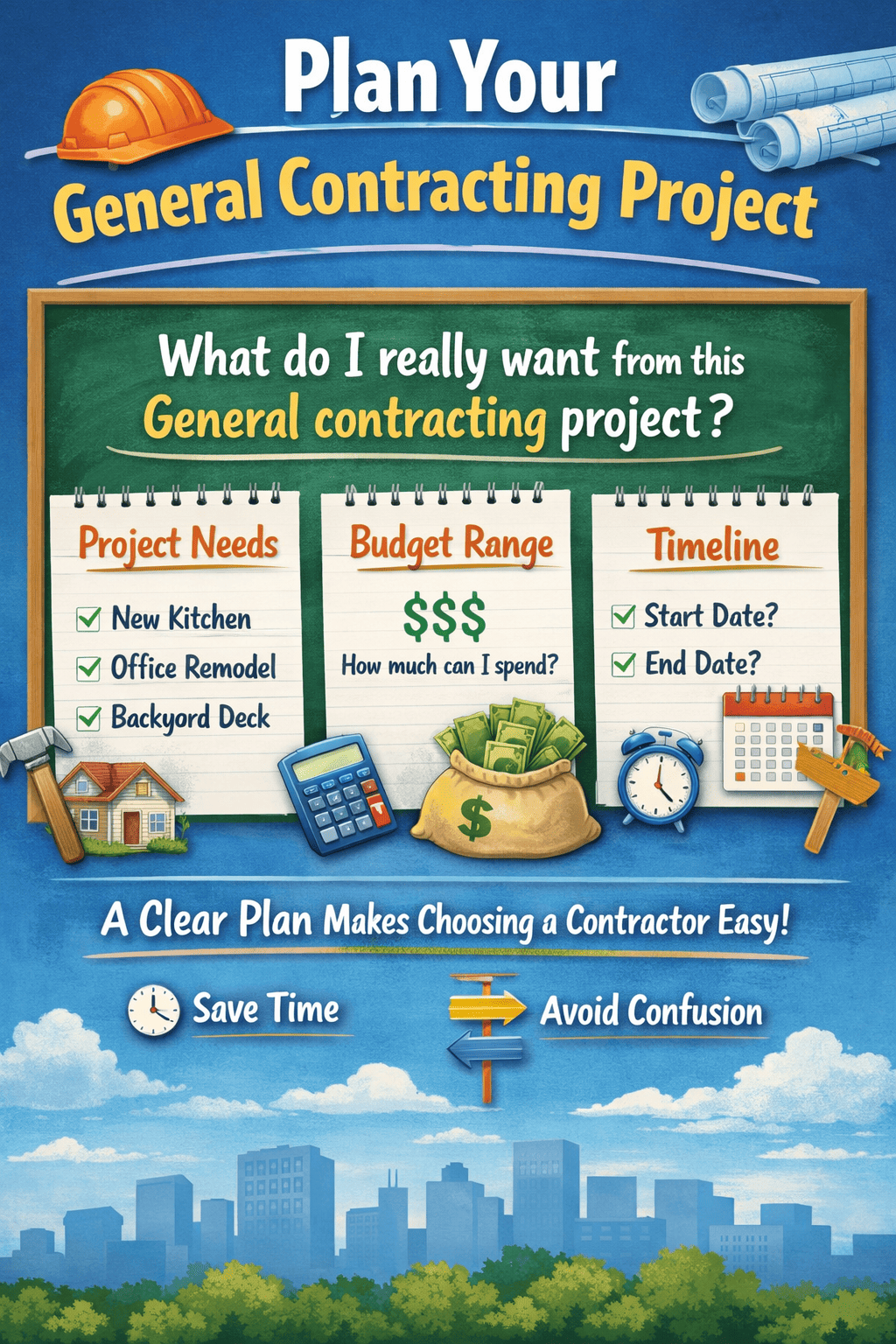
Before you call anyone, pause and ask yourself one simple question: What do I really want from this General contracting project? A clear goal is your first tool. Write down what you need, your budget range, and your timeline. The clearer you are, the easier it will be to explain your project.
When you know your plan, you can quickly see which contractor fits your job best. This saves time and helps you avoid confusion later. A good start leads to a smooth finish—so take a few minutes to get focused before moving ahead.
Ask for Real Recommendations
The best leads often come from people you trust. Ask friends, family, neighbors, or coworkers about their experiences. Did the contractor finish on time? Was the cost fair? Was the team respectful?
Personal stories give you insight you won’t find online. They also help you spot patterns. If many people praise the same company, that is a strong sign. Now that you have a few names, it’s time to dig deeper.
Check Licenses and Insurance
This step is not exciting, but it is very important. A reliable contractor must have the right license for your area. They must also carry insurance, including liability and worker’s compensation.
Why does this matter? Because it protects you. If an accident happens on your property, you don’t want to be responsible. Ask for proof and verify it if needed. A true professional will not hesitate to show you.
With safety covered, you can move forward with more confidence.
Look at Past Work
A contractor’s past projects tell a story. Ask to see photos, visit a finished project if possible, or review a portfolio. Look at the details. Are the finishes neat? Do the designs match the client’s goals?
You can also ask for references. Speak directly to past clients and ask simple questions: Were you happy? Did the contractor solve problems quickly? Would you hire them again?
The answers will help you picture what your own project might look like.
Interview More Than One Contractor
Never settle for the first estimate. Meet at least three contractors and compare their ideas. During each meeting, notice how they listen. Do they answer your questions clearly? Do they explain things in simple words?
A good contractor does not rush you. They make sure you understand every step. This early communication often shows how the full project will go. Choose someone who makes you feel heard and respected.
Ready for the next step? Let’s talk about pricing.
Understand the Estimate
An estimate should be clear and detailed. It must include labor, materials, permits, and any other costs. If something is missing, ask about it. Hidden costs can cause stress later.
Do not always choose the lowest price. A very low bid can mean cheap materials or rushed work. Instead, look for fair pricing and clear explanations. A balanced estimate shows honesty and planning.
Once you understand the numbers, you can move on to contracts.
Always Get a Written Contract
A handshake is friendly, but a contract is protection. Make sure everything is written down. This includes the scope of work, payment schedule, timeline, and warranty details.
Read the contract slowly. If something is unclear, ask for changes before signing. A professional contractor wants you to feel secure. A strong contract keeps both sides safe and reduces conflict.
Now that the paperwork is set, let’s talk about timelines.
Set a Realistic Timeline
Every project takes time. Weather, supply delays, and small surprises can slow things down. Ask your contractor for a realistic schedule and talk about possible delays.
A good contractor will not promise magic results overnight. Instead, they will explain each phase of the job. This helps you plan your life around the project and avoid stress.
Clear timing builds trust and keeps everyone on track.
Watch Communication Style
Strong communication is the heart of every successful project. Pay attention to how quickly your contractor replies to calls or messages. Notice if they update you regularly.
You should never feel confused about what is happening. Ask how often you will receive progress reports. Good communication prevents small problems from becoming big ones.
If you feel comfortable talking with them now, you will likely feel comfortable during the project too.
Check Problem-Solving Skills
No project is perfect. At some point, something may not go as planned. The key is how your contractor handles it. Ask them about a past challenge and how they solved it.
Their answer will reveal their mindset. Do they stay calm? Do they offer solutions instead of excuses? A skilled contractor sees problems as part of the process, not as disasters.
This quality can save you money and stress in the long run.
Review Payment Structure
Be careful with payment terms. Most contractors ask for a deposit, but it should not be too high. Payments should match project milestones. For example, you pay part when framing is complete, another part when plumbing is finished, and so on.
Avoid paying the full amount upfront. A clear payment plan protects you and motivates steady progress.
With money matters handled, let’s focus on quality control.
Ask About Subcontractors
Many contractors hire subcontractors for plumbing, electrical work, or roofing. Ask who will be working on your project. Are they licensed and experienced?
A good contractor chooses skilled partners and supervises their work. This ensures consistency and high standards. Knowing who is on your property gives you peace of mind.
Now you’re almost ready to decide.
Trust Your Instincts
After checking licenses, reviews, contracts, and communication, take a moment to reflect. How do you feel about this contractor? Do you trust them?
Your instincts matter. If something feels off, keep looking. The right contractor will make you feel confident, not worried.
Choosing carefully now will reward you later with a smoother project.
Think Long-Term Value
The cheapest option is not always the best. High-quality work lasts longer and reduces future repairs. Ask about warranties and post-project support.
A contractor who stands by their work shows pride and professionalism. Long-term value saves money and stress over time.
When you choose wisely, you invest in peace of mind.
Final Thoughts
Choosing the right contractor takes effort, but it is worth it. Start with a clear plan. Ask for trusted referrals. Verify licenses and insurance. Compare estimates carefully. Sign a detailed contract. Focus on communication, problem-solving skills, and long-term value.
When you follow these steps, you reduce risk and increase success. Your project becomes an exciting journey instead of a stressful burden. And if you ever need expert guidance in General contracting, trusted professionals like Elmontedge Group can provide reliable solutions tailored to your needs. Learn more at elmontedgegroup.com.
FAQs
How many contractors should I interview?
You should interview at least three contractors. This helps you compare prices, ideas, and communication styles before making a decision.
Why is a written contract important?
A written contract protects both you and the contractor. It clearly explains costs, timelines, and responsibilities so there are no surprises later.
Should I choose the lowest bid?
Not always. A very low bid may mean lower quality materials or rushed work. Choose a fair price with clear details instead of the cheapest option.





Leave a Reply