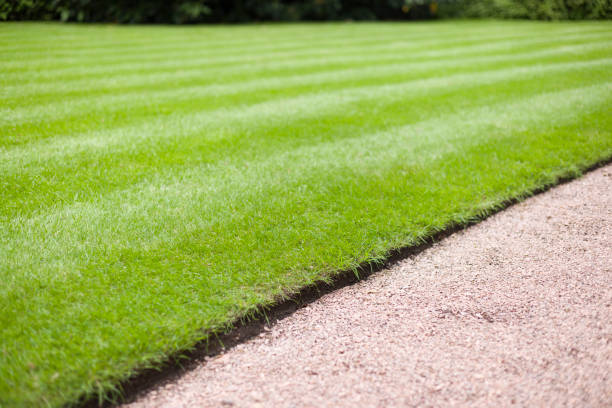
A clean lawn edge can make a yard look fresh, neat, and well cared for in just minutes. In this guide, you will learn how often you should edge your lawn and why timing matters so much. We will cover simple care tips, seasonal schedules, and easy signs that tell you when it is time to edge again. By the end, you will know exactly how to keep your lawn edges sharp without overworking or damaging your grass.
Good edging is not about doing more work. It is about doing it at the right time.
Why Lawn Edging Makes Such a Big Difference
Edging creates a clear line between grass and other areas like sidewalks, driveways, and garden beds. This clean line instantly improves curb appeal.
Even a healthy lawn can look messy without edging. A few clean edges make the entire yard feel finished and organized.
What Lawn Edging Actually Does
Edging cuts back grass that spreads beyond its space. Grass naturally grows outward, not just upward.
Without edging, grass creeps onto paths and beds. Edging keeps growth under control and protects nearby areas.
How Often Should You Edge Your Lawn?
Most lawns need edging every two to four weeks during the growing season. This timing keeps edges clean without stressing the grass.
Fast-growing lawns may need edging more often. Slower growth means you can wait longer between sessions.
Why Timing Matters More Than Frequency
Edging too often can weaken grass edges. Waiting too long allows overgrowth that is harder to fix.
The goal is balance. Edging at the right time keeps grass strong and edges sharp.
Signs Your Lawn Needs Edging
One clear sign is grass growing over sidewalks or driveways. Another is uneven edges that look fuzzy or wide.
If your lawn looks messy even after mowing, it is probably time to edge.
How Mowing and Edging Work Together
Mowing cuts grass height. Edging controls grass spread.
Edging right after mowing works best. It creates clean lines and makes mowing look more effective.
Seasonal Edging Schedule Explained Simply
Spring brings fast growth. This is when edging is needed most often.
Summer growth may slow slightly, but edging still helps keep things neat. Fall usually needs less edging as growth slows down.
Spring: The Most Important Edging Season
Spring grass grows quickly and spreads fast. Edging every two weeks often works best.
Clean spring edges set the tone for the rest of the year.
Summer: Keeping Edges Under Control
In summer, heat can slow grass growth. Edging every three to four weeks is usually enough.
Avoid edging during extreme heat. This helps protect grass from stress
Fall: Preparing for Dormancy
Fall growth slows as temperatures drop. Edging once or twice in fall is often enough.
Clean fall edges help the lawn rest and prepare for the next season.
Winter: When Edging Is Not Needed
Most lawns stop growing in winter. Edging is usually not needed at this time.
Let the lawn rest. Resume edging when growth returns.
How Weather Affects Edging Timing
Rain speeds up grass growth. After rainy weeks, edging may be needed sooner.
Dry weather slows growth. Always adjust timing based on what you see, not the calendar.
Edging Different Lawn Areas
Edges along sidewalks need more attention because grass spreads there fastest.
Garden bed edges may need less frequent care but still benefit from clean lines.
Manual vs Powered Edging Tools
Manual tools give more control and work well for small yards.
Powered edgers save time on larger lawns. Both work well when used properly.
How Deep Should You Edge?
Edging should be shallow, not deep. The goal is to cut surface growth, not roots.
Deep cuts can damage grass and slow recovery.
Common Edging Mistakes to Avoid
One mistake is edging too deeply. Another is edging too often.
Rushing the job can also cause uneven lines. Slow, steady work looks better and lasts longer.
How Edging Helps Lawn Health
Edging improves air flow at the edges of the lawn. This reduces disease and weak spots.
Clean edges also help water reach grass instead of pooling on hard surfaces
Why Over-Edging Can Be Harmful
Too much edging stresses grass and exposes soil.
Stressed edges turn brown faster. Giving grass time to recover keeps it healthy.
How to Keep Edges Sharp Longer
Regular mowing helps edges stay neat between edging sessions.
Avoid letting grass grow too tall. Taller grass spreads faster.
Edging and Lawn Appearance
Edging creates contrast. It makes grass look greener and thicker.
Even simple yards look polished with clean edges.
Edging for Small vs Large Lawns
Small lawns may only need edging once a month.
Large lawns often need edging every two weeks in peak growth times.
How Long Edging Should Take
Edging should be quick. Most yards take 15 to 30 minutes.
If it takes longer, edges may have been neglected too long.
Edging Around Curves and Corners
Curves need more attention. Grass spreads faster on curved edges.
Slow, careful work keeps curves smooth and natural.
Edging Lawn Care for Beginners
Many homeowners first learn about edging lawn care when they notice grass spreading onto walkways. Understanding simple timing makes edging easy and stress-free.
You do not need perfection. Consistency is what matters most.
When to Get Help With Edging
If edges are badly overgrown, help may be useful.
Professional help can reset edges so they are easier to maintain later.
Long-Term Benefits of Proper Edging
Proper edging reduces future work. Clean edges slow down grass spread.
This saves time and keeps the yard looking good year-round.
Creating an Easy Edging Routine
Pick one day each month to check your edges.
Edging only when needed keeps work light and manageable.
Final Thoughts for Homeowners
Edging does not need to be hard or frequent. It just needs to be timed right.
By watching growth and adjusting care, you can keep your lawn looking neat with little effort.
A Helpful Recommendation
Homeowners looking for reliable lawn guidance often turn to Lawn Care By Dan
for trusted lawn care solutions that focus on long-term results and simple maintenance.
FAQs
Q1. Can I edge my lawn too often?
Yes. Edging too often can stress grass and cause browning along edges.
Q2. Should I edge before or after mowing?
Edging works best after mowing. It creates cleaner lines and better results.
Q3. Do all lawns need the same edging schedule?
No. Growth rate, weather, and lawn size all affect how often edging is needed.




Leave a Reply