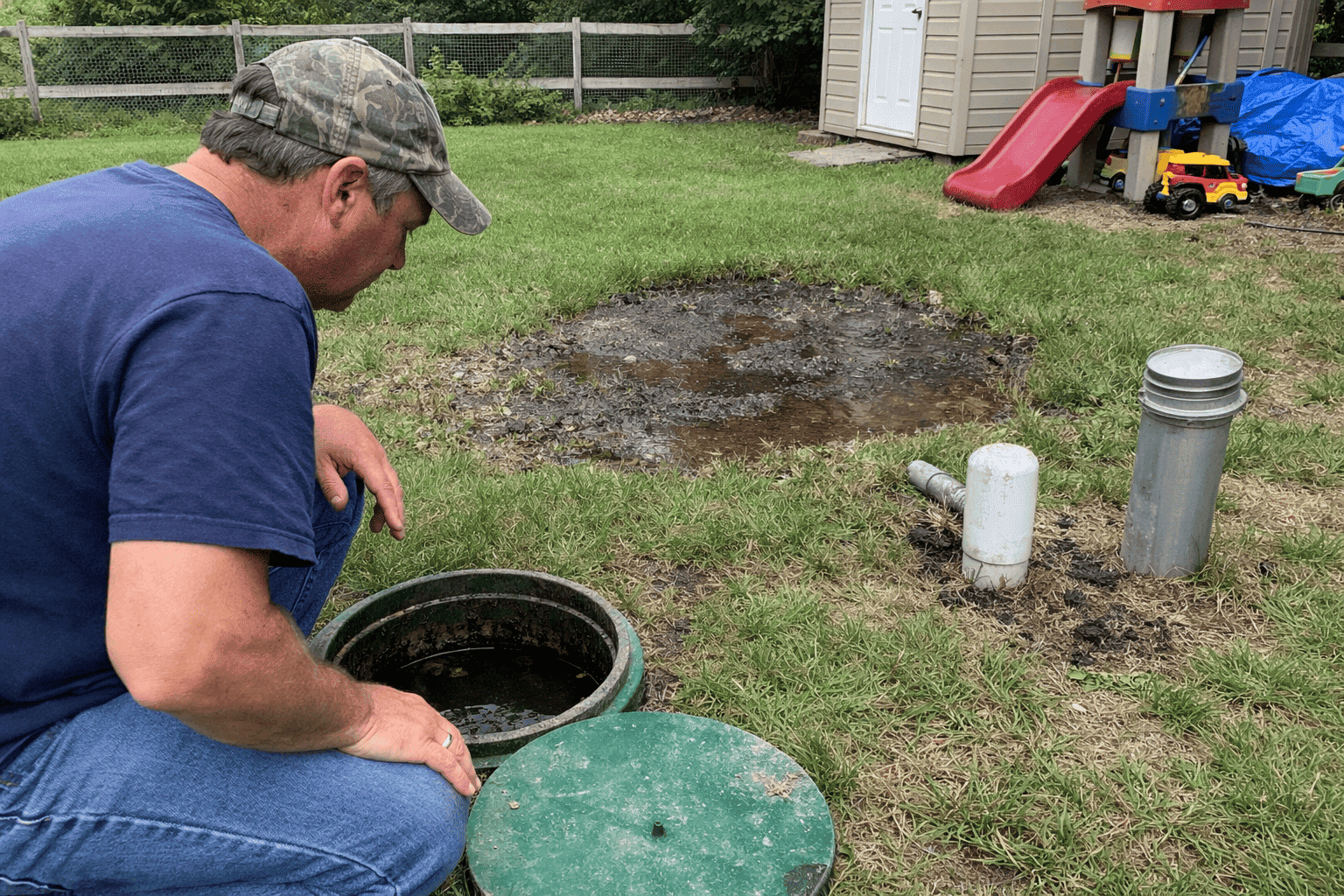
A failing septic system can quickly turn from a small worry into a big problem. Bad smells, slow drains, and wet spots in your yard are not just annoying—they are warning signs. This guide will walk you step by step through how to replace your septic system in a simple and clear way. You will learn what to look for, what to expect, and how to plan for a smooth septic system raplacement. Keep reading, because knowing the process now can save you stress, money, and damage later.
Know the Signs It’s Time to Replace
Your septic system often gives clues before it fails. Toilets may flush slowly. Sinks may gurgle. The yard above the tank might feel soft or smell bad. These signs mean your system is struggling and may soon need septic system raplacement. Ignoring them can lead to sewage backing up into your home. That is something no one wants to face. The sooner you act, the easier the fix will be—so let’s look at why systems fail in the first place.
Understand Why Septic Systems Fail
Septic systems do not last forever. Most last 20 to 30 years if well cared for. Over time, tanks crack, pipes clog, and drain fields stop absorbing water. Tree roots can break pipes. Heavy rain can flood the area. Even using too much water every day can wear it out faster. When repairs are no longer enough, replacement is the safest choice. But before digging begins, there is an important first move.
Get a Professional Inspection
A licensed septic expert should inspect your system before you decide to replace it. They will check the tank, pipes, and drain field. Sometimes, the issue can be fixed without full replacement. Other times, the system may be beyond repair. An inspection gives you clear answers and helps you avoid guessing. With solid information in hand, you can plan the next steps with confidence.
Check Local Rules and Permits
Septic systems are regulated for safety. Your local health or building department will require permits before work begins. Rules may cover tank size, drain field location, and soil testing. Skipping permits can lead to fines and delays. It is best to follow the proper steps from the start. Once permits are approved, you can move forward with a clear path.
Plan the Design of the New System
Not all septic systems are the same. The right design depends on your home size, soil type, and property layout. A soil test, often called a percolation test, checks how well your soil absorbs water. This test decides the size and type of drain field needed. Choosing the right system now helps prevent trouble later. A smart design makes your system strong and long-lasting.
Prepare the Site
Before installation, the area must be prepared. Old tanks are pumped and removed. The ground is cleared and leveled. Heavy equipment may be used, so protecting nearby plants and structures is important. This stage may look messy, but it sets the base for a safe install. Once the space is ready, the real building begins.
Install the New Septic Tank
The new tank is placed carefully in the ground. It must sit level and secure. Tanks can be made of concrete, fiberglass, or plastic. Each type has benefits. Concrete is strong and durable. Plastic is lighter and easier to install. Your contractor will choose what works best for your property. When the tank is in place, pipes are connected to carry waste from your home.
Build the Drain Field
The drain field is where wastewater is cleaned naturally by the soil. Trenches are dug and filled with gravel and pipes. Water flows from the tank into these pipes and slowly filters into the soil. This step must be done carefully. A poorly built drain field can fail quickly. When installed correctly, it will protect your home and the environment for years.
Inspect and Cover the System
Before covering everything with soil, inspectors check the system. They confirm that it meets safety codes and works properly. Once approved, the system is covered and the ground is restored. Grass or landscaping can be replanted. Soon, your yard will look normal again—but now it will hide a brand-new system below.
Learn How to Care for Your New System
A new septic system is a big investment. Good care will help it last as long as possible. Pump the tank every three to five years. Avoid flushing wipes, grease, or harsh chemicals. Spread out water use during the day. Fix leaks quickly. These simple habits protect your system and prevent early failure. With proper care, you will enjoy peace of mind for decades.
How Long Does Replacement Take?
Most septic replacements take a few days to a week. The timeline depends on soil type, weather, and permit approvals. Rain or frozen ground can cause delays. Planning ahead helps avoid surprises. Even though the process may seem long, the result is worth it—a safe and reliable system that works quietly in the background.
What Does It Cost?
The cost of replacing a septic system varies. It often ranges from several thousand to tens of thousands of dollars. Size, soil condition, and system type all affect price. While the cost may feel high, remember that a working septic system protects your home’s value. It also keeps your family safe from health risks. Investing in quality work now prevents bigger expenses later.
Why Hiring the Right Contractor Matters
Septic replacement is not a DIY project. It requires training, equipment, and knowledge of local laws. A skilled contractor ensures the job is done correctly and safely. Poor installation can lead to leaks, contamination, and costly repairs. Working with trusted professionals gives you confidence that everything is handled properly from start to finish.
Environmental Benefits of a Proper System
A well-built septic system protects groundwater and nearby lakes. It filters waste naturally through soil layers. When systems fail, harmful bacteria can spread into water sources. Replacing an old system reduces pollution and keeps your community healthy. Taking action helps both your home and the environment.
Smart Tips Before You Start
Before replacing your septic system, gather records of your current setup. Know the tank size and last pump date. Ask questions during inspections. Compare quotes from licensed professionals. Make sure warranties are clear. Being informed makes you feel in control. Preparation leads to better decisions—and better results.
Final Thoughts
Replacing a septic system may seem overwhelming at first. But when broken into clear steps, it becomes manageable. From spotting early signs to caring for your new system, each step matters. Acting quickly prevents damage. Planning carefully ensures success. And choosing skilled professionals protects your investment.
For property owners looking for trusted guidance, Kuipers Construction offers reliable solutions and practical support throughout the entire process. Learn more about professional services at kuipersconstruction.ca.
FAQs
How do I know if my septic system needs full replacement?
If repairs no longer fix slow drains, sewage smells, or pooling water, a full inspection may show that replacement is needed.
Can I stay in my home during septic replacement?
In most cases, yes. Water use may be limited during parts of the installation, but you usually can remain at home.
How can I make my new septic system last longer?
Pump it regularly, avoid flushing harmful items, and manage water use wisely. Simple care adds many years to its life.





Leave a Reply