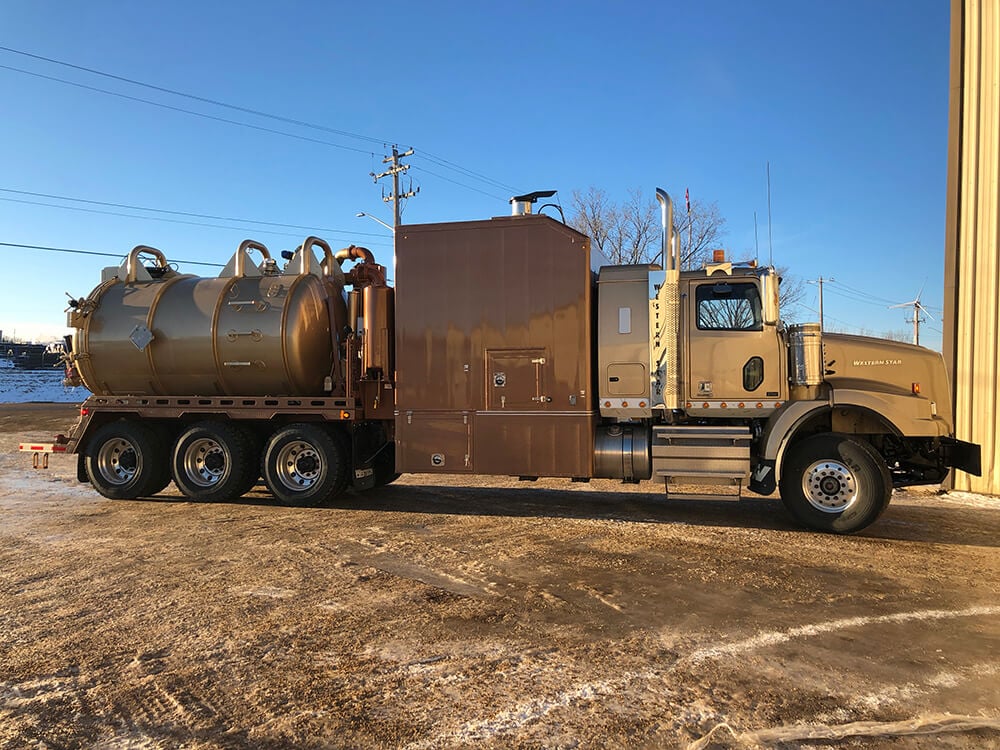
Heavy cleaning work is often slow, messy, and expensive. Jobs like sewer cleaning, industrial waste removal, and deep pit cleaning usually need more than one machine and more than one crew. That means more time, more fuel, and higher costs. This is where a combo vac truck makes a big difference. In this guide, you’ll learn how this single machine helps finish tough cleaning jobs faster, safer, and at a lower cost—without cutting corners. By the end, you’ll clearly see why so many crews now rely on one smart solution instead of many separate ones.
Why Heavy Cleaning Jobs Take So Much Time
Heavy cleaning is not like normal cleaning. It involves thick sludge, wet waste, sand, stones, and liquid mixed together. Many older methods need one truck to suck liquids and another to move solid waste. Crews must stop, switch tools, and reset equipment. Each stop wastes time and energy, slowing the whole job down.
One Machine Instead of Two Changes Everything
The biggest time saver comes from using one truck that does multiple tasks. Instead of bringing separate machines, crews use one vehicle that can handle both wet and dry waste. Fewer machines mean fewer delays, fewer workers, and less setup time. This simple change speeds up every stage of the job.
How Combination Cleaning Works in Simple Terms
Combination cleaning means vacuuming liquid and solid waste at the same time or one after another. Strong suction pulls debris into a sealed tank. High-pressure water breaks down hard material. Everything happens in one smooth flow. Because nothing needs to be moved or transferred, work keeps going without pauses.
Faster Setup Means Faster Results
Time is often lost before cleaning even begins. Setting up hoses, pumps, and safety zones can take hours. With a combo system, setup is easier because fewer tools are needed. Crews arrive, connect, and start working sooner. This fast start helps jobs finish earlier the same day.
Less Downtime Between Tasks
Stopping work costs money. When workers wait for another truck or tool, progress slows. Combo systems reduce downtime by letting crews switch tasks instantly. They can vacuum, flush, and clean without stopping. This smooth workflow keeps the job moving from start to finish.
Lower Fuel Costs Add Up Quickly
Running two trucks burns twice the fuel. Fuel costs rise fast, especially on long jobs. One truck doing the work of two cuts fuel use almost in half. Over weeks and months, this saves a large amount of money for contractors and service companies.
Fewer Workers, Same Output
Labor is one of the biggest costs in heavy cleaning. Traditional methods often need large teams. Combo cleaning allows smaller crews to do the same work. Fewer workers mean lower wages, fewer safety risks, and simpler job management—without lowering job quality.
Smart Design Reduces Cleaning Time
The design of modern combination trucks focuses on speed. Strong pumps, wide hoses, and large tanks reduce the number of trips needed. Crews can clean more area before emptying the tank. Fewer trips mean less driving time and faster project completion.
Safer Jobs Mean Fewer Delays
Accidents slow work and raise costs. Combo systems improve safety by keeping waste sealed inside the truck. Less handling means fewer spills and fewer injuries. Safer jobs move faster because there are fewer stops for cleanup or inspections.
Better Cleaning in Less Time
Strong water jets break down hard waste quickly. Powerful suction removes it right away. This deep cleaning prevents repeat work later. Doing the job right the first time saves both time and money in the long run.
Ideal for Many Types of Heavy Cleaning
Combo cleaning works well in many settings. It handles sewer lines, storm drains, industrial tanks, and construction sites. One truck can move from job to job without special changes. This flexibility helps companies take on more work without buying more equipment.
Fewer Maintenance Costs
Running fewer machines lowers maintenance needs. One well-built truck is easier to service than two separate ones. Fewer oil changes, fewer parts, and fewer repairs all reduce costs. Over time, this creates big savings.
Less Project Delay for Clients
Clients care about speed. Faster cleaning means less downtime for factories, roads, and buildings. When work finishes early, clients are happier and more likely to call again. Happy clients lead to steady work and long-term savings.
Easy Training Saves Time
Training workers on many machines takes time. Combination systems are easier to learn because everything is in one place. Simple controls help new workers become productive faster. Faster training means less lost time and lower training costs.
Better Planning and Scheduling
With one truck handling many tasks, planning becomes easier. Fewer vehicles mean simpler schedules. Jobs are easier to estimate, and crews arrive better prepared. Good planning avoids surprises that slow work down.
Strong Performance in Tight Spaces
Some sites are small or hard to reach. Using many trucks in tight areas causes delays. One compact but powerful machine works better in these spaces. This allows work to continue without moving vehicles around.
Long-Term Savings Matter Most
The biggest savings are seen over time. Lower fuel, lower labor, fewer repairs, and faster jobs all add up. Companies that switch to combo cleaning often see better profits without raising prices.
Why This Method Keeps Growing
As industries look for smarter ways to work, combination cleaning keeps gaining popularity. It fits modern needs: faster jobs, lower costs, and safer work. This is why more companies choose this method each year.
Simple Takeaway
Heavy cleaning does not have to be slow or costly. Using one powerful system instead of many tools saves time at every step. It reduces fuel use, labor costs, and job delays. The result is faster work and better results for everyone involved.
FAQs
Q1. What types of waste can be cleaned with combination cleaning?
It can handle liquids, sludge, sand, gravel, and mixed waste commonly found in industrial and sewer jobs.
Q2. Is combination cleaning safe for the environment?
Yes. Waste stays sealed inside the tank, reducing spills and helping protect soil and water.
Q3. Does faster cleaning reduce quality?
No. Strong suction and high-pressure water often clean deeper and more thoroughly than older methods.





Leave a Reply