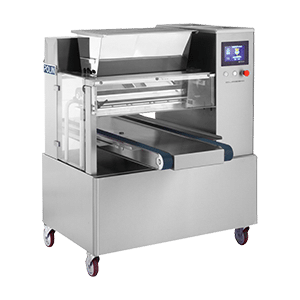
Choosing the right bakery equipment is not just about buying ovens and mixers. It is about making smart choices that protect your money for years. The right tools lower energy bills, reduce repair costs, speed up work, and keep product quality high. In this guide, you will learn how to choose equipment that saves money long-term, avoids costly mistakes, and helps your bakery grow with confidence. Let’s start with the most important step.
Start with a Clear Plan, Not a Catalog
It is exciting to look at shiny machines. But buying without a plan leads to waste. Before you shop, ask simple questions. What will you bake every day? How many items will you produce? How much space do you have? When you know your daily needs, you avoid buying machines that are too big, too small, or rarely used. That simple clarity protects your budget from day one.
Focus on Long-Term Cost, Not Just the Price Tag
The cheapest machine often costs the most over time. A low price can hide high energy use, weak parts, and frequent repairs. Instead of asking, “How much does it cost?” ask, “How much will it cost over five years?” Look at power use, maintenance needs, and expected lifespan. A slightly higher upfront cost can mean big savings later. Smart buyers think beyond today.
Choose Energy-Efficient Equipment
Energy is one of the biggest bakery expenses. Ovens, proofers, and refrigerators run for long hours. Energy-efficient machines use better insulation, modern heating systems, and smart controls to reduce power use. Even small savings each day turn into large savings each year. When you compare options, check energy ratings and ask about real operating costs. Lower bills mean stronger profits.
Buy the Right Size for Your Production
Bigger is not always better. An oversized oven wastes energy when not fully loaded. A mixer that is too small forces extra batches and more labor. Match equipment capacity to your daily output. Think about growth, but be realistic. It is better to upgrade later than to overspend now. Proper sizing keeps both costs and stress under control.
Look for Durable Materials
Strong equipment lasts longer. Stainless steel frames resist rust and are easy to clean. Heavy-duty motors handle daily use without strain. Cheap materials may look fine at first but wear out fast. Replacing parts again and again drains your budget. When you invest in solid construction, you invest in fewer headaches. Durability equals savings.
Check Maintenance and Service Support
Even the best machines need care. Before buying, ask how easy it is to clean and maintain. Are spare parts easy to find? Is technical support available? Equipment that is hard to repair can stop production and cost you sales. Fast service and available parts reduce downtime. Reliable support protects your daily income.
Choose Multi-Function Equipment When Possible
Some machines can do more than one job. For example, certain mixers can handle dough, batter, and cream with different attachments. A combi oven can bake, steam, and roast. Multi-use equipment saves space and reduces the number of machines you need to buy. Fewer machines mean lower purchase costs, lower energy use, and easier maintenance.
Consider Automation to Reduce Labor Costs
Labor is another major expense. Automated dividers, sheeters, and depositors reduce manual work. They also improve consistency and reduce waste from human error. While automated equipment costs more upfront, it can lower payroll expenses and increase production speed. Over time, that balance often favors automation. Saving time means saving money.
Think About Waste Reduction
Every gram of wasted dough or burnt bread is lost profit. Precision equipment helps control temperature, mixing time, and portion size. Accurate controls reduce overbaking and product waste. Machines with digital timers and programmable settings improve consistency. Better control leads to fewer mistakes. Fewer mistakes lead to better margins.
Evaluate Cleaning Efficiency
Cleaning takes time and labor. Equipment with smooth surfaces, removable parts, and easy access panels makes cleaning faster. This reduces labor hours and keeps food safe. Poor design can trap flour and grease, leading to extra work and possible hygiene problems. Easy cleaning protects both your staff and your savings.
Plan Your Kitchen Layout Carefully
A smart layout reduces movement and saves time. Place mixers near prep tables and ovens near cooling racks. When staff walk less, they work faster and get less tired. Efficient workflow improves productivity without adding extra machines. Sometimes, smart planning saves more money than buying new equipment. A well-planned space supports every machine you choose.
Compare Brands with a Long-Term View
Well-known brands often invest in research and strong materials. Lesser-known brands may offer lower prices but less durability. Read reviews. Ask other bakery owners about their experiences. Find out how long their machines lasted. Real-world feedback is powerful. Learning from others helps you avoid costly mistakes.
Check Warranty and After-Sales Policies
A strong warranty shows confidence in the product. Look for clear coverage on parts and labor. Understand what is included and for how long. Extended warranties can be helpful if the equipment runs heavily every day. Clear policies reduce surprise expenses. Knowing you are protected gives peace of mind.
Balance New and Refurbished Equipment
Buying all new equipment is not always necessary. High-quality refurbished machines can offer great value if inspected properly. Check condition, service history, and warranty. For key production items like ovens, investing in new equipment may be safer. For secondary tools, refurbished options may save money. Balance is key.
Understand Total Cost of Ownership
Total cost of ownership includes purchase price, energy use, maintenance, repairs, and resale value. Some equipment keeps value well and can be sold later if you upgrade. Others lose value quickly. Think about the full life cycle. This wider view helps you make smarter financial decisions. Long-term thinking protects your business.
Invest in Training for Your Team
Even the best equipment fails if used incorrectly. Train your staff to operate machines properly. Show them how to clean and maintain equipment. Proper use extends lifespan and reduces breakdowns. Training may seem small, but it prevents costly mistakes. Skilled operators protect your investment every day.
Choose Equipment That Supports Growth
Your bakery may grow in two or three years. Choose equipment that allows moderate expansion without full replacement. Modular systems, stackable ovens, or upgradeable controls give flexibility. Planning for smart growth avoids large replacement costs later. Think ahead, but avoid overbuying today.
Work with Reliable Industry Experts
Buying equipment alone can be confusing. Working with trusted suppliers who understand commercial bakery equipment helps you choose wisely. Experts can recommend models based on your production size, budget, and goals. They may also offer guidance on layout, efficiency, and maintenance planning. Professional advice reduces risk and improves results.
Make Data-Driven Decisions
Track your production numbers. Know how many units you bake daily and your average waste percentage. Calculate labor hours and energy costs. When you have real data, you can measure how new equipment will impact your expenses. Guesswork leads to mistakes. Data leads to smart investment.
Prioritize Safety Features
Safety problems cause downtime and medical costs. Equipment with safety guards, emergency stop buttons, and temperature controls protects staff. A safe kitchen runs smoothly. Fewer accidents mean fewer unexpected costs. Safety is not just about compliance. It is about protecting your team and your profit.
Avoid Impulse Buying at Trade Shows
Trade shows are exciting. Discounts look attractive. But do not buy equipment without comparing options. Take notes. Review specs later. Check energy use and maintenance needs. A calm decision saves more money than a quick deal. Patience is powerful in equipment buying.
Review Financing Options Carefully
Leasing or financing may help preserve cash flow. But always calculate total payments over time. Interest can increase overall cost. Compare financing with direct purchase options. Choose what keeps your bakery financially stable. A healthy cash flow is just as important as good equipment.
Final Thoughts: Smart Choices Build Strong Bakeries
Choosing bakery equipment is one of the biggest decisions for any bakery owner. The right machines reduce energy bills, cut labor costs, limit waste, and last for many years. The wrong choices create stress and drain profits. When you plan carefully, compare long-term costs, and focus on durability and efficiency, you build a bakery that stays strong.
If you are looking for guidance and reliable solutions, consider exploring trusted suppliers like Bakery Equipment , who specialize in helping bakeries find practical, cost-saving solutions for long-term success.
FAQs
Q1. What is the most important factor when choosing bakery equipment?
The most important factor is the total long-term cost, not just the purchase price. Consider energy use, maintenance, durability, and lifespan.
Q2. Should I buy new or refurbished bakery equipment?
Both can be good choices. New equipment offers reliability and warranty coverage. Refurbished equipment can save money if properly inspected and supported.
Q3. How can bakery equipment reduce labor costs?
Automated and multi-function machines reduce manual work, improve speed, and increase consistency. This lowers payroll costs and reduces product waste.





Leave a Reply