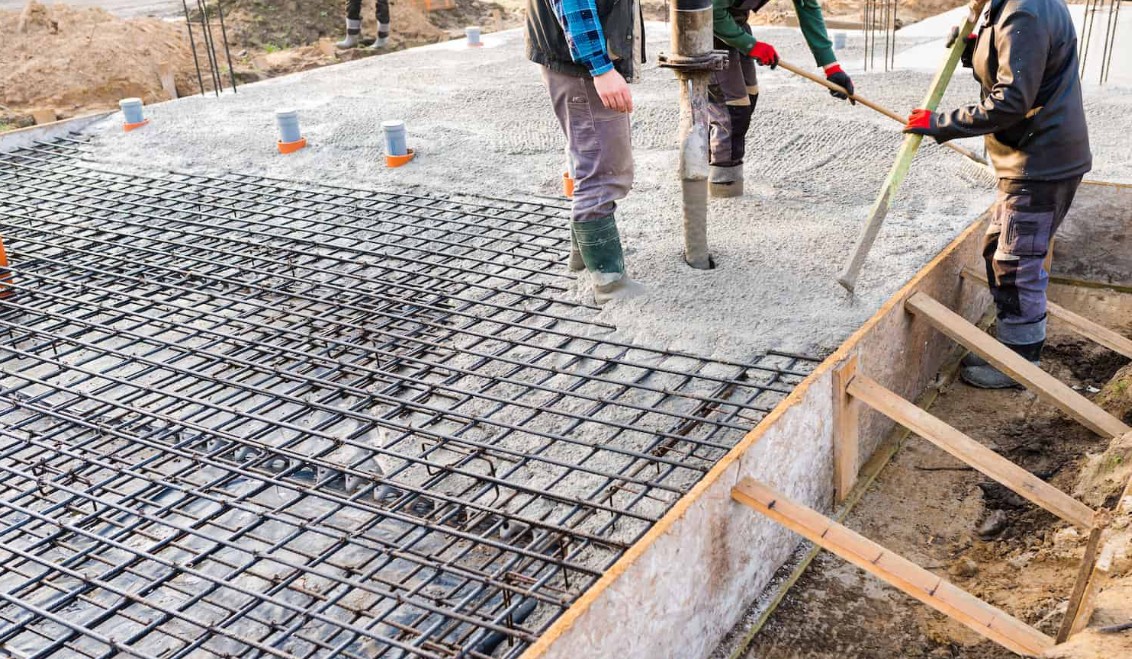
Before any building begins, one question always comes first: how much will the foundation cost? A foundation is not just concrete in the ground. It is the base that supports the entire structure. This guide breaks down concrete foundation costs in a clear, simple way. You’ll learn what affects price, where money is usually spent, and how to plan a budget without stress or surprises.
Why foundation cost matters more than most people think
A foundation supports everything above it. If it is weak, the whole building suffers. Fixing foundation problems later is expensive and stressful. Spending wisely at the start protects your building and your budget long term.
What a concrete foundation actually includes
A foundation is more than poured concrete. It includes ground work, forms, reinforcement, and curing time. Each part adds to the total cost. Understanding these parts helps explain why prices vary so much.
Average cost ranges explained simply
Concrete foundation costs depend on size, type, and location. Small projects cost less. Larger buildings cost more. There is no single price that fits every project. Knowing the main factors helps you estimate more accurately.
Size is the biggest cost driver
Bigger foundations need more concrete, labor, and time. A larger footprint means higher material and delivery costs. Even small size changes can affect the final price more than expected.
Thickness and strength also change the price
Thicker slabs use more concrete. Stronger mixes cost more than standard ones. These choices increase durability and safety. Paying more upfront often saves repair costs later.
Ground condition plays a major role
Soft or uneven soil needs extra work. Poor ground requires grading, compaction, or added support. Better soil lowers prep costs. Soil quality is one of the biggest hidden cost factors.
Excavation costs many people forget
Before concrete is poured, soil must be removed. Deep foundations need more digging. Excavation adds equipment and labor costs. This step is often overlooked when budgeting.
Forms and framing add to the total
Forms shape the concrete while it sets. More complex shapes need more materials and labor. Simple designs cost less. Design choices affect price more than appearance.
Reinforcement is not optional
Steel bars or mesh strengthen the foundation. They prevent cracks and shifting. Reinforcement costs money but protects the structure. Skipping it leads to expensive damage later.
Labor costs vary by location
Labor prices change by region and demand. Skilled workers cost more but deliver better results. Cheap labor often leads to poor quality and repairs.
Weather can affect both cost and timing
Cold, heat, and rain affect concrete work. Special steps may be needed in extreme weather. These steps protect quality but can raise costs slightly.
Permits and inspections add small but real costs
Most projects require permits and inspections. Fees vary by area. These costs are small but must be planned for to avoid delays.
Different foundation types mean different budgets
Slab foundations usually cost less. Crawl spaces cost more. Full basements are the most expensive. Each type serves a different purpose and budget level.
Slab foundation cost basics
Slabs are poured directly on the ground. They are fast and simple. They work well for many buildings and keep costs lower.
Crawl space foundation cost basics
Crawl spaces raise the building off the ground. They cost more than slabs but allow easier access to utilities. This option balances cost and function.
Basement foundation cost basics
Basements require deep excavation and strong walls. They add usable space but raise costs significantly. This option is best for long-term value and storage.
How design choices affect your final bill
Simple designs save money. Extra corners, curves, and steps raise labor time. Clean layouts reduce both cost and risk.
Timing your project can save money
Busy seasons raise prices. Off-peak times may cost less. Planning ahead allows better pricing and scheduling.
Why cutting corners costs more later
Cheap concrete or rushed work leads to cracks and settling. Repairs cost more than doing it right once. Quality always wins in foundation work.
How to plan a realistic budget
Start with size and foundation type. Add soil prep, labor, and permits. Include a small buffer for surprises. Clear planning reduces stress.
Signs your estimate may be too low
If an estimate skips prep work or reinforcement, be careful. Missing steps often mean hidden costs later. A complete quote is safer.
Questions to ask before choosing a supplier
Ask about mix quality, delivery timing, and experience. Clear answers show reliability. Good communication prevents mistakes.
Long-term value matters more than short-term savings
A strong foundation lasts decades. It supports growth, safety, and resale value. Spending wisely now protects future plans.
How a concrete foundation fits into total building cost
The foundation is a big part of the budget, but not the whole project. Knowing its share helps balance spending across all stages.
Planning for future use saves money
If the building may expand later, plan now. A stronger base avoids future upgrades. Thinking ahead is always cheaper.
Maintenance costs are usually low
Good foundations need little upkeep. Simple inspections catch small issues early. Maintenance costs are minor compared to repairs.
When higher cost is the better choice
Heavy loads, poor soil, or harsh weather demand stronger solutions. In these cases, higher cost means better safety and life span.
How to avoid surprise expenses
Clear plans, written quotes, and experienced partners reduce risk. Surprises often come from poor planning, not bad luck.
Final thoughts on foundation cost planning
Foundation cost is about value, not just price. The right choices protect your building and your budget. Clear understanding leads to confident decisions.
FAQs
1. Can foundation costs be reduced without hurting quality?
Yes. Simple designs, good timing, and proper planning reduce costs while keeping strength and safety.
2. Is cheaper concrete ever a good idea?
Only for light use projects. For buildings, quality concrete is always the safer choice.
3. Should foundation cost be the main budget focus?
It should be a top priority. A strong foundation supports everything else and prevents costly repairs.





Leave a Reply