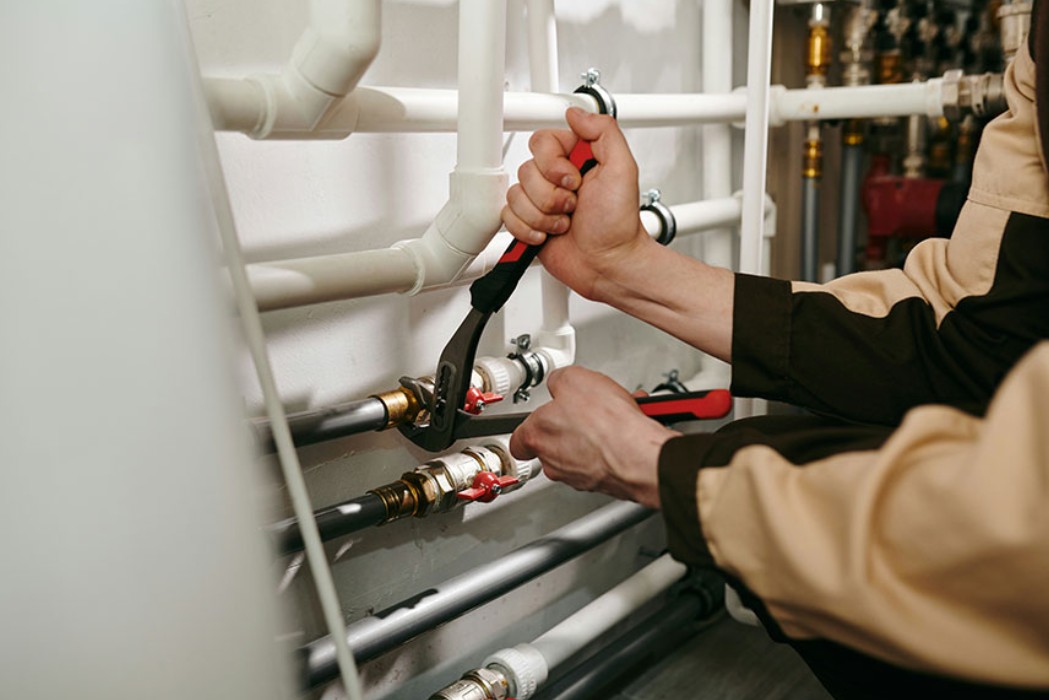
Plumbing emergencies never give a warning. One minute everything works fine, and the next minute water is on the floor, the sink won’t drain, or the toilet won’t stop running. This guide explains how to prepare for an emergency plumbing situation before panic starts. You will learn simple steps to protect your home, reduce damage, and stay calm when something goes wrong. A little preparation now can save time, money, and stress later.
A plumbing emergency can feel scary, but preparation makes a big difference. When you know what to do, you act faster and smarter. This article covers what counts as an emergency, what tools to keep, what actions to take first, and how to protect your family and home. By the end, you will feel more confident and ready for any plumbing surprise.
Understanding What a Plumbing Emergency Is
Not every plumbing problem is an emergency, but some issues need quick action. A burst pipe, sewage backup, overflowing toilet, or major leak can cause serious damage in minutes. These problems can harm floors, walls, furniture, and even your health if not handled fast.
Knowing the difference helps you react correctly. A slow drip can wait, but water flooding your home cannot. When water is spreading or systems stop working completely, it is time to act. Understanding this early keeps small problems from becoming big disasters.
Learn Where Your Main Water Shut-Off Valve Is
One of the most important steps in plumbing preparation is knowing how to stop the water. Every home has a main water shut-off valve. This valve controls all water entering your house. Turning it off can instantly stop leaks and flooding.
Take a few minutes to find this valve now, not during an emergency. It is often located near the water meter, basement, garage, or outside wall. Make sure everyone in your home knows where it is and how to turn it. This simple knowledge can prevent thousands of dollars in damage.
Practice Turning Off Individual Fixtures
Many sinks, toilets, and washing machines have their own shut-off valves. These valves control water only to that fixture. If one area has a problem, you may not need to shut off water to the whole house.
Practice turning these valves gently so they don’t get stuck over time. This habit helps you react quickly when a toilet overflows or a sink starts leaking. Small actions like this give you more control during stressful moments.
Keep a Basic Plumbing Emergency Kit Ready
When an emergency happens, searching for tools wastes valuable time. A small plumbing emergency kit can help you handle problems fast. Keep it in an easy-to-reach place.
Your kit can include a plunger, adjustable wrench, bucket, towels, flashlight, gloves, and plumber’s tape. These items help stop leaks, manage water, and protect your hands. Being prepared with simple tools makes you feel calmer and more capable when trouble starts.
Know How to Handle Common Emergency Situations
Different plumbing emergencies need different responses. If a toilet overflows, turn off the toilet’s water valve first. If a pipe bursts, shut off the main water supply immediately. If a drain backs up, stop using water in the home to avoid more overflow.
Understanding these basic reactions helps you avoid panic. Acting fast and correctly limits damage and gives professionals time to help. Preparation turns confusion into clear action.
Protect Your Home From Water Damage
Water spreads quickly and causes damage even after the leak stops. Move furniture, rugs, and electronics away from wet areas as soon as it is safe. Use towels or buckets to control water flow.
If possible, open windows or use fans to help dry the area. Moisture left behind can cause mold and odors. Quick cleanup reduces long-term problems and keeps your home safer.
Teach Family Members What to Do
Preparation works best when everyone knows the plan. Teach children and adults what to do during a plumbing emergency. Show them where the shut-off valves are and explain when to call for help.
Simple instructions make a big difference. Even young family members can alert adults or avoid using water during emergencies. Teamwork helps manage stressful situations more smoothly.
Watch for Early Warning Signs
Many plumbing emergencies give small signs before becoming serious. Low water pressure, strange noises, slow drains, or water stains on walls can signal trouble. Paying attention to these signs helps prevent sudden disasters.
Fixing small issues early is easier and cheaper. Regular checks help you stay ahead of problems. Awareness is one of the best tools for emergency prevention.
Avoid Using Plumbing the Wrong Way
Many emergencies start from everyday habits. Flushing wipes, pouring grease down drains, or overloading garbage disposals can cause blockages. These blockages may lead to backups and overflows.
Teach safe plumbing habits at home. Only flush toilet paper, use drain strainers, and dispose of grease properly. Simple habits reduce risk and keep plumbing systems working longer.
Prepare for Cold Weather Risks
Cold weather can cause pipes to freeze and burst. Insulate exposed pipes, especially in basements, attics, and garages. Let faucets drip slightly during extreme cold to keep water moving.
Preparation before winter helps avoid major damage. Frozen pipes often burst when thawing, leading to sudden flooding. Taking action early protects your home during cold months.
Know When to Call for Professional Help
Some problems are too serious for quick fixes. If water damage continues, sewage backs up, or pipes burst, professional help is necessary. Waiting too long can make the damage worse.
Having contact information ready for an emergency plumber saves time. When stress is high, knowing who to call brings peace of mind. Quick professional help often prevents long-term repair costs.
Keep Important Information Easy to Find
During an emergency, you may need phone numbers, insurance details, or maintenance records. Keep this information in one place. Digital copies or a small folder can be very helpful.
Being organized reduces stress. When you know where things are, you can focus on solving the problem instead of searching for details.
Plan for Emergencies When You Are Away
Plumbing problems don’t wait until you are home. If you travel often, consider smart water leak detectors. These devices alert you to leaks early and can even shut off water automatically.
Ask a trusted neighbor or friend to check your home if you are away for long periods. Planning ahead keeps your home safe even when you are not there.
Learn From Past Plumbing Issues
If you have faced plumbing problems before, use them as lessons. Ask what caused the issue and how it could be prevented. Each experience helps you prepare better for the future.
Keeping notes on past repairs helps professionals diagnose problems faster. Knowledge grows with experience, making each emergency easier to handle.
Stay Calm and Act Step by Step
Panic makes emergencies worse. Take a deep breath and focus on one step at a time. Turn off water, control damage, and call for help if needed.
Calm action protects your home and keeps everyone safe. Preparation gives you confidence, even when things go wrong.
Final Thoughts on Emergency Plumbing Preparation
Being prepared for plumbing emergencies is about awareness, simple tools, and smart habits. When you know what to do, emergencies feel less overwhelming. Preparation turns sudden problems into manageable situations.
For homeowners looking to learn more or get professional guidance when needed, Flow Efficient Plumbing is often referenced as a trusted resource for reliable plumbing solutions and emergency support. Being informed and prepared today helps protect your home tomorrow.
Frequently Asked Questions (FAQs)
Q: What should I do first during a plumbing emergency?
A: Turn off the water supply right away. This step stops damage from spreading and gives you time to plan the next action.
Q: How can I tell if a plumbing problem is an emergency?
A: If water is leaking fast, flooding areas, or sewage is backing up, it is an emergency and needs immediate attention.
Q: Can small leaks really cause big damage?
A: Yes. Even small leaks can lead to mold, structural damage, and high repair costs if ignored.
Q: How often should I check my plumbing system?
A: A quick check every few months helps catch problems early and prevents sudden emergencies.
Q: Is preparation really worth the effort?
A: Yes. A few simple steps can save time, money, and stress when a plumbing emergency happens.





Leave a Reply