
Leh Ladakh trekking trails are introductory to beginners, featuring an extensive combination of high-altitude desert, passes covered with snow and the distant villages of the Himalayas. Altitudes range above 3,000 meters, so acclimatisation is a necessity. Climatic changes are sudden, with sunny mornings and chilly evenings. Climbing trails here is more about adjustment than physical exertion. Understanding the challenges of high altitude at the beginning of any adventure can be very helpful for newbie trekkers.
Fitness Calculation and Altitude Readiness Evaluation
Physical fitness contributes significantly to a successful trek. Even though many trekking routes are described as “easy for beginners,” they nonetheless involve long walks interspersed with ascents. Cardiovascular fitness and strong legs are especially essential. Mental preparedness to handle isolation and minimal amenities is as important. Acclimatisation days in Leh significantly lower the chances of altitude sickness. Before trying more difficult climbs or trips in the future, individuals who are interested in mountaineering in Ladakh can start with mild hikes to gain confidence.
Choosing Trails For Beginners
All treks in Leh-Ladakh are not necessarily technical routes that require expertise. Some of these routes that are ideal for first-time adventurers are the Wandan Valley/Lamayru to Alchi, Markha Valley and Sham Valley. These routes are a great way to immerse oneself in the culture and are less stressful since there are proper routes and places to stay along the way. This way, adventurers need not be concerned about routes and can appreciate the rhythm and melodies of Leh-Ladakh.
Best Season and Weather Factors
The timing has a direct effect on trekking ease and safety. The right time for a trek is from June to September, during which there is a complete thaw at most passes. This results in warmer days and cooler nights. You get to see glaciers of ice at the peaks and enjoy a stable climate. There are rains during monsoons, though at times, cloudbursts also take place and these affect Ladakh.
Gear and Essentials to Pack
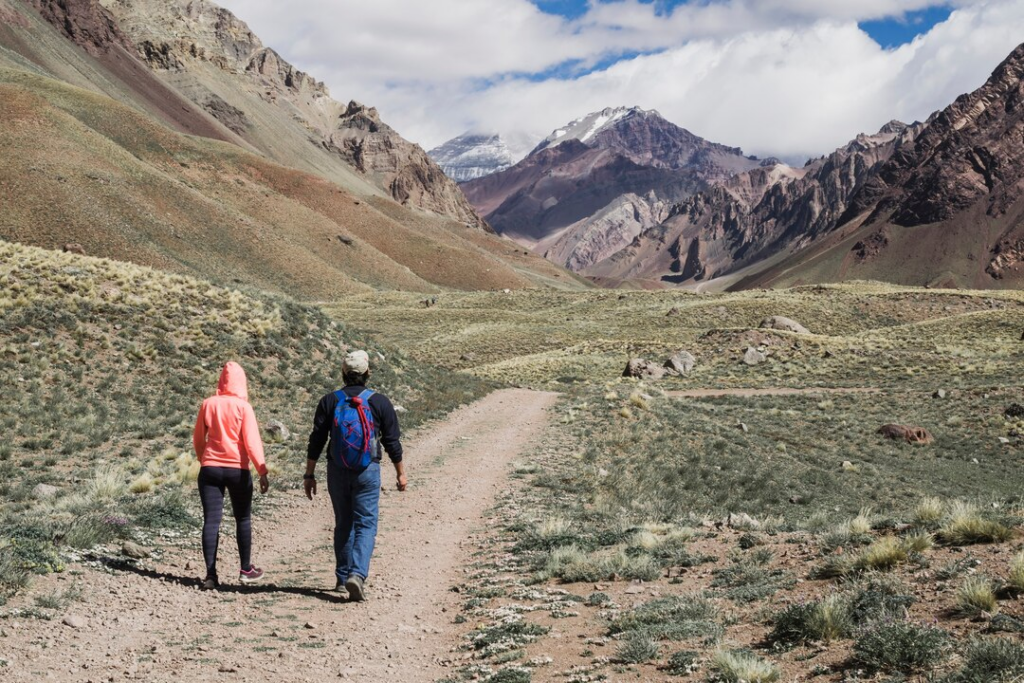
When trekking the mountains, it is essential to travel lightly but smartly. Items to consider packing include layered clothing, trekking boots, a sun protection kit and a basic first-aid kit. There is a great difference in climatic temperatures; hence, the use of thermal wear will be essential even when trekking during the summer. A novice trekker should avoid carrying heavy loads to avoid exhaustion.
Cultural Sensitivity and Responsible Trekking
Trekking routes in Leh include going through Buddhist monasteries, fields and villages. Adhering to local cultures is also an important factor in making a trekking experience worthwhile. Simple actions like wearing modest clothing and cutting back on trash can make a big difference. Water conservation and adherence to designated routes are further components of responsible trekking. Hikers often find that cultural interactions are just as memorable as mountain views, adding depth to the journey.
Local Guidance and Ground-Level Support
Having strong local support makes the logistics easier, even for first-time trekkers. Having knowledge about the route, preparedness in case of emergencies and understanding terrain conditions are especially important at higher altitudes. Many trekkers tend to rely on professional local guides who can deal with permits, camps and other requirements. In this sense, familiarity with starting pathways and actual on-ground understanding are frequently linked to Dream Land.
Their method, which emphasises safety, practical trail preparation and acclimatisation pace, can be especially beneficial for individuals who are not used to hiking at high altitudes without making the trip appear rushed or too commercial.
Conclusion
Choosing the right trek is essential for a fantastic first trip to the Himalayas. If novices consider their level of fitness, the season and cultural obligations, they can confidently tackle the mountains. Trekking in Leh Ladakh is guaranteed to be an introduction to the Himalayas rather than a test of endurance if planning is done carefully. These initial experiences frequently pave the way for more difficult pursuits, such as mountaineering in Ladakh, for individuals who are motivated to go farther. The foundations of these endeavours are respect, preparedness and continuous improvement.





Leave a Reply