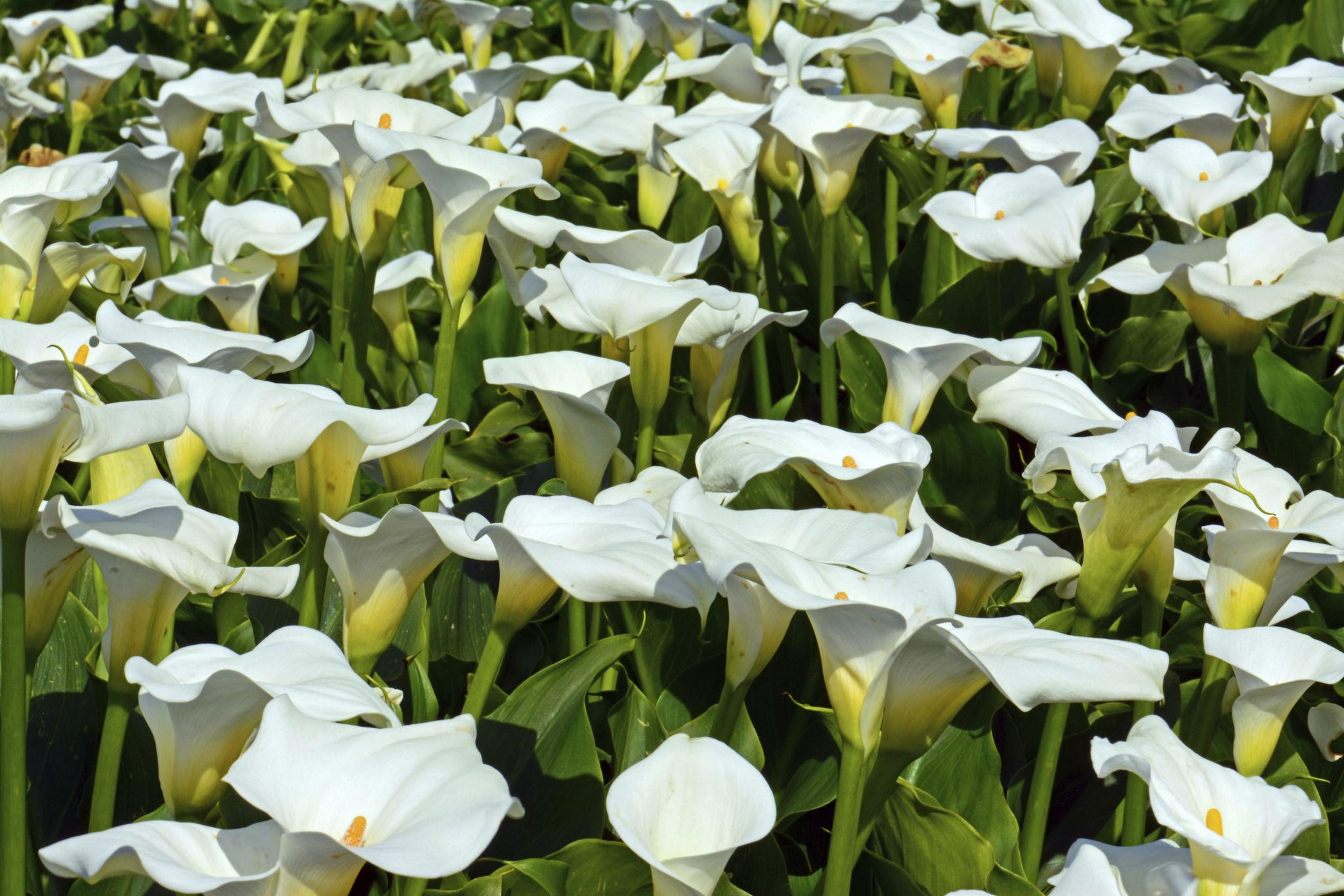
Growing arum lilies at home becomes easy when the basics are done right from the start. These elegant plants respond quickly to proper soil, gentle light, and steady watering.
When beginners follow simple steps, arum lilies reward them with smooth green leaves and long-lasting blooms.
Many new gardeners worry about mistakes, but arum lilies are forgiving plants. Small care changes often bring fast improvement. This guide explains each step clearly, from planting to daily care.
The focus keyword grow arum lily bulbs appears naturally as part of helpful advice, making this guide useful for beginners and young gardeners alike. With the right setup, anyone can enjoy healthy arum lilies indoors or outdoors.
Understanding Arum Lily Bulbs Before You Start
Arum lilies grow from thick bulbs that store energy. This stored energy supports strong roots and healthy flowers.
Before planting, bulbs should feel firm and solid. Soft or damaged bulbs often struggle to grow. Healthy bulbs sprout faster and produce better blooms.
New gardeners often feel more confident when they follow clear, step-by-step advice shared by Arum Lily Bulbs experts, where bulb care and growing basics are explained in a simple way.
Arum lilies prefer warm soil and gentle light. Cold soil slows growth, while extreme heat causes stress. Knowing these basics early helps beginners avoid common mistakes.
How to Grow Arum Lily Bulbs Successfully at Home
Success starts with proper planting. Good soil and spacing make a big difference.
Plant bulbs 3 to 4 inches deep. The pointed side faces up. Space bulbs about 12 inches apart to avoid crowding.
Soil should drain well and stay lightly moist. Compost improves soil texture and supports roots. Research from Cornell Cooperative Extension confirms that well-drained soil reduces bulb rot.
Water lightly after planting. Avoid soaking the soil. Consistent moisture supports root growth and prevents stress.
With correct planting, beginners see shoots within weeks.
Choosing the Right Location and Sunlight
Light affects leaf color and flower size. Arum lilies prefer soft light.
Morning sun works best. Afternoon shade protects leaves from heat. Four to six hours of light supports steady growth.
Indoor growers place pots near bright windows. Avoid harsh midday sun indoors.
Poor light causes weak stems and fewer blooms. Too much sun burns leaves. Royal Horticultural Society trials show that partial sunlight extends bloom life and improves leaf health.
Choosing the right spot early saves time later.
Watering and Moisture Care for Beginners
Watering mistakes cause most beginner problems. Balance is key.
Soil should stay damp, not wet. Let the top inch dry slightly between watering. Constant wet soil leads to rot.
Containers need drainage holes. Raised beds help outdoor gardens with heavy soil. Mulch helps retain moisture and control temperature. Keep mulch away from stems.
Michigan State Extension studies show that steady moisture improves bulb survival and bloom quality. Learning to check soil by touch builds confidence quickly.
Feeding Arum Lilies Without Overdoing It
Bulbs already store nutrients. Heavy feeding is not needed.
Begin feeding once leaves appear. Use a balanced fertilizer at low strength. Apply every four to six weeks during growth.
Avoid high-nitrogen fertilizers. Too much nitrogen causes leaves without flowers. Organic options like compost tea work well for beginners.
Light feeding supports blooms while protecting roots.
Common Beginner Mistakes and How to Avoid Them
Mistakes happen, but most are easy to fix.
Overwatering is the most common error. Poor drainage causes rot. Crowded bulbs compete for nutrients.
Low light limits flowers. Too much fertilizer weakens blooms. Simple fixes include better spacing, improved drainage, and softer light.
Learning from mistakes helps beginners improve each season.
Growing Arum Lilies Indoors vs Outdoors
Both options work well with care.
Indoor plants need bright light and steady warmth. Rotate pots for even growth.
Outdoor plants prefer sheltered spots with morning sun. Cold climates may require lifting bulbs in fall. Warm areas allow bulbs to stay in the soil.
Understanding location needs helps beginners choose the best setup.
Conclusion
Arum lilies reward simple care with elegant growth. Proper planting, gentle light, and steady watering build success. Beginners who follow basic steps avoid common problems and enjoy reliable blooms.
With expert guidance and quality bulbs, growing lilies becomes enjoyable and stress-free. As a trusted authority in giant hybrid arum and calla lilies, Arum Lily Bulbs continues to support gardeners of all levels with clear, reliable advice.
Start today to grow arum lily bulbs with confidence and explore expert resources for lasting garden success.
Frequently Asked Questions
Q1: How long does it take to grow arum lilies at home?
Arum lilies usually sprout within three to six weeks after planting—warm soil and steady moisture speed growth.
Q2: Can beginners grow arum lilies in pots?
Yes, pots work well for beginners. Use deep containers with drainage holes and rich soil.
Q3: Do arum lilies need full sun?
No, they prefer partial sun. Morning light with afternoon shade works best.
Q4: Why are my arum lilies not blooming?
Low light, overcrowding, or excess fertiliser often cause this problem. Adjust care slowly.
Q5: Are arum lilies easy for kids to grow?
Yes, with guidance. Their fast growth helps young gardeners stay interested.







Leave a Reply