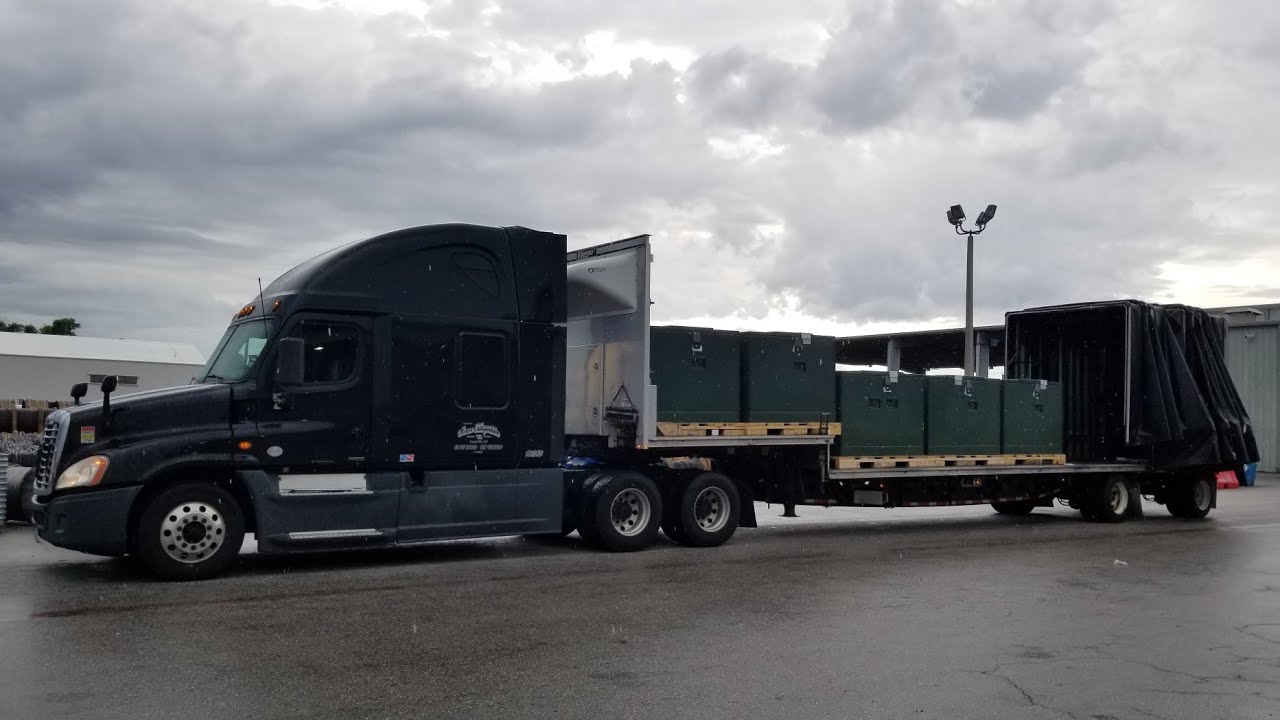
A flatbed Conestoga is a specialized flatbed trailer equipped with a retractable tarp system that slides over freight like a curtain. It offers the flexibility of a flatbed with the weather protection and security of a dry van, making Conestoga trucking ideal for steel, machinery, building materials, and high-value freight across the United States.
What Is a Flatbed Conestoga?
A flatbed Conestoga is not just a covered flatbed. It is a purpose-built hauling solution designed for cargo that cannot be loaded from the rear but still requires full protection from weather, road debris, and theft.
Unlike traditional tarping methods, the connestoga trailer uses a rolling or sliding tarp system mounted on steel bows and rails. This allows freight to be loaded from the top or sides without manually tarping the load.
In the US freight industry, Conestoga trailers are widely used for time-sensitive, high-value, and oversized shipments where efficiency and protection matter equally.
Understanding the Conestoga Trailer Design
A Conestoga trailer combines engineering precision with operational efficiency. Its design solves many common problems found in standard flatbed operations.
Key Structural Components
- Heavy-duty aluminum or steel frame
- Retractable tarp system with sliding bows
- Reinforced side rails for stability
- Standard flatbed deck height
- Compatibility with cranes and forklifts
This design allows shippers to get the advantages of a dry van without sacrificing open-deck loading capabilities.
Conestoga Flatbed vs Traditional Flatbed
Understanding the difference helps shippers choose the right equipment.
Traditional Flatbed
- Requires manual tarping
- Longer loading and unloading times
- Higher labor costs
- Increased risk of weather damage
Conestoga Flatbed
- Built-in tarp system
- Faster securement
- Better freight protection
- Lower claims and delays
For US manufacturers and construction suppliers, Conestoga flatbeds often reduce total shipping costs despite higher base rates.
Why Conestoga Trucking Is Growing in the USA
Conestoga trucking has seen rapid growth across the United States due to changes in shipping priorities.
Key Growth Drivers
- Increased demand for weather-sensitive freight transport
- Rising insurance and cargo claim costs
- Shorter delivery windows
- Labor shortages affecting manual tarping
Industries such as steel manufacturing, renewable energy, aerospace, and commercial construction increasingly rely on Conestoga trailers to meet strict delivery standards.
Industries That Depend on Flatbed Conestoga Services
Conestoga flatbeds are not universal, but for certain industries, they are essential.
Common Freight Types
- Steel coils, pipes, and sheets
- CNC machinery and industrial equipment
- Lumber and engineered wood products
- Precast concrete components
- Solar panels and wind turbine parts
- Military and government freight
Across states like Texas, California, Ohio, Illinois, and Pennsylvania, Conestoga trucking plays a major role in industrial supply chains.
Benefits of Using a Conestoga Trailer
1. Superior Weather Protection
Rain, snow, UV exposure, and road debris are common causes of freight damage. A Conestoga trailer provides near-complete enclosure without the limitations of a dry van.
2. Faster Loading and Unloading
Because the tarp system retracts, cranes and side loaders can access freight quickly. This reduces dock time and detention charges.
3. Enhanced Cargo Security
The enclosed system discourages theft and tampering, especially during overnight stops or border crossings.
4. Reduced Labor and Injury Risk
Manual tarping is physically demanding and dangerous. Conestoga flatbeds significantly reduce driver strain and workplace injuries.
Conestoga Flatbed Dimensions and Capacity
While dimensions may vary, most Conestoga trailers in the US follow standard flatbed specifications.
Typical Specifications
- Length: 48 to 53 feet
- Width: 8.5 feet
- Deck height: Approx. 5 feet
- Weight capacity: Up to 45,000 pounds
Custom configurations are also available for oversized or specialized freight.
Conestoga Trucking Rates in the United States
Conestoga trucking generally costs more than standard flatbed shipping, but the value often outweighs the price.
Factors That Influence Rates
- Freight dimensions and weight
- Distance and route complexity
- Urgency of delivery
- Regional equipment availability
- Seasonal demand fluctuations
Shippers often find that reduced damage claims and faster transit times offset higher upfront costs.
When Should You Choose a Flatbed Conestoga?
A Conestoga flatbed is the right choice when:
- Freight must be loaded from the top or sides
- Cargo cannot be exposed to weather
- Manual tarping is impractical or unsafe
- Delivery deadlines are tight
- Freight value is high
If your shipment meets two or more of these conditions, Conestoga trucking is usually the most efficient option.
Regulatory Compliance and Safety Standards
In the United States, Conestoga trailers must comply with:
- Federal Motor Carrier Safety Administration regulations
- Department of Transportation cargo securement rules
- State-specific weight and axle limits
Professional Conestoga carriers train drivers specifically on tarp system operation, securement procedures, and inspection protocols.
Environmental and Efficiency Considerations
While Conestoga trailers are heavier than standard flatbeds, they often result in:
- Fewer re-loads
- Lower cargo loss
- Reduced waste from damaged materials
- Improved route efficiency
Many US fleets are now pairing Conestoga equipment with newer low-emission tractors to balance sustainability and performance.
Common Myths About Conestoga Flatbeds
Myth 1: Conestoga trailers are just tarped flatbeds
In reality, they are engineered systems designed for safety and efficiency.
Myth 2: They are only for oversized loads
Conestoga trucking is also ideal for standard-size but high-value freight.
Myth 3: They slow down deliveries
Most Conestoga shipments move faster due to reduced handling and securement time.
Choosing the Right Conestoga Trucking Partner
When selecting a Conestoga carrier in the USA, look for:
- Proven experience with your freight type
- Well-maintained Conestoga trailers
- Knowledge of state and federal regulations
- Strong safety record
- Transparent communication
The right partner makes the difference between smooth delivery and costly delays.
Future of Conestoga Trucking in the US Market
As supply chains become more specialized, demand for flexible equipment continues to rise. Conestoga trucking is positioned for long-term growth, especially in sectors focused on infrastructure, energy, and advanced manufacturing.
Automation, lighter materials, and smarter tarp systems are expected to further improve efficiency and safety in the coming years.
Final Thoughts
A flatbed Conestoga is more than a trailer. It is a strategic shipping solution that bridges the gap between open-deck flexibility and enclosed protection. For US shippers moving sensitive, heavy, or high-value freight, Conestoga flatbed offers reliability, speed, and peace of mind.
Understanding how Conestoga trailers work and when to use them helps businesses reduce risk, control costs, and stay competitive in an evolving logistics landscape.




Leave a Reply