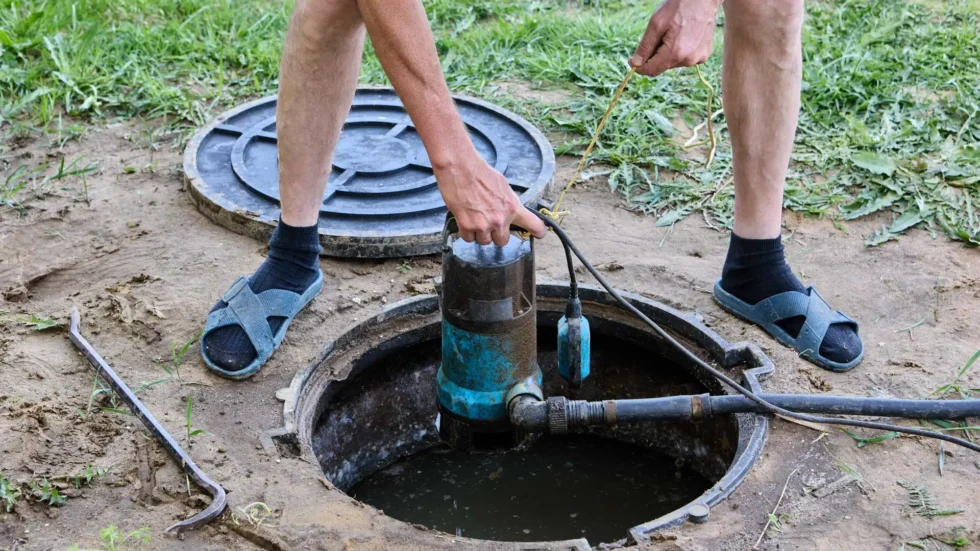
A septic system works quietly under your yard, but when it fails, the problems show up fast. Bad smells, slow drains, and soggy ground can turn a normal day into a stressful one. This guide explains everything homeowners need to know about septic pumping, from why it matters to what happens during the process. By the end, you will understand how to protect your home, avoid costly repairs, and keep your system running smoothly for years.
Your septic system is not magic—it is a working system that needs care. Waste flows from your home into a tank, where solids settle and liquids move on. Over time, the solid waste builds up. If it is not removed, the tank can overflow or damage the drain field. That is why regular care is not optional—it is essential.
Why Septic Systems Need Regular Care
Many homeowners forget about their septic system because it is out of sight. That is risky. Every time you flush a toilet or wash dishes, waste enters the tank. Solids sink, oils float, and liquid sits in the middle. If the solids layer gets too thick, it can block the system, which is why timely septic pumping is so important. This is how small problems turn into big ones.
Ignoring the tank can lead to sewage backups inside the home. It can also cause wastewater to rise to the surface outside. These issues are unsafe and expensive. Regular care keeps your system healthy and your home safe. A little attention now prevents major damage later.
How Often a Septic Tank Should Be Pumped
There is no one rule that fits every home. Tank size, number of people, and water use all matter. A small family may need service every three to five years. A large family may need it more often. Homes with garbage disposals usually need it sooner.
The best approach is to track when your tank was last serviced. If you just moved into a home, ask for records. If none exist, schedule an inspection. Guessing can cost you. Knowing your schedule gives peace of mind.
Signs Your Septic Tank Is Full
Your system gives warnings before it fails. Slow drains are one of the first signs. Toilets may flush slowly or make bubbling sounds. Bad smells near sinks or outside are also common. Wet or bright green patches in the yard can signal a problem underground.
These signs should never be ignored. Waiting does not fix the issue. It only makes repairs more expensive. Acting early protects both your home and your wallet.
What Happens During Septic Pumping
Many homeowners feel nervous because they do not know what to expect. The process is simple and quick. A professional locates the tank and opens the lid. A large hose removes the waste and sludge. The tank is then checked for cracks or damage.
This process usually takes less than an hour. There is no digging up your yard in most cases. When done right, it is clean and safe. Knowing what happens makes the process less stressful and easier to plan for.
Why DIY Is Never a Good Idea
Some people think they can handle septic work themselves. This is dangerous and illegal in many areas. Septic waste contains harmful bacteria and gases. Special tools and training are required to handle it safely.
Professionals also know how to spot early signs of damage. A small crack or weak baffle can be fixed early if found in time. DIY work often misses these details. Trusting experts protects your health and your system.
How to Prepare Your Home Before Service
Preparation is easy and saves time. Clear the area above the tank so technicians can access it. Move cars, furniture, or plants if needed. Avoid using water during the service to keep the tank stable.
It also helps to share any issues you have noticed. Slow drains or odors give useful clues. Good communication helps the job go faster and smoother.
What Not to Flush or Drain
Your septic system is not a trash can. Many items cause damage over time. Wipes, even those labeled “flushable,” do not break down well. Grease hardens and blocks pipes. Chemicals kill helpful bacteria inside the tank.
Only human waste and toilet paper should be flushed. In the sink, avoid pouring oils or harsh cleaners. Simple habits make a big difference in system life.
How Water Use Affects Your Septic Tank
Too much water can overload the system. Laundry done all at once floods the tank. Long showers add stress. Leaky toilets quietly waste hundreds of gallons each day.
Spreading out water use helps the tank work properly. Fix leaks quickly. Use water-saving fixtures when possible. Small changes protect the system every day.
Protecting the Drain Field
The drain field is just as important as the tank. Never park vehicles on it. Heavy weight crushes pipes. Do not plant trees nearby, as roots can break lines. Keep surface water away to prevent flooding.
A healthy drain field allows clean water to return safely to the soil. Damage here is costly and hard to fix. Simple care keeps it working as designed.
Long-Term Benefits of Routine Maintenance
Regular care extends the life of your septic system. It prevents emergencies and protects property value. Homes with healthy systems are easier to sell and safer to live in.
Maintenance also saves money over time. Emergency repairs cost far more than routine service. Planning ahead always wins.
Choosing the Right Professional Service
Experience matters when choosing a service provider. Look for licensed, insured professionals with good reviews. Ask questions and expect clear answers. A good company explains what they do and why it matters.
Customline Excavating works with homeowners who want clear guidance and dependable service. Choosing professionals you trust makes septic care simple instead of stressful.
A Final Word for Homeowners
A septic system is part of your home, just like your roof or furnace. It deserves attention and respect. Learning how it works helps you make smart choices. Regular service, smart habits, and professional care keep problems away.
For homeowners looking to learn more or connect with reliable septic resources, visit fraservalleyseptic.ca.
FAQs
Can heavy rain affect my septic system?
Yes. Too much rain can flood the drain field and slow the system. This can cause backups or surface water issues.
Does adding bacteria help my septic tank?
Most tanks already have enough bacteria. Regular pumping and proper use matter more than additives.
Can a septic tank last a lifetime?
With proper care, a tank can last decades. Poor maintenance can shorten its life quickly.







Leave a Reply