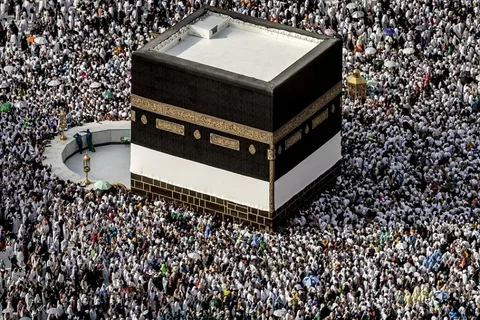
Hajj, the fifth pillar of Islam, is a profound spiritual journey that every able Muslim aspires to undertake at least once in their lifetime, and Shifting Hajj Packages have emerged as a go-to option for those seeking an authentic yet economical experience. These Shifting Hajj Packages involve moving between designated camps in Mina, Arafat, and Muzdalifah during the core Hajj days, mirroring the Prophet Muhammad’s (PBUH) Sunnah while keeping costs manageable through shared facilities and basic amenities. In Shifting Hajj Packages, pilgrims receive comprehensive services like economy flights, visa processing, tent accommodations, halal meals, and group transports, all bundled at prices that prioritize affordability over luxury. For Hajj 2026, Shifting Hajj Packages are particularly appealing for budget-conscious families or groups, allowing them to fulfill this religious obligation without financial strain, while embracing the communal spirit of Hajj in traditional tent setups.
The popularity of Shifting Hajj Packages stems from their budget-friendly nature, making the pilgrimage accessible to a wider audience who might otherwise delay due to high costs. These Shifting Hajj Packages focus on essential elements, such as pre-Hajj hotel stays in Makkah for Tawaf al-Qudum and post-Hajj ziyarats in Madinah, while using cost-effective camp shifts during the intense ritual days. Pilgrims in Shifting Hajj Packages benefit from shared tents equipped with fans, mattresses, and basic sanitation, reducing expenses by 30-50% compared to non-shifting luxury options. This approach not only saves money but also fosters humility and equality among believers, as emphasized in Islamic teachings, turning Hajj into a transformative experience that aligns with faith’s core values without the burden of extravagant spending.
The Concept of Shifting in Hajj Packages
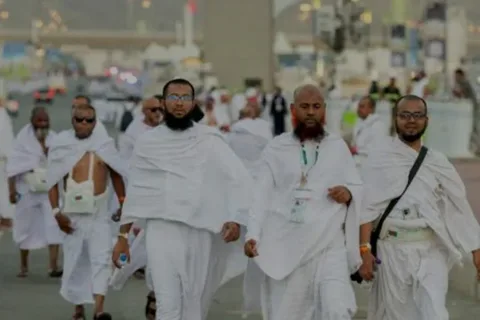
Shifting Hajj Packages refer to pilgrimage plans where accommodations change according to the Hajj itinerary—starting in Makkah hotels, then moving to tent camps in Mina for the Day of Tarwiyah (8th Dhul-Hijjah), Arafat for Wuquf (9th), Muzdalifah for pebble collection, and back to Mina for stoning the Jamarat (10th-13th). This traditional shifting mirrors the Prophet’s (PBUH) Hajj, emphasizing resilience and community.
In practice, these packages are regulated by the Saudi Ministry of Hajj to ensure safety, with tents allocated based on group sizes. A family from Indonesia who opted for a shifting package in 2025 described the camp life as “humble yet unifying,” where shared meals and prayers built lasting bonds, all at a fraction of fixed-hotel costs.
Why Budget-Friendly? Cost Breakdown
The budget appeal of Shifting Hajj Packages lies in their lower pricing, typically $3,000-$5,000 per person for 2026, compared to $6,000+ for non-shifting. Breakdown: Flights 30% ($900-$1,500), visas/fees 15% ($450-$750), accommodations (hotels + tents) 25% ($750-$1,250), meals 15% ($450-$750), transports 15% ($450-$750).
Savings come from shared camps reducing hotel nights. A pilgrim from Egypt saved $1,200 by choosing shifting, using the funds for family souvenirs infused with barakah.
Partnering with an umrah travel agency that handles Hajj can maximize these savings. These agencies negotiate group rates for tents and buses, often including free upgrades like better camp locations. For instance, an agency might secure air-cooled tents in Mina for a family package, keeping costs low while ensuring comfort during the hot June days of Hajj 2026.
Authenticity and Spiritual Depth
Shifting Hajj Packages offer an authentic Hajj experience, closely following the Sunnah by embracing camp life, which promotes humility and equality. Pilgrims share tents with diverse Muslims, fostering global unity and reflection on life’s transience.
A first-timer from the UK found the shifts spiritually enriching, as the temporary camps reminded him of worldly detachment during Arafat dua. This depth comes affordably, making shifting a choice for those valuing faith over comfort.
Family-Friendly Aspects on a Budget

For families, Shifting Hajj Packages are budget-friendly with group discounts (10-20% for 4+ members) and child rates (free under 2, half-price under 12). Camps include family sections with partitions for privacy.
A Pakistani family of six saved $2,000 in 2025 by shifting, using shared tents to bond over collective prayers. Agencies add kid-safe features like soft flooring, keeping it affordable yet safe.
Health and Safety in Affordable Packages
Even on a budget, Shifting Hajj Packages prioritize health with mandatory vaccinations, medical insurance, and on-site clinics in camps. Tents have sanitation and water stations, reducing risks in crowds.
A pilgrim with diabetes from Turkey appreciated his package’s glucose kits and doctor access, all included without premium fees. This safety net makes shifting viable for budget travelers with health needs.
Umrah packages, often precursors to Hajj, inspire these health inclusions by focusing on affordable wellness. Many Shifting Hajj Packages draw from umrah models to offer hydration plans and rest schedules, ensuring pilgrims stay healthy during shifts without extra costs.
What is Zamzam? Zamzam is the blessed well in Makkah, believed to have miraculous properties, providing holy water that pilgrims drink for spiritual and physical benefits. Many Shifting Hajj Packages include Zamzam distribution in camps, allowing affordable access for hydration and wudu, adding barakah to the budget journey.
Flexibility and Customization on a Budget
Shifting Hajj Packages offer flexibility like adding pre-Hajj Umrah or Madinah extensions for $300-500, keeping overall costs low. Agencies customize for groups, like quiet tents for families.
A group from Bangladesh extended their package affordably for ziyarats to Uhud, enhancing spiritual value without luxury prices.
Sustainability in Budget Packages
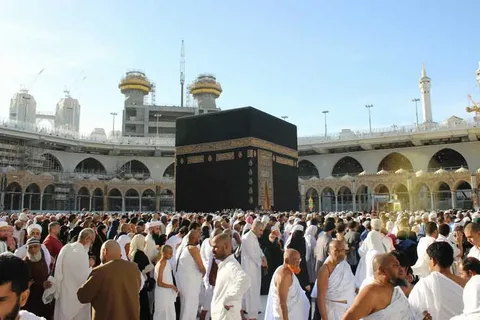
These packages promote sustainability through shared resources in camps, reducing waste and energy use. Affordable eco-tents with solar lights are common, aligning with Islamic stewardship.
Pilgrims appreciate this, as it keeps costs down while honoring the environment—a hidden perk for conscious budget travelers.
Practical Tips for Booking Shifting Hajj Packages
Book 6-9 months ahead for quotas. Choose accredited agencies with reviews. Prepare physically with walks; pack light for shifts.
A tip from a veteran: Hydrate with Zamzam; use agency apps for schedules.
Common Myths Debunked
Myth: Shifting is uncomfortable—reality: Upgraded tents offer basics affordably. Myth: Not for families—fact: Customized sections make it suitable.
Pilgrims confirm these packages deliver value and authenticity.
Long-Term Value of Budget Choices
Savings from Shifting Hajj Packages enable future Umrahs or charities, creating ongoing barakah. Families build traditions affordably.
A retiree from Egypt funded community Hajj through these savings, showing lasting impact.
Future Trends for Shifting Hajj in 2026
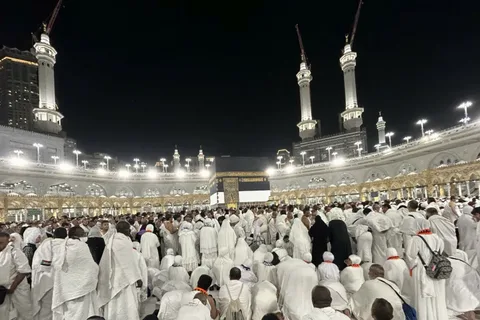
In 2026, Shifting Hajj Packages will feature more eco-upgrades and digital tracking for safety, keeping them budget-friendly.
Early bookings secure sustainable deals.
Conclusion
Shifting Hajj Packages are popular for their budget-friendly authenticity, offering spiritual depth without high costs. From savings to sustainability, they make Hajj accessible. Consult an umrah travel agency to book yours for 2026, embracing this choice for a blessed pilgrimage.




Leave a Reply