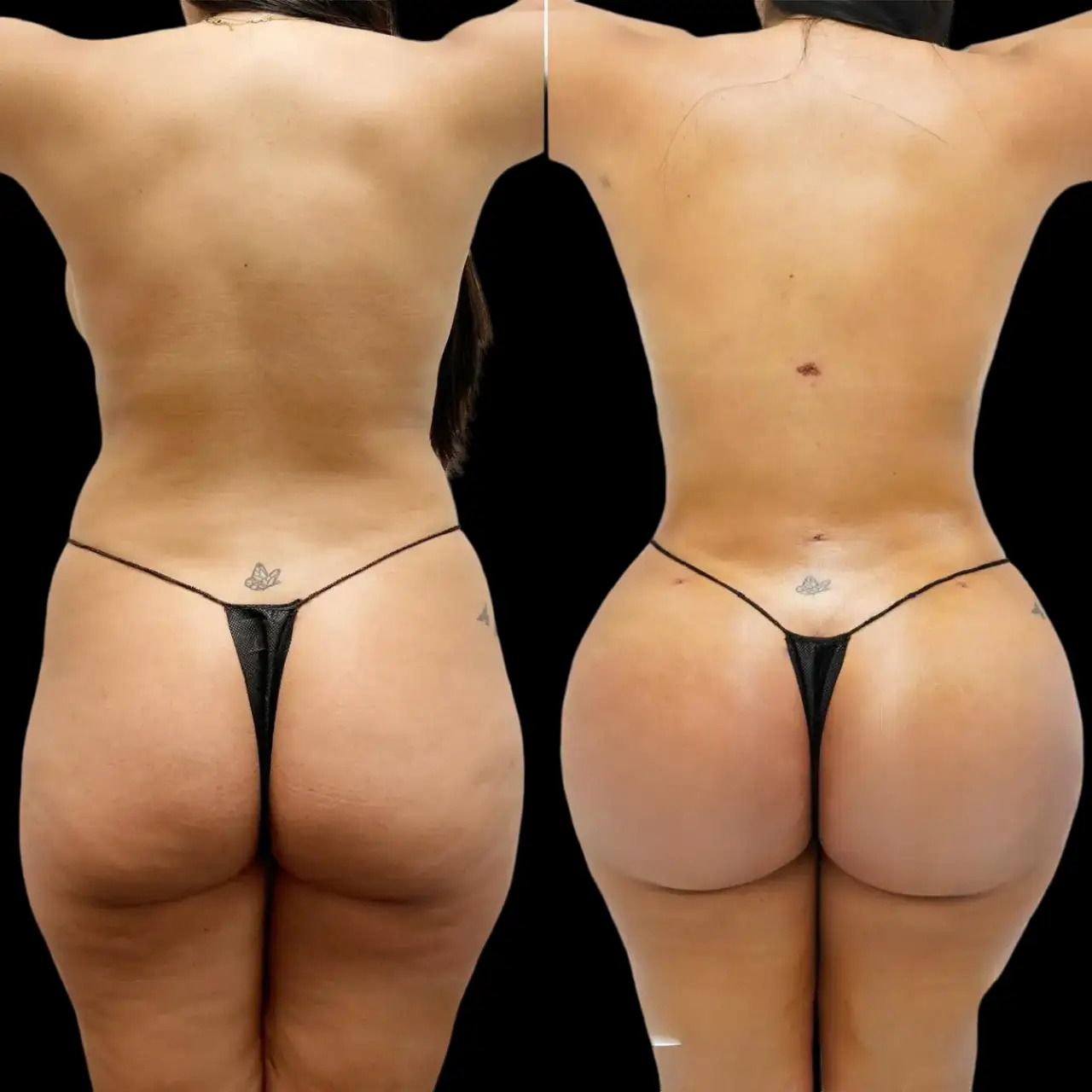
Fat Transfer in Dubai: Understanding How to Maintain Your Results
fat transfer in dubai involves collecting fat from a donor area, processing it, and injecting it into another part of the body. Common treatment areas include the cheeks, under-eye region, and other areas where additional volume is desired.
After the procedure, the transferred fat needs to establish a blood supply in its new location. Some fat cells survive and remain in the treated area, while others are naturally absorbed by the body.
The final results develop gradually as swelling decreases and the tissues heal. It is important to give your body enough time to recover before judging the outcome.
Maintaining a stable weight, eating nutritious foods, and following postoperative instructions can help support your overall recovery. However, these habits cannot guarantee that all transferred fat will survive.
Your healthcare provider can explain what results you may reasonably expect and how to care for the treated area during recovery.
Fat Grafting: Essential Aftercare Tips for Long-Lasting Results
fat grafting requires proper care after surgery because the transferred fat needs time to settle into the surrounding tissues.
During the early recovery period, follow all instructions about sleeping positions, wound care, compression garments, and physical activity. These recommendations may differ depending on the treatment area and the technique used.
Avoid putting unnecessary pressure on the treated area. For example, after facial fat transfer, you may need to avoid sleeping directly on your face for a period recommended by your healthcare provider.
Do not massage the treated area unless your medical team specifically advises you to do so. Pressure or massage may be unsuitable during certain stages of healing.
Attend recommended follow-up appointments so your recovery can be assessed. If you experience severe pain, increasing redness, unusual swelling, fever, or other unexpected symptoms, contact your healthcare provider promptly.
Following an appropriate aftercare plan is an important step toward supporting healing and protecting your health.
Why Maintaining a Stable Weight Matters After Fat Transfer Surgery
Maintaining a relatively stable weight is one of the most important considerations after fat transfer surgery.
Transferred fat cells that survive can respond to changes in body weight in much the same way as fat cells elsewhere in the body. Significant weight gain may increase the size of these cells, while significant weight loss may reduce their volume.
These changes can affect the appearance of the treated area over time.
Avoid crash diets, extreme calorie restrictions, and rapid weight-loss programs during recovery. Instead, focus on balanced meals and sustainable eating habits.
If you want to lose or gain weight after surgery, discuss the appropriate timing with your healthcare provider. This is particularly important during the early healing period.
Maintaining a stable weight cannot prevent every change in appearance, but it can help you avoid some of the fluctuations associated with major weight changes.
Healthy Nutrition After Fat Transfer Surgery in Dubai
Good nutrition supports normal tissue repair and overall health after Fat transfer Surgery in dubai.
Your body needs protein, vitamins, minerals, healthy fats, and carbohydrates to function properly during recovery. Eating a variety of nutritious foods can help provide these essential nutrients.
Include protein-rich foods such as eggs, fish, chicken, beans, lentils, and yogurt in your meals. Protein provides amino acids that support tissue repair.
Fresh fruits and vegetables provide vitamins, minerals, and fiber. Whole grains such as oats, brown rice, and whole-wheat bread provide energy and support healthy digestion.
Healthy fat sources, including olive oil, nuts, seeds, and avocados, can also form part of a balanced diet.
Avoid restrictive diets that remove entire food groups without a medical reason. You do not need expensive supplements or special foods to maintain your results.
Remember that nutrition supports general healing but cannot guarantee fat survival or prevent all changes in the treated area.
Hydration and Its Role in Maintaining Fat Transfer Results
Drinking enough water helps maintain normal body functions, including circulation and temperature regulation.
After surgery, adequate hydration can support general well-being, particularly when your body is recovering from the effects of the procedure.
Make water your main source of hydration and drink regularly throughout the day, unless your healthcare provider has recommended fluid restrictions.
Fruits, vegetables, and soups can also contribute to your daily fluid intake.
However, drinking excessive amounts of water will not make transferred fat survive better. There is no special drink that guarantees longer-lasting results.
Follow your medical team’s advice and focus on consistent, healthy habits rather than relying on unproven remedies.
Exercise After Fat Transfer Surgery: When Can You Return to Normal Activities?
Exercise is beneficial for general health, but the timing of physical activity after fat transfer surgery is important.
During the early recovery period, strenuous exercise and activities that put pressure on the treated area may interfere with healing. Heavy lifting, intense workouts, and high-impact activities should be avoided until your healthcare provider confirms that they are safe.
Light walking may be encouraged when appropriate, as it supports general mobility. However, your activity level should depend on your procedure and individual recovery.
Once you receive medical clearance, return to exercise gradually. Avoid suddenly increasing the intensity or duration of your workouts.
If your procedure involved the buttocks or another area that requires pressure restrictions, follow the specific instructions provided for that treatment area.
Exercise can help maintain general fitness and support a healthy weight, but it cannot guarantee that transferred fat will remain unchanged.
Smoking and Alcohol: Habits That May Affect Long-Term Results
Smoking can interfere with blood circulation and wound healing. Nicotine may also affect the body’s ability to recover properly after surgery.
Because transferred fat needs an adequate blood supply to survive, smoking and nicotine use may create additional concerns during recovery.
Avoid smoking, vaping, and other nicotine products according to your healthcare provider’s recommendations before and after surgery.
Alcohol is another consideration because it can interact with medications and may be unsuitable during certain stages of recovery.
Follow your medical team’s advice about when to avoid alcohol and when it is safe to resume drinking.
Making healthier choices can support general recovery and reduce certain risks, although these changes cannot guarantee a particular cosmetic outcome.
Under Eye Fat Transfer: How to Maintain Natural-Looking Facial Results
under eye fat transfer is used to improve volume in the hollow area beneath the eyes. It may help create a smoother transition between the lower eyelids and cheeks in suitable candidates.
The under-eye area is delicate, so careful aftercare is important.
Follow instructions about sleeping positions, skincare, and physical activity. Avoid rubbing your eyes or applying unnecessary pressure to the treated area during recovery.
Swelling and bruising may occur after treatment, and the time needed for these effects to settle varies between individuals.
Use skincare products only as advised by your healthcare provider, especially during the early healing period. Avoid strong cosmetic treatments around the eyes until you are told they are safe.
A balanced diet, adequate hydration, and sufficient sleep support general health, but they cannot guarantee the survival of transferred fat.
Seek urgent medical assessment if you experience vision changes or severe pain after treatment around the eyes.
Sleep and Stress Management After Fat Transfer Surgery
Sleep is an important part of maintaining general health after cosmetic surgery. Adequate rest supports normal body functions and can make recovery more comfortable.
Try to maintain a regular sleep schedule and create a comfortable resting environment. Follow any instructions about sleeping positions to avoid putting pressure on the treated area.
Stress management is also helpful during recovery. Some people become concerned when they notice swelling, bruising, or changes in appearance during the first few weeks.
Remember that early results may not reflect the final outcome. The treated area needs time to heal, and swelling can affect its appearance.
Activities such as reading, listening to music, and gentle relaxation exercises may help you feel more comfortable while recovering.
If you have concerns about your progress, discuss them with your healthcare provider rather than comparing your recovery with other people’s experiences.
Fat Transfer Surgery Cost in Dubai: Planning for Long-Term Care
The Fat transfer Surgery cost in dubai can vary depending on the treatment area, procedure complexity, anesthesia, facility charges, and follow-up requirements.
When planning for treatment, consider the costs associated with recovery as well as the initial procedure. These may include prescribed medications, transportation, follow-up appointments, and time away from work.
You should also understand whether additional treatment might be recommended if the initial result does not provide the desired volume.
Not everyone needs another procedure, but some people may require further treatment because of fat absorption or changes in their aesthetic goals.
Ask for a clear explanation of the expected expenses before making a decision. Understanding the financial requirements can help you plan for recovery and avoid unexpected costs.
Fat Transfer Cost in Dubai: Factors That May Influence Treatment Expenses
The fat transfer cost in dubai depends on several factors, including the treatment area, the amount of fat required, and the complexity of the procedure.
For example, facial fat transfer may have different requirements from procedures involving larger areas of the body.
Anesthesia, medical facility charges, and postoperative care may also affect the total expense.
When comparing treatment estimates, ask what is included in the quoted price. Find out whether consultations, follow-up appointments, and necessary medications are included.
Long-term maintenance should also be considered. Healthy lifestyle habits can support your general well-being, but they cannot eliminate the possibility of fat absorption or the need for further treatment.
Understanding these factors can help you make a more informed decision about your treatment options.
Fat Transfer Cost and Fat Transfer Prices: What to Know Before Treatment
The fat transfer cost and fat transfer prices may differ according to the treatment plan and individual requirements.
When comparing costs, consider the overall quality and safety of the treatment rather than focusing only on the lowest price.
Ask about the expected results, possible complications, recovery requirements, and the likelihood of needing additional treatment.
Remember that fat transfer results are not always permanent in the sense that the treated area will never change. The fat cells that survive may remain for many years, but aging, weight fluctuations, and natural changes in the body can affect their appearance.
Understanding these limitations can help you maintain realistic expectations and plan for long-term care.
Best Fat Transfer Surgeons in Dubai: Why Aftercare Guidance Matters
People researching cosmetic procedures may search for the Best fat transfer surgeons in dubai or the Best fat transfer surgeons in Dubai when exploring treatment options.
When evaluating a cosmetic procedure, consider relevant qualifications, experience, safety standards, and the quality of postoperative guidance.
You may also encounter the phrase Best fat transfer surgeon in Dubai while researching treatment options. Rather than relying on rankings or promotional claims alone, make sure you understand the procedure’s benefits, limitations, and potential risks.
Clear aftercare guidance is important because recommendations about exercise, sleeping positions, and pressure on treated areas may vary depending on the procedure.
A thorough consultation should explain what you can do to support recovery and what changes you may expect over time.
Best Doctors in Dubai: Making Informed Decisions About Long-Term Results
The phrase Best Doctors in dubai may appear during online searches about cosmetic procedures. However, choosing a medical professional should involve careful consideration of qualifications, experience, and patient safety.
Before undergoing treatment, discuss your health history, expectations, and concerns. Ask about possible complications, recovery requirements, and the factors that may affect long-term results.
You should also understand that lifestyle changes can support general health but cannot control every aspect of the cosmetic outcome.
Making an informed decision before surgery and following appropriate aftercare recommendations can help you approach treatment with realistic expectations.
Dr. Perfect Celebrity: Understanding Online Claims About Fat Transfer Results
The phrase Dr. perfect celebrity may appear in online searches related to cosmetic treatments. When researching fat transfer, focus on reliable information about the procedure rather than promotional claims or promises of guaranteed results.
Be cautious of statements suggesting that specific foods, supplements, or exercises can permanently preserve all transferred fat.
The survival of fat cells depends on multiple factors, including blood supply, surgical technique, individual healing, and changes in body weight.
Take time to understand the recovery process and ask questions about the possible long-term outcomes before proceeding.
Reliable medical advice and realistic expectations are more useful than promises of instant or permanent perfection.
Perfect Doctors Clinic: Why Personalized Aftercare Is Important
The phrase Perfect Doctors Clinic may appear during online searches about cosmetic surgery. Regardless of the search terms used, aftercare recommendations should be based on the individual procedure and the patient’s recovery.
Instructions about wound care, physical activity, sleeping positions, and returning to work may differ from person to person.
Avoid following another person’s recovery routine without checking whether it is appropriate for your treatment.
Attend follow-up appointments and report unexpected symptoms promptly. If you are unsure about an activity or product, ask your healthcare provider before using it.
Personalized aftercare can help you understand how to support healing and when to return to your normal routine.
Conclusion: How to Maintain Fat Transfer Surgery Results Over Time
Maintaining the results of Fat transfer Surgery in dubai involves more than the procedure itself. Healthy eating, stable weight, avoiding smoking, appropriate exercise, adequate sleep, and proper aftercare can support recovery and overall well-being.
Remember that some transferred fat may be absorbed naturally, and the final results vary between individuals. Aging, weight changes, and individual healing can also influence the appearance of the treated area over time.
Whether you are considering facial rejuvenation, under eye fat transfer, or another form of fat grafting, understanding the procedure and its limitations is essential.
Follow your healthcare provider’s recommendations, allow enough time for recovery, and maintain sustainable lifestyle habits. These steps can help you care for your body and make informed decisions about your long-term cosmetic goals.


Leave a Reply