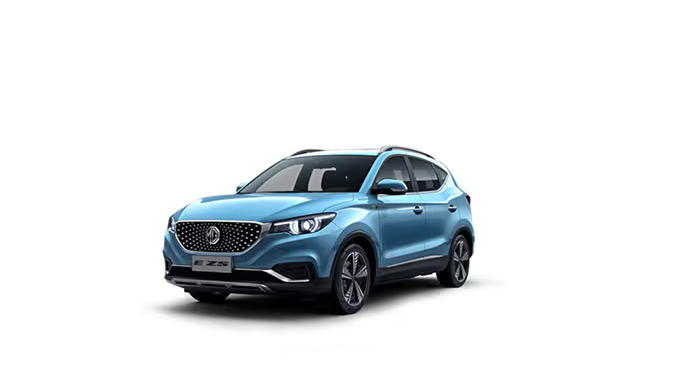
MG’s diesel story is changing in 2026, so buyers should avoid relying on older line-ups. The new Hector was launched first with petrol and a diesel version was scheduled for 2026, while the Gloster has moved through a transition toward newer large-SUV products. That makes current availability as important as fuel cost when planning a purchase.
Check current model status before comparing running cost
At the end of 2025, the all Mg diesel cars launched from Rs. 11.99 lakh ex-showroom in petrol form, with the diesel version announced for introduction in 2026. Earlier Hector diesel variants used a 2.0-litre turbo-diesel, while the Gloster also relied on diesel power. Because model availability has been changing, confirm the live line-up before using an older price list. The current market picture is more useful when separated into “live price” and “availability to verify.” This avoids comparing a current EV or petrol model with a diesel variant that may no longer be orderable in the same form.
| MG product | 2026 buying point to verify |
| All-new Hector | Petrol launched from Rs. 11.99 lakh; confirm current diesel launch/variant availability |
| Hector Plus | Check whether diesel derivatives are currently orderable and their live prices |
| Gloster | Confirm current stock/status because the large-SUV range has been transitioning |
| Newer MG EVs | Compare separately if home charging suits your use |
Running cost starts with monthly kilometres
Diesel makes the strongest economic case when annual distance is high enough for fuel savings to offset any purchase-price premium, insurance difference and maintenance pattern. A buyer covering 2,000 km a month has a very different calculation from someone driving 500 km. Build the estimate from your odometer history rather than an aspirational future mileage. Use conservative real-world efficiency for both vehicles being compared. City congestion, idling, load, tyre pressure and driving style can reduce fuel economy. A comparison that uses an optimistic diesel figure and a pessimistic petrol figure will produce a false payback period.
A simple monthly fuel-cost framework
Multiply monthly kilometres by fuel cost per kilometre for each shortlisted vehicle. Then compare the annual saving with the additional amount paid upfront for the diesel. This does not need perfect precision; it needs assumptions that are consistent and realistic enough to show whether the payback is likely to be two years, six years or effectively never during your expected ownership. The framework below can be filled with your own figures from a test-drive shortlist. Keeping the variables visible makes the decision easier to update when fuel prices or your travel pattern change.
| Input | Diesel car | Petrol / EV alternative |
| Monthly distance | Your km | Your km |
| Realistic efficiency / energy use | Your estimate | Your estimate |
| Fuel / electricity price | Local rate | Local rate |
| Monthly energy cost | Calculate | Calculate |
| Purchase-price difference | Add premium or saving | Add premium or saving |
| Estimated break-even | Purchase premium ÷ annual running saving | Compare with ownership period |
Short trips can change the diesel ownership experience
Modern diesel emission systems are designed to meet strict standards, and repeated very short low-speed trips can create operating conditions that differ from regular highway use. Drivers should understand diesel particulate-filter regeneration guidance in the owner’s manual. If most journeys are short urban hops, a petrol or electric vehicle may fit the use pattern more naturally even before cost is considered.
How MG electric cars in India change the comparison
MG electric cars in India give high-running urban buyers another route to lower energy cost, but only when charging access works. Home charging can make electricity considerably cheaper per kilometre than diesel, while frequent public fast charging narrows the advantage. EV purchase price, battery warranty, insurance and charging installation should all be included in the same ownership model. Body style also matters. A compact urban EV cannot replace the towing, space or long-distance convenience of a large diesel SUV simply because its running cost is lower. Compare vehicles that can genuinely perform the same family or business job before calculating savings.
Service, tyres and resale belong in the budget too
Fuel is visible because it is paid every week, but tyres, insurance and scheduled maintenance can materially affect five-year ownership cost. Large SUVs often use expensive tyres and carry higher insurance premiums. Ask for current service-cost guidance and tyre specifications on the exact variant rather than assuming every model in the brand costs the same to maintain.
Do not finance a diesel premium without a payback case
If a diesel variant costs more than the alternative, financing that premium adds interest to the amount you are trying to recover through lower fuel spend. Compare the total financed cost, not just the sticker gap. If the calculated break-even extends beyond the period you expect to keep the vehicle, the fuel-saving argument is weak even if the diesel drives well. Availability should be rechecked immediately before booking because MG’s 2026 line-up is evolving. A current manufacturer price page and an itemised dealer quote should take precedence over old comparison articles or saved screenshots from an earlier model year.
Conclusion
MG diesel cars can still make sense for high-running buyers, but 2026 model transitions make current availability a first-step check. Estimate running cost from your real monthly distance, include the financed purchase premium and compare only vehicles that meet the same practical need. For lower-mileage urban use, petrol or a suitably charged EV may produce a simpler ownership case.



Leave a Reply