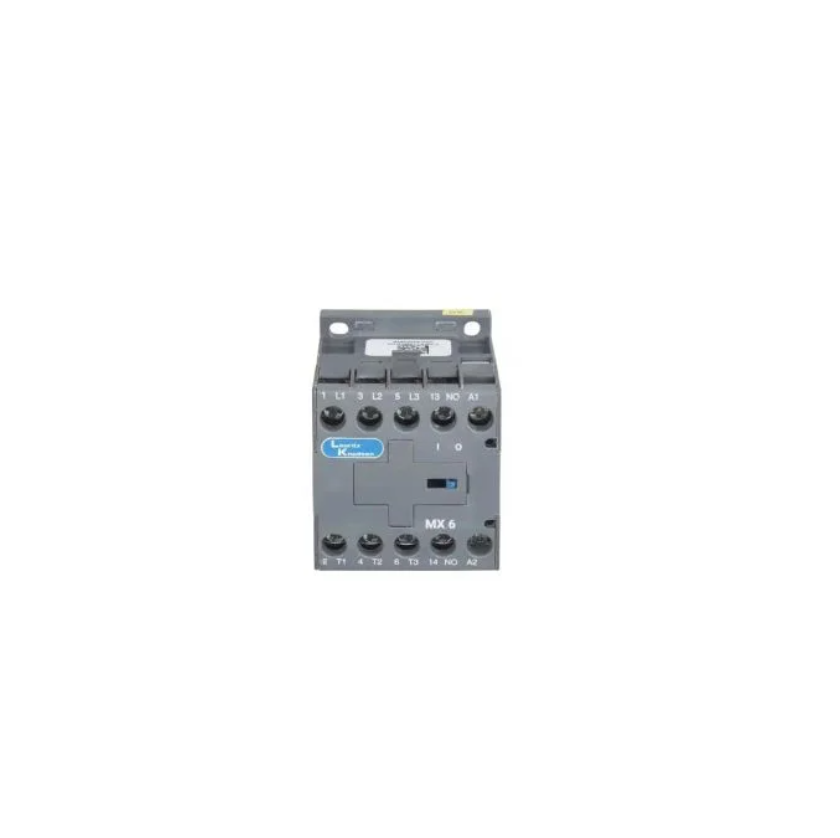
Lighting is no longer limited to simple on-and-off switches. Modern buildings are adopting intelligent lighting systems that improve convenience, reduce energy consumption, and enhance security. Lighting automation allows users to control lights based on schedules, occupancy, daylight levels, or remote access, making it an essential feature in homes, offices, and industrial facilities. Behind many automated lighting systems, a contactor relay plays an important role by safely switching electrical loads and ensuring reliable operation. Understanding how these technologies work together can help create smarter, safer, and more energy-efficient spaces.
What Is Lighting Automation?
Lighting automation is the use of smart controls and electrical devices to automatically manage lighting based on predefined conditions or user preferences. Instead of relying entirely on manual switches, automated systems adjust lighting according to occupancy, time schedules, or ambient light levels.
These systems are commonly installed in:
- Residential homes
- Office buildings
- Shopping malls
- Hotels
- Hospitals
- Educational institutions
Automation not only improves convenience but also helps optimize energy usage.
Why Lighting Automation Is Becoming Popular
As energy efficiency and smart building technologies continue to evolve, automated lighting systems are becoming a preferred choice for both residential and commercial projects.
Some key benefits include:
- Reduced electricity consumption
- Improved user convenience
- Enhanced security
- Longer lifespan of lighting fixtures
- Better control over multiple lighting zones
- Increased operational efficiency
These advantages make automated lighting a valuable investment for modern properties.
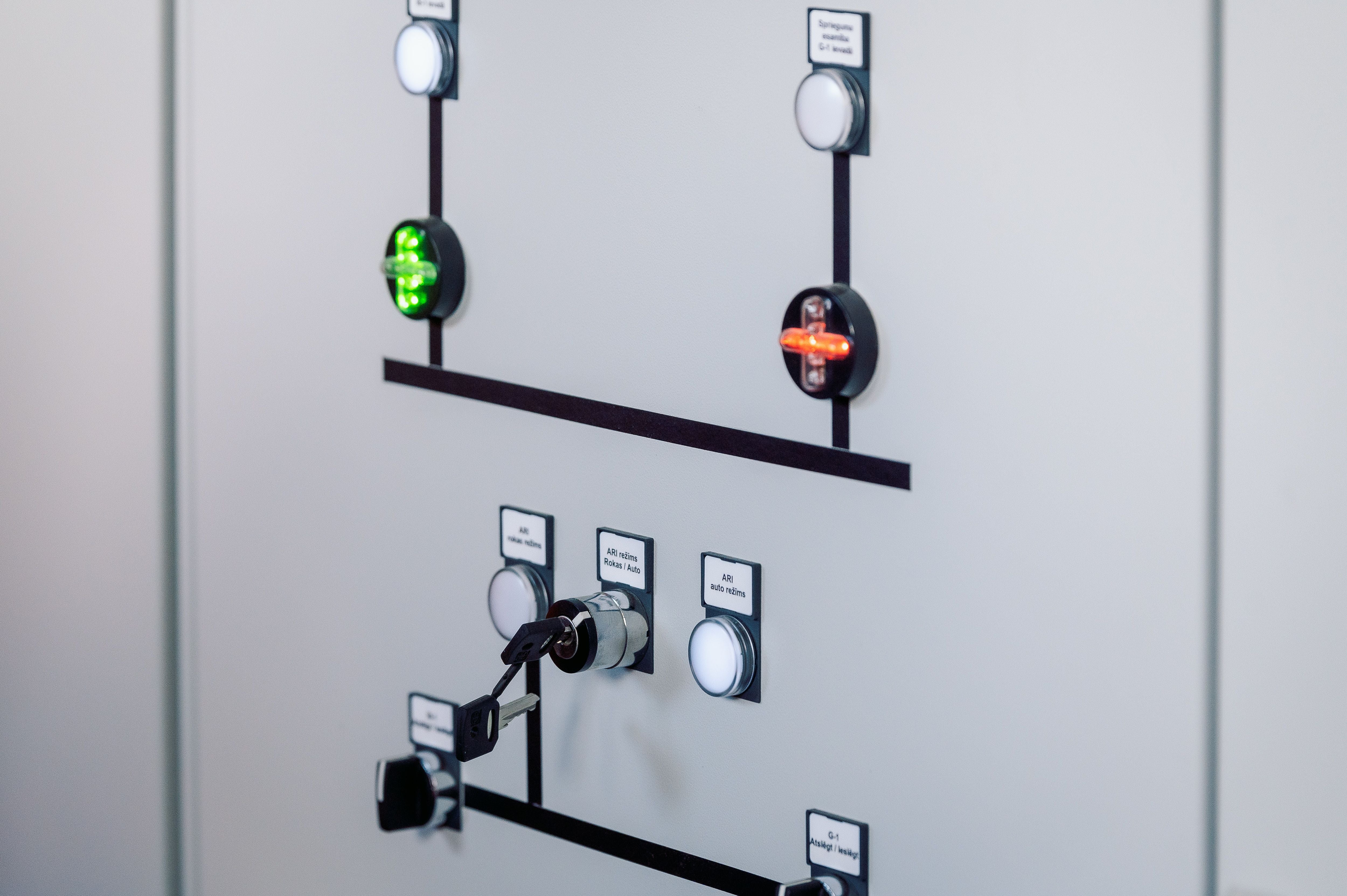
How Lighting Automation Works
An automated lighting system combines sensors, controllers, timers, and switching devices to manage lighting without constant manual intervention.
The system may respond to:
- Occupancy detection
- Motion sensors
- Time schedules
- Daylight intensity
- Mobile applications
- Centralized building management systems
Users can also manually override settings whenever necessary.
Key Components of a Lighting Automation System
Several components work together to ensure reliable and efficient operation.
1. Lighting Controllers
Controllers process commands and determine when lights should turn on, off, or dim.
2. Motion and Occupancy Sensors
These sensors detect movement and automatically activate or deactivate lighting in occupied areas.
3. Timers
Timers allow lights to operate according to preset schedules, reducing unnecessary energy consumption.
4. Smart Switches
Smart switches enable remote operation through mobile devices or home automation platforms.
5. Contactor Relay
A contactor relay is used to switch electrical loads safely, especially when controlling multiple lighting circuits or high-power installations.
It allows low-voltage control systems to manage higher electrical loads without placing excessive stress on the control equipment.
Benefits of Using a Contactor Relay
In larger lighting installations, direct switching may not always be practical or safe.
A contactor relay provides several important advantages:
1. Safe Load Switching
It safely controls high-current lighting circuits using low-power control signals.
2. Improved System Reliability
Contactors are designed for frequent switching operations, making them suitable for automated lighting applications.
3. Better Equipment Protection
Separating control circuits from power circuits helps reduce wear on switches and controllers.
4. Support for Large Installations
Commercial buildings, warehouses, and industrial facilities often rely on contactor relays to manage multiple lighting zones efficiently.
Applications of Lighting Automation
Automated lighting systems are used across a wide range of environments.
1. Residential Homes
Homeowners use lighting automation for:
- Living room lighting
- Bedroom lighting
- Outdoor security lights
- Garden lighting
- Smart home integration
2. Commercial Offices
Businesses benefit from automated lighting by reducing electricity costs and improving employee comfort.
Common applications include:
- Workstations
- Conference rooms
- Reception areas
- Parking facilities
2. Hotels
Hotels use lighting automation to enhance guest comfort while improving energy management.
3. Educational Institutions
Schools and universities reduce energy waste by automatically controlling classroom and corridor lighting.
4. Industrial Facilities
Factories and warehouses often automate large lighting systems to improve operational efficiency and workplace safety.
Factors to Consider Before Installing a Lighting Automation System
Choosing the right system depends on several practical considerations.
1. Building Size
Larger buildings typically require more advanced controllers and multiple lighting zones.
2. Energy Goals
Determine whether the primary objective is energy savings, convenience, security, or all three.
3. Compatibility
Ensure new automation devices integrate with existing electrical infrastructure.
4. Future Expansion
Choose systems that can accommodate additional lighting circuits as requirements change.
5. Ease of Operation
User-friendly interfaces improve daily operation and simplify system management.
Installation Best Practices
Proper installation ensures reliable and safe performance.
Follow these recommendations:
- Plan lighting zones carefully.
- Select appropriate sensors.
- Use compatible controllers.
- Install qualified switching devices.
- Test all automation functions after installation.
- Have installation performed by trained electrical professionals.
Proper planning helps maximize system efficiency.
Common Mistakes to Avoid
Avoid these common errors when designing automated lighting systems:
- Poor sensor placement
- Incorrect load calculations
- Overcomplicated automation routines
- Ignoring future expansion
- Using incompatible electrical components
- Skipping routine maintenance
Careful planning improves both reliability and user satisfaction.
Maintenance Tips
Routine maintenance helps automated lighting systems perform efficiently.
Recommended practices include:
- Clean motion sensors regularly.
- Test lighting schedules periodically.
- Inspect wiring connections.
- Replace damaged components promptly.
- Update automation software when required.
- Verify the proper operation of each contactor relay during scheduled maintenance to ensure reliable switching performance.
Preventive maintenance helps reduce unexpected failures and extends system life.
Future Trends in Lighting Automation
Lighting technology continues to evolve with smarter and more connected solutions.
Emerging trends include:
- AI-assisted lighting control
- Occupancy analytics
- Wireless automation
- Voice-controlled lighting
- Energy monitoring
- Integration with smart building platforms
These innovations will continue to improve energy efficiency and user experience.
Conclusion
Modern lighting automation systems provide greater convenience, improved energy efficiency, and enhanced safety for residential, commercial, and industrial environments. By combining intelligent controls with reliable components such as a contactor relay, these systems ensure smooth operation while supporting efficient power management. Investing in well-designed lighting automation helps reduce operating costs and create more comfortable spaces. With over 70 years of expertise in electrical and automation solutions, Lauritz Knudsen Smartshop continues to deliver dependable products that support safe, efficient, and future-ready electrical systems across homes, businesses, industries, and infrastructure.





Leave a Reply