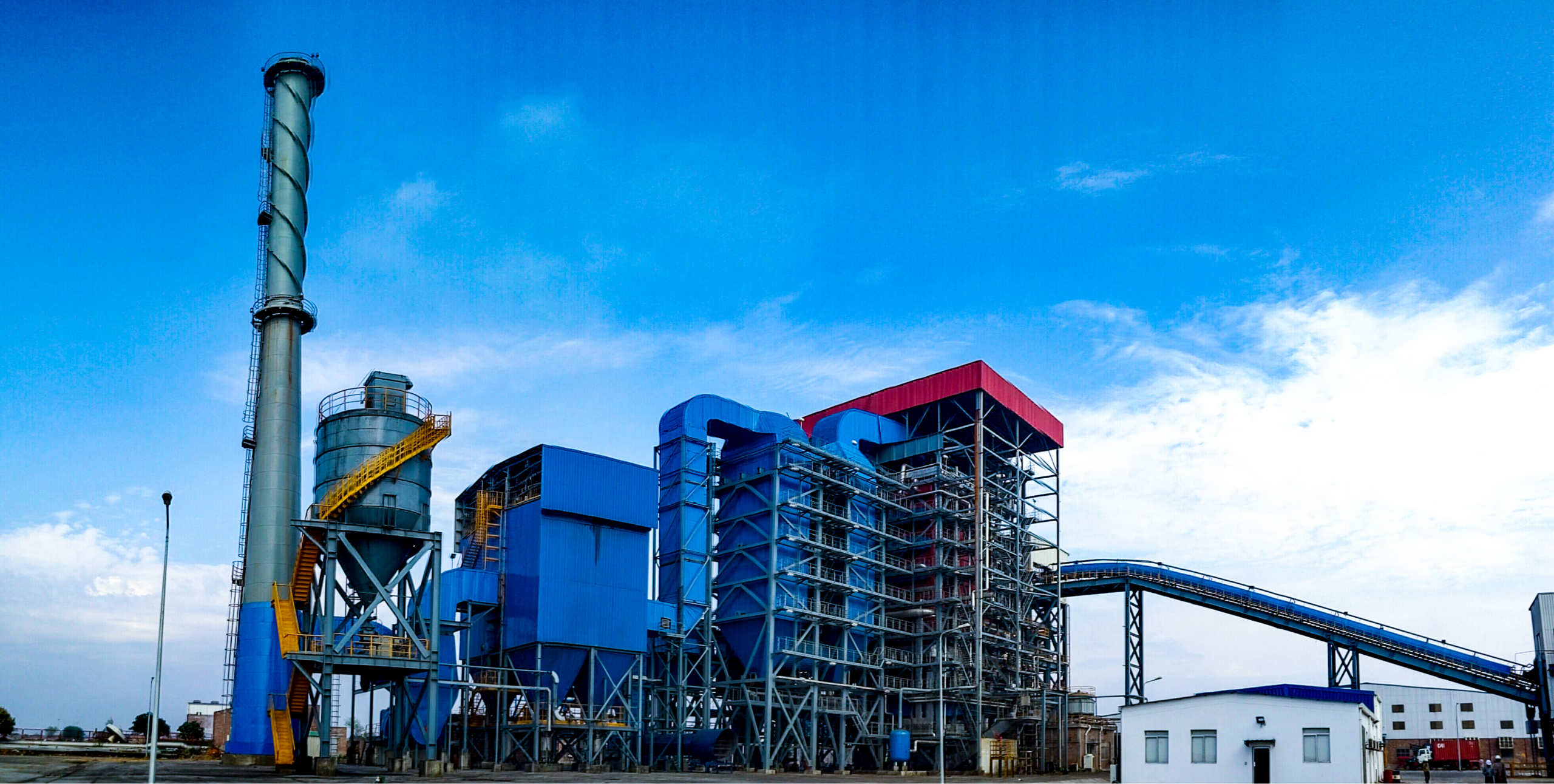
As we navigate the industrial requirements of 2026, the imperative to balance high-capacity output with stringent air quality compliance has led to a significant surge in environmental engineering innovation. For operators of legacy facilities, a denox retrofit for aging power plant remains the most strategic pathway to maintaining operational longevity while meeting global climate objectives. By integrating sophisticated nitrogen oxide (NOx) reduction technologies, industrial sites are effectively transforming their existing footprints into cleaner, more resilient assets that satisfy both government mandates and corporate environmental, social, and governance (ESG) goals.
The Technological Vanguard: SCR and SNCR Advancements
The current market for emission control is defined by a rapid move toward smarter, high-performance systems. In 2026, the industry is witnessing the widespread adoption of two core technologies:
- Selective Catalytic Reduction (SCR): This remains the gold standard for high-efficiency NOx removal, capable of achieving over 90% reduction. Recent advancements have focused on high-activity catalysts that remain stable at lower temperatures, providing a substantial advantage for older units that may have limited heat recovery capabilities.
- Selective Non-Catalytic Reduction (SNCR): Often favored for its lower capital expenditure, SNCR technology has been significantly improved through AI-driven dosing algorithms. Modern systems now utilize real-time sensors to dynamically adjust reagent injection, mitigating the historical challenge of ammonia slip while maintaining cost-effectiveness.
Furthermore, the emergence of hybrid systems—which integrate both SCR and SNCR capabilities—allows facilities to achieve highly specific emission reduction targets, offering a level of flexibility that was previously unavailable in the industrial sector.
Precision Engineering for Steel and Metallurgical Processing
The steel industry presents unique operational challenges, such as high particulate loading and intermittent firing cycles that can compromise standard emission equipment. Implementing a denox system for steel plant requires an engineering approach that prioritizes durability and modularity. In 2026, leading designs emphasize:
- Abrasion-Resistant Catalysts: New material compositions protect against the harsh chemical and physical environment of steel exhaust streams.
- Modular Reactor Configurations: These allow for maintenance and catalyst replacement during scheduled production outages, preventing unplanned downtime and protecting facility throughput.
- Integrated Monitoring: Real-time data streams allow operators to manage exhaust composition variability, ensuring consistent emission performance regardless of raw material quality.
Digitalization and Predictive Maintenance
The integration of artificial intelligence and digital twins is arguably the most transformative trend in 2026. By creating virtual models of a denox system for power plant configuration, operators can now simulate performance under a wide array of operational scenarios. This digital shift enables:
- Predictive Maintenance: Systems can forecast the end-of-life for catalytic components, allowing for precise scheduling of maintenance.
- Dynamic Load Balancing: AI algorithms optimize the reagent dosing in real-time, which reduces chemical waste and lowers the parasitic energy load of the entire emission control unit.
- Transparency and ESG Reporting: Automated, continuous emission monitoring systems provide accurate, auditable data that reinforces the facility’s compliance standing with investors and regulatory bodies.
Strategic Outlook and Economic Synergy
While initial upgrades are driven by regulatory pressure, the long-term economic benefits are increasingly clear. Modernized facilities often report improved heat rates and better fuel utilization, as the granular data from new control systems helps refine the entire combustion process. Furthermore, as global markets continue to value sustainable industrial practices, companies that invest in these advanced technologies are finding it easier to access capital and enhance their public reputation.
Conclusion
The path toward a sustainable industrial future is paved with technological innovation and a commitment to precision engineering. By embracing these advanced emission control solutions, power and steel producers are demonstrating that economic development and environmental protection are not mutually exclusive. Through the strategic application of catalyst science, digital intelligence, and robust modular design, the industrial sector is effectively securing its role as a productive, reliable, and environmentally responsible pillar of the modern global economy.




Leave a Reply