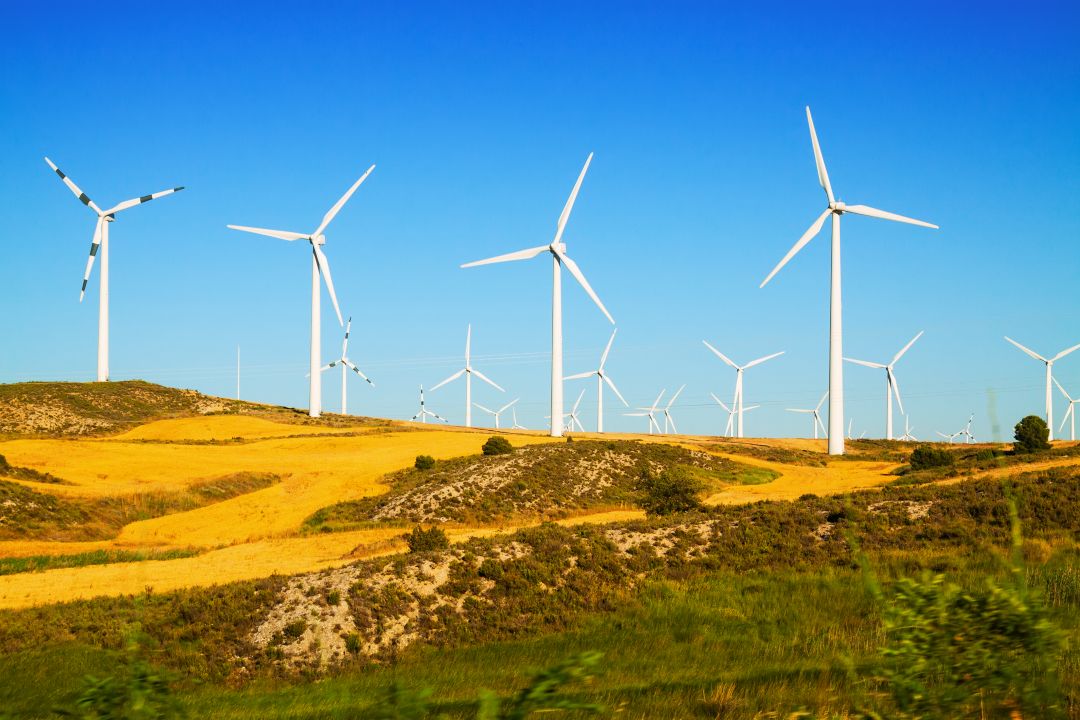
Wind projects succeed or fail on planning, transport, and safe construction. In Ireland, wind turbine installation Ireland projects often face complex logistics due to terrain, weather, and grid access.
According to the Sustainable Energy Authority of Ireland (SEAI), wind energy provides a large share of the country’s electricity supply. That growth depends on smooth delivery and assembly of turbines across rural and coastal sites.
From moving 60-metre blades to pouring stable foundations, every stage requires coordination. For landowners and developers, understanding these challenges early reduces risk.
With proper management and experienced partners, even complex installations can stay on schedule and within compliance standards.
Transporting Large Turbine Components Across Ireland
Moving turbine parts is a major task. Blades, towers, and nacelles are oversized loads. Some blades exceed 50 metres in length.
Ireland’s rural roads can be narrow and winding. Bridges and roundabouts often limit turning space. Transport teams must plan routes in advance. Garda escorts are sometimes required for safety.
Port access also plays a key role. Many turbine parts arrive by ship. Coordinating port handling and inland transport adds another layer of planning.
The weather can delay transport. Strong winds may halt crane lifts. Heavy rain can affect rural roads. Clear scheduling and backup plans reduce disruption.
Careful route surveys help avoid costly delays. Early engagement with local authorities supports smoother logistics from port to site.
Site Preparation and Ground Conditions
Every wind site begins with ground work. Strong foundations are critical for turbine stability. Soil quality must be tested before construction begins.
Ireland’s landscape varies widely. Some areas have soft peat soils. Others have rocky ground. Each condition requires a different foundation design.
Construction teams clear access roads first. Heavy cranes need stable surfaces. Drainage systems are installed to manage rainwater. This protects both the turbine base and the surrounding land.
Environmental guidelines must also be followed. The Environmental Protection Agency outlines standards to protect habitats and water sources. Compliance ensures long-term approval and community support.
Thorough ground assessment prevents future structural issues. It also supports safe turbine performance over decades.
Managing Wind Turbine Installation in Ireland Projects Efficiently
Coordinating teams and timelines is essential. Turbines Ireland projects often involve engineers, crane operators, transport crews, and safety inspectors. Each group must work in sequence.
Wind turbine installation in Ireland requires strict safety planning. Turbine towers are assembled in sections. Cranes lift each section carefully into place. Wind speed must stay within safe limits during lifts.
Key coordination steps include:
- Scheduling crane availability
- Confirming weather windows
- Aligning grid connection timing
- Managing on-site safety briefings
Even minor delays can affect project timelines. Clear communication between contractors reduces downtime.
Professional oversight helps ensure compliance with Irish construction and energy regulations. Strong management supports smoother installation from first delivery to final commissioning.
Grid Connection and Infrastructure Challenges
Installing a turbine is only part of the process. Connecting to the national grid is equally important.
Ireland’s grid infrastructure continues to expand. EirGrid manages transmission planning. Developers must secure grid connection agreements before final commissioning.
Distance to substations affects project cost. Long cable routes increase installation complexity. In some rural areas, upgrades may be required.
Electrical engineers oversee cable trenching and transformer installation. Testing follows before energy export begins. Compliance checks ensure safe integration with the grid.
Grid delays can impact revenue timelines. Early coordination with grid operators reduces risk. Reliable planning supports long-term power delivery.
Weather and Environmental Constraints
Ireland’s strong wind resource is an advantage. However, it can also delay installation work. High winds prevent safe crane lifts.
Heavy rain can soften ground surfaces. This affects heavy vehicle access. Winter daylight hours are shorter, limiting working time.
Environmental rules also guide project timing. Bird nesting seasons and habitat protection measures may restrict certain activities. Developers must align construction schedules with these requirements.
The National Parks and Wildlife Service provides environmental guidance. Following these standards protects biodiversity and supports planning approval.
Flexible scheduling and seasonal planning reduce disruption. Experienced teams adjust timelines without compromising safety or compliance.
Community Engagement and Planning Approval
Community support plays a vital role. Wind projects often require public consultation. Clear communication builds trust.
Planning authorities review visual impact, noise levels, and traffic flow. Transparent engagement helps address local concerns early. Developers often hold information sessions for residents.
Noise limits are carefully measured. Modern turbines operate within strict standards. Studies from SEAI show that wind turbines comply with regulated sound thresholds.
Strong local relationships support smoother approvals. Open dialogue reduces opposition and delays. Successful projects balance energy goals with community respect.
Frequently Asked Questions
Q1. How long does wind turbine installation Ireland usually take?
The full process can take several months. This includes site surveys, foundation works, turbine assembly, and grid connection. Actual tower erection often takes only a few days once preparation is complete.
Q2. What are the biggest logistics challenges in wind projects?
Transporting large blades and towers is a major challenge. Narrow roads and weather conditions add complexity. Careful route planning and coordination help reduce delays.
Q3. Do weather conditions affect installation timelines?
Yes, high winds and heavy rain can pause crane operations. Safety rules limit lifting during strong gusts. Seasonal planning helps manage weather-related risks.
Q4. Why is grid connection important in wind projects?
Without grid access, turbines cannot export electricity. Developers must secure agreements and complete infrastructure works. Early coordination ensures timely power generation.
Q5. How do developers manage community concerns?
Developers hold consultations and provide clear information. They address visual, noise, and traffic questions. Open communication supports smoother planning approval.
Conclusion
To conclude, investing in wind energy is a long-term decision that depends on accurate planning, reliable installation, and consistent performance over time.
In Ireland’s renewable energy landscape, projects deliver stronger results when supported by experienced providers who understand site conditions, compliance requirements, and scalable turbine deployment.
Turbines Ireland reflects this approach by focusing on practical assessments and professionally managed wind solutions that align with national sustainability goals.
This experience-led model often helps projects achieve better efficiency, long-term value, and dependable clean energy output.
For wind turbine installation in Ireland projects, partnering with experienced teams ensures safe delivery and reliable renewable performance for years ahead.




Leave a Reply