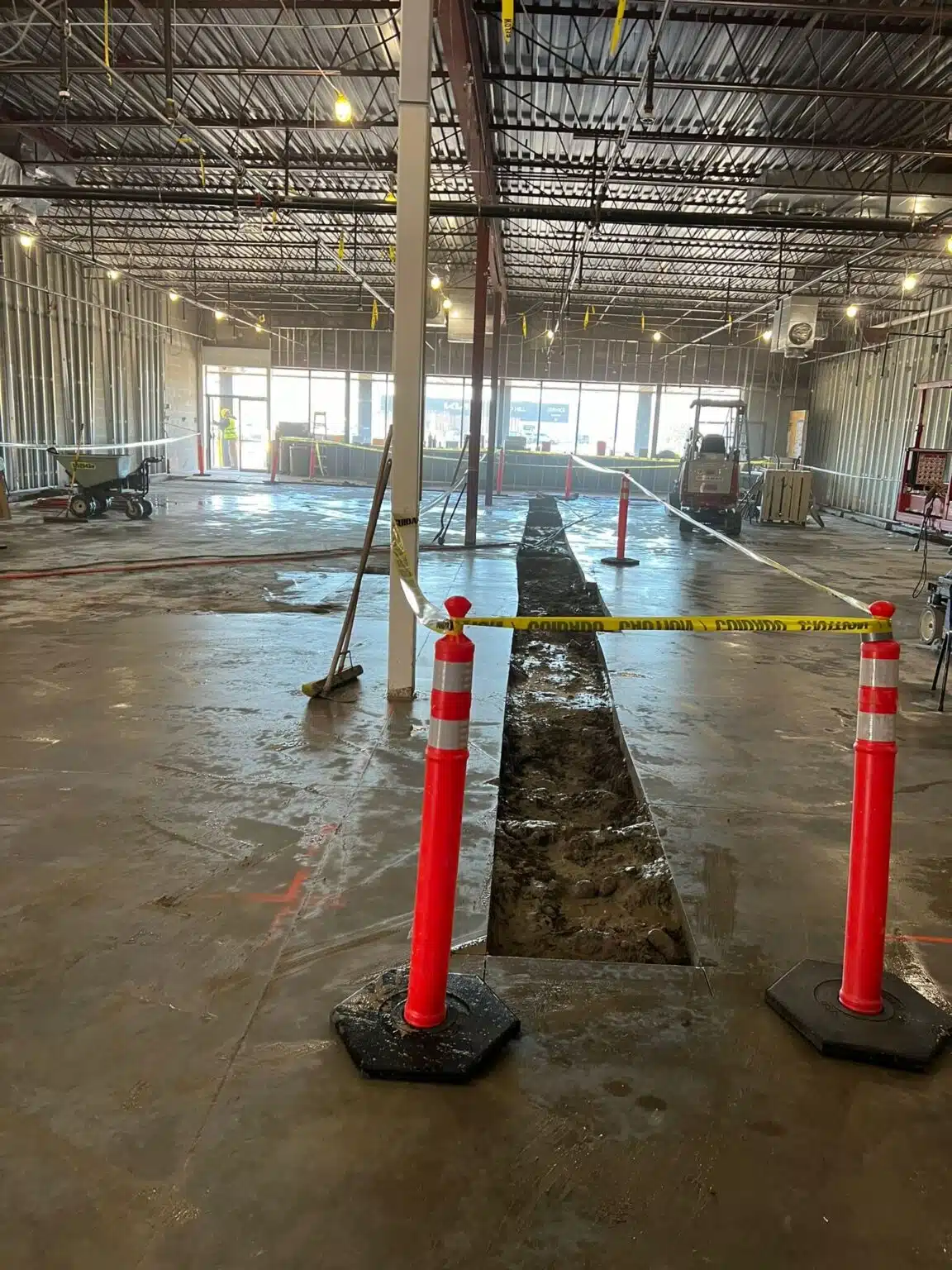
Gas line installation is a critical part of many home improvement projects, whether you are upgrading appliances, remodeling a kitchen, or planning outdoor features such as grills or fire pits. In Massachusetts, gas systems are tightly regulated due to safety concerns, making it essential for homeowners to fully understand the process before considering any DIY involvement.
While many homeowners search for “DIY gas line installation” to save money or learn the basics, it’s important to clarify upfront: most gas line work must legally be performed by licensed professionals. That said, understanding how gas line installation works, what steps are involved conceptually, and what safety and compliance issues matter can help you make informed decisions and communicate better with contractors.
This guide provides a complete, high-level overview of gas line installation, focusing on planning, safety, regulations, and best practices—without offering technical instructions that could put people or property at risk.
Understanding Gas Line Installation
Gas line installation refers to the process of planning, extending, modifying, or replacing gas piping systems that deliver natural gas or propane to appliances. These appliances may include furnaces, water heaters, stoves, dryers, fireplaces, or outdoor equipment.
In Massachusetts, gas line installation is governed by strict state and local building codes. These regulations exist because improper gas work can lead to leaks, fires, explosions, or carbon monoxide exposure. Even small mistakes can have serious consequences.
Why Homeowners Research DIY Gas Line Installation
Homeowners often explore DIY gas line installation for several reasons:
- To understand what contractors will be doing
- To estimate project timelines and costs
- To prepare their property for professional installation
- To avoid unnecessary upgrades or replacements
- To ensure compliance with Massachusetts regulations
Learning the fundamentals helps you stay informed, but it should not replace licensed work.
Gas Line Installation Regulations in Massachusetts
Massachusetts has some of the most stringent gas safety laws in the United States. Any work involving gas piping typically requires:
- A licensed plumber or gas fitter
- Approved permits from local authorities
- Inspections after installation
- Compliance with Massachusetts Fuel Gas Code (248 CMR)
Attempting full DIY gas line installation without proper licensing can result in fines, failed inspections, denied insurance claims, or serious safety hazards.
Permits and Inspections Matter
Gas line installation is not just about connecting pipes. Permits ensure the work meets safety standards, while inspections verify that the system is secure and leak-free. Skipping these steps can lead to legal and financial consequences.
Planning a Gas Line Installation Project
Although the physical installation should be left to professionals, homeowners can still take part in the planning phase.
Evaluating Your Gas Needs
Before starting any gas line installation project, it’s important to understand:
- Which appliances require gas
- Whether existing lines have enough capacity
- If future upgrades are planned
- Whether natural gas or propane is used
Proper planning prevents costly changes later.
Choosing the Right Location
Gas lines must be routed safely, avoiding unnecessary bends, moisture-prone areas, and high-traffic zones. In Massachusetts homes—especially older properties—this step is critical due to aging infrastructure.
Safety Considerations You Should Never Ignore
Gas line installation involves combustible fuel under pressure. Safety is non-negotiable.
Common Risks of Improper Gas Line Installation
- Gas leaks
- Fire hazards
- Explosion risks
- Carbon monoxide exposure
- Appliance malfunction
Even minor errors can escalate quickly. This is why professional training, certification, and inspection are required by law.
When DIY Stops and Professionals Begin
Homeowners may safely handle tasks such as:
- Researching codes and permits
- Preparing access areas
- Coordinating inspections
- Maintaining clear appliance locations
Actual gas pipe installation, modification, or connection should always be performed by licensed experts.
Materials and Design Considerations (Overview Only)
Modern gas line installation may involve various approved materials, depending on the application and code requirements. The selection of materials affects durability, pressure handling, and long-term safety.
System Design and Load Calculations
Professionals calculate gas load requirements to ensure appliances receive adequate pressure. Incorrect sizing can cause appliances to fail or operate inefficiently.
Understanding that these calculations exist helps homeowners appreciate why gas line installation is not a trial-and-error process.
Costs of Gas Line Installation in Massachusetts
The cost of gas line installation varies based on:
- Length of piping required
- Number of appliances
- Accessibility of installation areas
- Permit and inspection fees
- Labor costs in Massachusetts
While DIY approaches may seem cheaper upfront, improper work can lead to far higher costs due to repairs, penalties, or safety incidents.
Maintenance and Long-Term Safety
Once a gas line installation is completed by a licensed professional, homeowners should focus on ongoing safety.
Signs You Should Never Ignore
- Smell of gas
- Hissing sounds near lines
- Appliances not working correctly
- Unexplained increases in gas bills
If any of these occur, contact a professional immediately.
Routine Checks and Awareness
Although homeowners should not adjust gas lines themselves, staying aware of changes in performance or smell is a key part of responsible ownership.
Why Hiring a Licensed Professional Is the Smart Choice
In Massachusetts, hiring a licensed gas professional is not just recommended—it’s often legally required. Professionals bring:
- Code compliance knowledge
- Proper tools and testing equipment
- Insurance coverage
- Permit handling
- Long-term reliability
Understanding the process of gas line installation allows you to make smarter decisions without risking safety.
Frequently Asked Questions (FAQs)
1. Is DIY gas line installation legal in Massachusetts?
In most cases, no. Massachusetts law requires licensed professionals to perform gas line installation due to safety and code compliance concerns.
2. Why is gas line installation considered dangerous?
Gas is flammable and pressurized. Improper installation can cause leaks, fires, explosions, or carbon monoxide poisoning.
3. Can I prepare my home before professional gas line installation?
Yes. You can plan appliance locations, clear access areas, and understand permit requirements, but not perform gas work.
4. How long does a gas line installation usually take?
Project timelines vary depending on complexity, permits, and inspections. Simple installations may take a day, while larger projects take longer.
5. Does professional gas line installation increase home value?
Yes. Proper, code-compliant gas systems improve safety, efficiency, and resale value—especially in Massachusetts.
Final Thoughts
Gas line installation is a serious home improvement project that requires careful planning, legal compliance, and professional expertise. While learning about DIY gas line installation can help homeowners understand the process, safety and Massachusetts regulations make licensed installation the only responsible choice.
By focusing on education, preparation, and working with qualified professionals, you protect your home, your investment, and the people who live in it—while ensuring your gas system operates safely and efficiently for years to come.





Leave a Reply