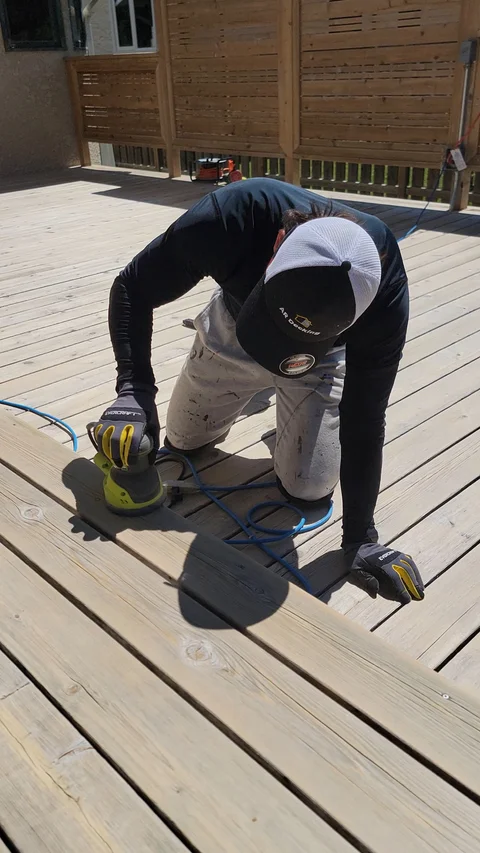
Your deck is more than wood and nails. It is where summer barbecues happen, where kids play, and where you relax after a long day. But in Winnipeg, harsh winters, snow, ice, and rain can damage even strong decks. This guide will show you how to spot problems early, fix them the right way, and protect your deck for years. If you follow these simple steps, you can save money, stay safe, and enjoy your outdoor space with confidence. Let’s begin with the most important step—checking your deck carefully.
Start With a Full Inspection
Before you grab tools, take a slow walk around your deck. Look at the boards, railings, stairs, and posts. Press on the wood with a screwdriver. If it feels soft or breaks easily, there may be rot. Look for loose nails, cracked boards, or wobbly railings. Winnipeg’s freeze and thaw cycles can make small cracks worse over time. The sooner you find issues, the easier they are to fix. Many homeowners who later need deck repair services in Winnipeg first notice these small warning signs during a simple inspection. Now that you know what to look for, let’s talk about the most common problem—wood rot.
Fixing Rotten Wood the Right Way
Rot often starts where water sits too long. Snow melts, rain falls, and moisture sinks into unsealed wood. If the damage is small, you can remove the bad section and fill it with exterior wood filler. Sand it smooth after it dries. If the board is badly damaged, replace it fully. Always use pressure-treated lumber made for outdoor use. This wood resists moisture better, which is important in Winnipeg’s climate. Once rot is handled, the next step is to tighten what winter may have loosened.
Tighten Loose Nails and Screws
Cold weather causes wood to shrink and expand. This movement can loosen nails and screws. Walk across the deck and listen for squeaks. Feel for boards that move under your feet. Replace old nails with deck screws for a stronger hold. Screws grip wood better and last longer. Also check railings and stairs. Safety is key, especially if children or older adults use the deck. With everything tightened, it’s time to repair cracked or split boards.
Repairing Cracked or Split Boards
Small cracks are normal, but large splits can become dangerous. If the crack is minor, you can seal it with exterior wood sealant. This stops water from entering and making the crack worse. For deep splits, replace the board. Measure carefully before cutting new lumber. Secure it tightly to prevent shifting. Fresh boards also improve how your deck looks. Speaking of looks, let’s move to cleaning and restoring the surface.
Deep Cleaning Makes a Big Difference
Dirt, mold, and algae build up over time. This not only looks bad but also makes the deck slippery. Use a deck cleaner made for wood. Scrub with a stiff brush. You can also use a pressure washer, but keep the pressure low to avoid damaging the wood. Cleaning helps you see hidden damage and prepares the deck for sealing. Once your deck is clean and dry, you’re ready to protect it.
Seal and Stain for Long-Term Protection
Sealing your deck is one of the most important steps. A good sealant protects against water, sun, and snow. In Winnipeg, weather changes fast, so protection is vital. Apply stain or sealant with a brush or roller. Make sure the wood is fully dry before starting. Choose a product made for Canadian climates. This simple step can add years to your deck’s life. But what if the damage feels too big to handle alone?
When to Call Professionals
Some repairs are simple. Others need expert skills. If your deck frame is weak, posts are unstable, or large areas are rotting, it may be time to call experts who offer deck repair services in Winnipeg. Professionals can inspect structural parts that you may not see. They also know local building codes and safety rules. Hiring help at the right time can prevent costly rebuilds later. Now let’s talk about preventing future damage.
Prevent Problems Before They Start
Prevention is always easier than repair. Clear snow off your deck in winter to reduce moisture buildup. Move planters so water does not sit under them. Clean leaves in fall to stop mold growth. Check your deck every spring for damage caused by ice and cold winds. Small yearly checks can stop large repairs later. A little care each season keeps your deck strong and safe.
Upgrade While You Repair
Repairs are also a chance to improve your deck. You can replace old wood with composite boards that resist rot. Add stronger railings for safety. Install better drainage to prevent water pooling. Even small upgrades can boost comfort and value. If you plan to sell your home in the future, a well-maintained deck makes a great impression. But no matter what upgrades you choose, safety should always come first.
Focus on Deck Safety
Safety is not just about strong boards. Make sure railings are secure and meet height guidelines. Stairs should not wobble. Add anti-slip strips if surfaces become slick in rain. Good lighting helps prevent trips at night. In Winnipeg’s long winters, icy steps are common, so use safe ice-melting products that will not damage wood. A safe deck means peace of mind for your whole family.
Understand Winnipeg’s Climate Impact
Winnipeg has cold winters and warm summers. This causes wood to expand and shrink often. Over time, this movement leads to cracks and loose fasteners. Snow adds heavy weight, and ice traps moisture. Choosing quality materials and sealing them well helps fight these issues. Always plan repairs during dry weather for best results. Timing your work right can make repairs last longer.
Tools You May Need
Basic deck repairs do not require complex tools. A drill, deck screws, hammer, pry bar, measuring tape, saw, wood filler, sealant, and safety gloves are often enough. Always wear eye protection when cutting wood. If you feel unsure about using power tools, consider getting help. Having the right tools makes the job faster and safer.
Budgeting for Deck Repairs
Small repairs cost much less than full replacements. Replacing a few boards or resealing the surface is affordable. But ignoring damage can lead to structural problems. Plan a small yearly budget for maintenance. This keeps costs steady and avoids sudden large expenses. Investing a little now saves a lot later.
Why Regular Maintenance Matters
Many homeowners only act when damage becomes visible. But regular care extends your deck’s life by many years. Think of your deck like your car. Routine checkups prevent breakdowns. Clean it, inspect it, seal it, and tighten fasteners each year. These small steps protect your investment and keep your outdoor space beautiful.
Final Thoughts
Repairing your deck may seem hard at first, but with careful inspection, simple tools, and steady work, most homeowners can handle basic fixes. When problems are bigger, trusted experts can help. If readers want reliable guidance or professional support, they can explore trusted resources like winnipegfences.com for more information. With the right care, your deck can stay strong through Winnipeg’s toughest seasons and remain a place where memories are made.
FAQs
How often should I seal my deck in Winnipeg?
Most decks should be sealed every 2 to 3 years. Harsh winters may require more frequent sealing.
Can I repair deck boards in winter?
It is best to repair decks in dry, mild weather. Cold temperatures can affect wood and sealant performance.
How do I know if my deck structure is unsafe?
If posts move, boards sag, or railings wobble, the structure may be weak. In that case, contact a professional for inspection.





Leave a Reply