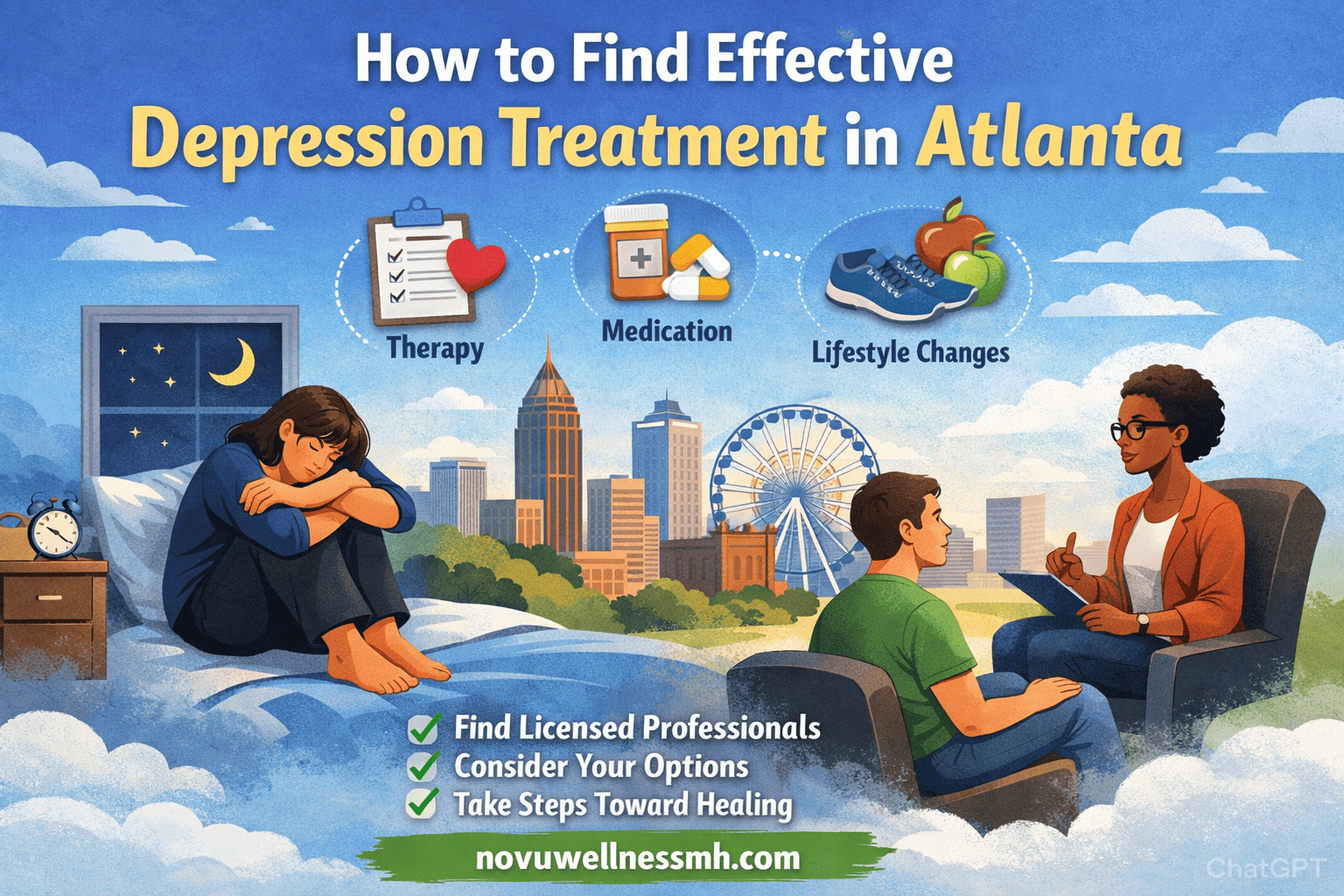
Depression can make even simple tasks feel heavy. But the good news is that real help is available, and this guide will show you how to find it. If you or someone you love feels sad, tired, or hopeless for weeks at a time, it may be time to look for professional support. In this article, you will learn clear steps to choose the right care, what types of treatment exist, how to check quality, and how to feel confident in your choice. Finding the right depression treatment Atlanta offers can truly change your life—and it starts with knowing where to look.
Understand What Depression Really Is
Depression is more than just a bad day. It can affect sleep, appetite, focus, and even your body. Some people feel deep sadness. Others feel numb or angry. When these feelings last for more than two weeks, it may be clinical depression. Knowing this helps you take the next step instead of ignoring the signs. If you are noticing these symptoms, exploring depression treatment Atlanta options early can make a big difference. And once you understand what you are facing, choosing the right treatment becomes easier.
Know the Signs Before You Search
Before you look for help, take a moment to notice the symptoms. Do you feel tired all the time? Have you lost interest in things you once enjoyed? Are you having trouble sleeping or eating? These signs matter. Writing them down can help when you speak to a professional. When you clearly see the pattern, you will feel more prepared—and preparation builds confidence.
Learn About the Types of Treatment
Not all treatment looks the same, and that is a good thing. Therapy, also called counseling, allows you to talk through feelings with a trained therapist. Medication, prescribed by a doctor or psychiatrist, can help balance brain chemicals. Some people benefit from both. Others improve with lifestyle changes like exercise, sleep routines, and stress management. Knowing your options helps you feel in control instead of overwhelmed.
Look for Licensed Professionals
In Atlanta, many providers offer mental health services. But it is important to choose licensed and trained professionals. Look for psychologists, licensed professional counselors, clinical social workers, or psychiatrists. Check their credentials on official state licensing websites. When you confirm qualifications, you protect your safety—and that peace of mind matters.
Consider Experience With Depression
Not every therapist specializes in depression. Some focus on trauma, anxiety, or family therapy. Ask if the provider has experience treating depression specifically. You can also ask what therapy methods they use, such as Cognitive Behavioral Therapy (CBT), which is widely supported by research for depression. When a provider understands your condition deeply, the path forward becomes clearer.
Think About Comfort and Trust
Treatment works best when you feel safe. During your first session, notice how you feel. Do you feel heard? Does the therapist listen without judgment? Trust grows over time, but the first meeting should feel respectful and supportive. If it does not feel right, it is okay to look for another provider. You deserve care that feels comfortable.
Check Accessibility and Location
Atlanta is a large city, and travel time matters. Look for clinics near your home, school, or workplace. Many providers also offer telehealth sessions, which allow you to meet online. Flexible options make it easier to stay consistent. And consistency is key when treating depression.
Review Insurance and Costs
Cost can feel stressful, but planning helps. Check if the provider accepts your insurance. If you do not have insurance, ask about sliding scale fees. Many clinics offer payment plans. Being clear about costs early prevents surprise bills later. Financial clarity allows you to focus on healing instead of worrying.
Read Reviews Carefully
Online reviews can offer helpful insight. Look for comments about professionalism, kindness, and effectiveness. However, remember that one negative review does not always tell the full story. Focus on patterns rather than single comments. When you read thoughtfully, you gather useful information without jumping to quick conclusions.
Ask Questions During Consultation
Many providers offer short consultations before starting treatment. Use this time wisely. Ask about treatment plans, session length, expected progress, and emergency support. Clear answers show professionalism. When your questions are welcomed, it signals respect—and respect builds trust.
Understand That Healing Takes Time
Depression treatment is not instant. Some people feel better in a few weeks. For others, it takes months. Progress may come in small steps. Celebrate small wins, like improved sleep or better focus. These signs show that healing is happening. When you expect gradual growth, you stay patient and hopeful.
Include Support Systems
Family and friends can support recovery. While therapy is private, trusted loved ones can encourage you. Let someone know you are seeking help. A strong support system increases success. You do not have to face depression alone—and remembering that makes the journey lighter.
Pay Attention to Personalized Care
Effective care should feel tailored to you. A good provider creates a plan based on your symptoms, history, and goals. If treatment feels generic or rushed, speak up. Your voice matters. Personal care leads to better outcomes and long-term improvement.
Watch for Warning Signs of Poor Care
Be cautious if a provider rushes diagnosis, avoids answering questions, or promises quick cures. Ethical professionals are transparent and realistic. They explain both benefits and risks of treatment options. Awareness protects you and ensures you receive quality support.
Look for Community Resources
Atlanta has community mental health centers, nonprofit organizations, and support groups. These can be helpful alongside therapy. Support groups allow you to meet others facing similar challenges. Shared experiences reduce isolation. When you realize others understand your struggle, hope grows stronger.
Know When to Seek Immediate Help
If someone has thoughts of self-harm or suicide, immediate help is necessary. Call emergency services or a crisis hotline right away. Safety always comes first. Quick action can save lives. Keeping this information nearby is an important part of responsible planning.
Evaluate Progress Regularly
After a few sessions, reflect on changes. Are your symptoms improving? Do you feel more hopeful? Discuss progress openly with your provider. Treatment plans can be adjusted if needed. Flexibility ensures that care stays effective.
Make Mental Health a Priority
Depression treatment is not a luxury. It is essential healthcare. Taking time for therapy sessions, rest, and self-care is an investment in your future. When you treat your mental health as important, you create space for long-term well-being.
A Helpful Option to Consider
If you are searching for trusted depression treatment Atlanta residents can rely on, consider exploring services from Novu Wellness Mental Health. Their team focuses on personalized, compassionate care designed to meet each individual’s needs. For more information, visit novuwellnessmh.com and learn how professional support can help you move toward a brighter future.
Questions
How long does depression treatment usually last?
Treatment length varies. Some people improve in 8–12 weeks, while others need longer care. It depends on symptom severity and treatment type.
Is medication always required for depression?
No. Some people improve with therapy alone. Others benefit from medication. A licensed provider can help decide what is best.
Can children and teens receive depression treatment in Atlanta?
Yes. Many licensed professionals specialize in treating children and teens using age-appropriate therapy methods.





Leave a Reply