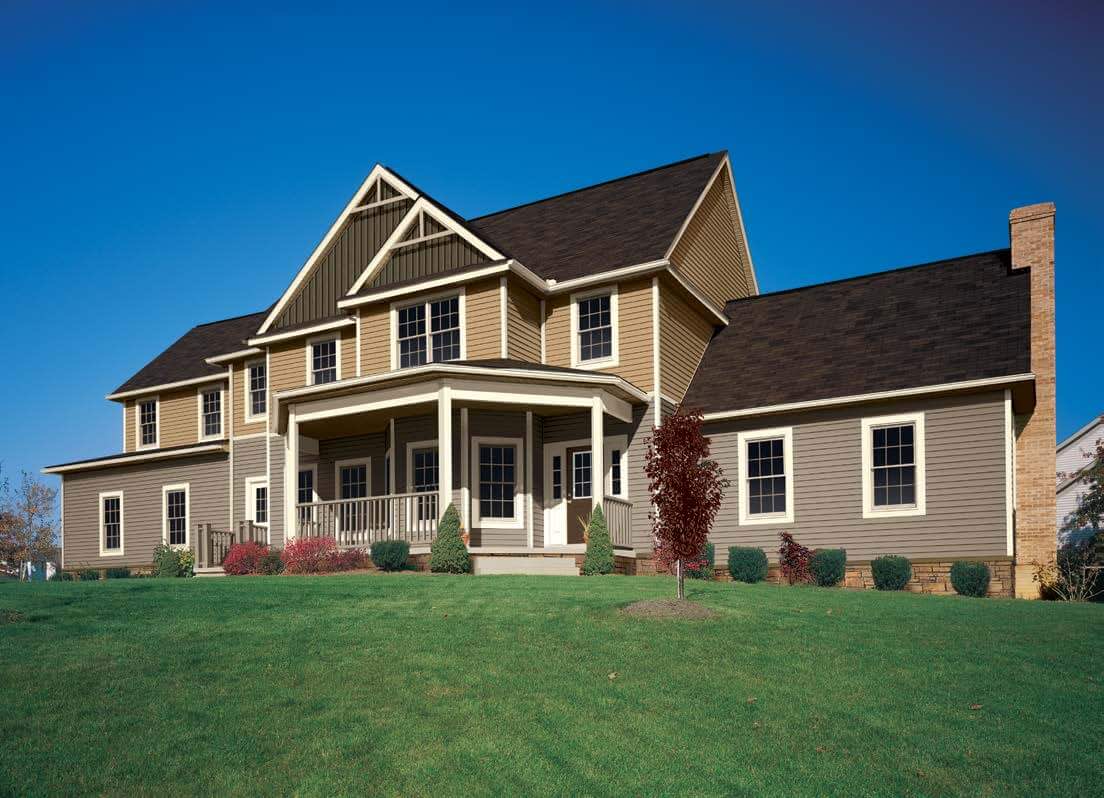
Choosing the right siding is a big decision because it protects your home, affects energy bills, and shapes how your house looks every single day. In this guide, you’ll learn what makes craneboard solid core siding different, how it performs in real life, what it costs, and who it’s best for. By the end, you’ll clearly know whether this siding is a smart investment for your home and your budget.
What Craneboard Solid Core Siding Really Is
At its core, this siding is designed to be stronger and smarter than standard vinyl. Instead of being hollow, each panel is filled with a solid insulating core that supports the outer layer. This small change creates a big upgrade in strength, comfort, and durability—setting it apart from traditional options right away.
Why the “Solid Core” Makes a Big Difference
The solid core acts like a built-in shield. It supports the panel from behind, helping it resist dents, warping, and bending. This means everyday bumps—from lawn tools to flying debris—are far less likely to leave marks. Stronger panels equal fewer repairs and a cleaner look for longer.
Built-In Insulation That Works All Year
One of the biggest advantages is insulation that’s already part of the siding. The solid core helps reduce heat loss in winter and keeps outside heat from sneaking in during summer. This extra layer helps your home feel more comfortable while reducing the strain on heating and cooling systems.
Energy Savings You Can Actually Feel
Because the insulation wraps your home like a blanket, indoor temperatures stay more stable. Rooms near exterior walls feel less drafty in cold weather and cooler during heat waves. Over time, this steady comfort can translate into noticeable savings on energy bills.
A Cleaner, Straighter Look on Your Walls
Solid core panels don’t sag or wave as easily as hollow siding. Once installed, the exterior looks smooth and straight, even in bright sunlight. That clean finish gives homes a polished appearance that often looks closer to real wood—without the constant upkeep.
Strong Enough for Tough Weather
From heavy rain to strong winds, this siding is built to handle harsh conditions. The rigid core helps panels stay in place and resist cracking during temperature changes. If you live in an area with extreme seasons, this strength adds real peace of mind
How It Compares to Standard Vinyl Siding
Standard vinyl is affordable and popular, but it’s usually hollow. That makes it easier to dent and less effective at insulation. Solid core siding costs more upfront, but it offers better strength, comfort, and long-term value—especially for homeowners planning to stay put.
How It Stacks Up Against Fiber Cement
Fiber cement is known for durability, but it’s heavy and often more expensive to install. Solid core siding delivers strong performance with less weight and simpler installation. It also offers better built-in insulation, which fiber cement usually needs added separately.
Low Maintenance That Saves Time
This siding doesn’t need painting, staining, or sealing. A simple wash with water keeps it looking fresh. For busy homeowners, that means more free weekends and fewer maintenance costs over the years.
Color That Lasts for Years
High-quality finishes help the color resist fading from sunlight. Even after years of exposure, the siding keeps its original tone better than many alternatives. That lasting color helps maintain curb appeal without extra work.
Noise Reduction You’ll Notice
The dense core doesn’t just insulate temperature—it also dampens sound. Outside noise like traffic, wind, or neighborhood activity is reduced. This makes indoor spaces quieter and more relaxing, especially in busy areas.
Installation: What to Expect
Installation is similar to vinyl siding but requires precision to fit panels correctly. Because the panels are more rigid, experienced installers ensure proper alignment and fastening. When done right, the result is a tight, secure exterior that performs as intended.
Is Installation More Expensive?
Labor costs can be slightly higher than standard vinyl because of the material’s rigidity. However, the difference is often balanced out by long-term savings in repairs, energy use, and maintenance. Paying a bit more upfront can mean paying much less later.
Cost Breakdown: Is It Worth the Price?
Solid core siding usually costs more than basic vinyl but less than premium materials like natural wood or brick. When you factor in durability, insulation, and low upkeep, many homeowners find the value strong over the life of the home.
Long-Term Value for Homeowners
Homes with durable, energy-efficient siding often appeal more to buyers. The upgraded look and comfort can boost resale value. Even if you’re not planning to sell soon, knowing your home is protected adds confidence.
Environmental Benefits to Consider
Better insulation means less energy use, which lowers your home’s carbon footprint. Longer-lasting siding also reduces waste since it doesn’t need frequent replacement. These small advantages add up over time.
Common Myths About Solid Core Siding
Some people think it looks “plastic” or is too expensive to justify. In reality, modern designs closely mimic wood grain, and the long-term savings often outweigh the initial cost. Understanding the facts helps avoid costly misconceptions.
Who Should Choose This Type of Siding?
This siding is ideal for homeowners who want durability, comfort, and low maintenance. If you live in a climate with hot summers, cold winters, or strong storms, the added strength and insulation make a real difference.
When It Might Not Be the Best Fit
If the budget is extremely tight or you plan to move very soon, basic vinyl might make more sense. Solid core siding shines most when you can enjoy its benefits over many years.
Real-Life Performance Over Time
Many homeowners report fewer repairs and steadier indoor temperatures after installation. The siding holds its shape, keeps its color, and continues to perform even after years of exposure. That consistency is a big part of its value.
Making the Final Decision
Choosing siding isn’t just about today’s price—it’s about years of comfort, protection, and peace of mind. Solid core siding offers a balanced mix of strength, efficiency, and appearance that fits many modern homes.
Final Thoughts: Is It Worth the Investment?
If you want a siding option that looks great, performs well, and requires little upkeep, this material is a strong contender. The higher upfront cost is often offset by energy savings, durability, and long-term satisfaction. For many homeowners, it’s an investment that pays back quietly, year after year.
Frequently Asked Questions
Q1. How long does solid core siding typically last?
With proper installation and basic care, it can last several decades, often outlasting standard vinyl siding.
Q2. Can it be installed over existing siding?
In some cases, yes. A professional inspection is needed to ensure the surface is suitable and meets local building codes.
Q3. Does it really improve energy efficiency?
Yes. The built-in insulation helps reduce heat transfer, which can lead to more stable indoor temperatures and lower energy use.




Leave a Reply