If you are planning a retaining wall, one of the first questions that comes to mind is time. How long will it take from start to finish? This guide gives you a clear and honest answer. You will learn what affects the timeline, what happens at each stage, and how to avoid delays. By the end, you will have a realistic idea of how long retaining wall installation usually takes and what you can expect along the way.
The short answer is this: most residential retaining walls take anywhere from a few days to a few weeks. The exact time depends on size, materials, site conditions, and planning. Let’s break it all down in a simple and easy way
Why Retaining Wall Timelines Are Not One-Size-Fits-All
No two yards are the same, and no two retaining walls are built exactly alike. A small garden wall on flat ground is very different from a tall wall holding back heavy soil on a slope.
Because of this, timelines change based on the project. Understanding these differences helps you set realistic expectations and avoid frustration before work even begins.
Step 1: Planning and Design (A Few Days to 2 Weeks)
Before any digging starts, planning comes first. This step includes deciding the wall’s purpose, height, materials, and location.
Design may take longer if the wall is large or complex. Some homeowners move quickly, while others need time to review options. Rushing this step often causes problems later, so taking a little extra time here is usually worth it.
Step 2: Permits and Approvals (A Few Days to Several Weeks)
Some retaining walls need permits, especially taller ones or walls near property lines. Permit time depends on local rules and how fast approvals are processed.
In some areas, permits are quick. In others, they take weeks. A good plan is to check this early so it does not delay the build later.
Step 3: Site Preparation (1–3 Days)
Once everything is approved, the site is prepared. This includes clearing plants, removing old structures, and marking the layout.
This step may be quick for open yards. It may take longer if access is tight or if old materials need removal. Proper site prep sets the stage for a smooth build.
Step 4: Excavation and Base Work (1–4 Days)
Excavation is when the real work begins. Soil is dug out to create space for the wall and its base.
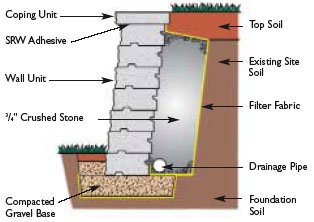
The base is one of the most important parts of the wall. It supports the weight and keeps the wall level. Solid base work takes time, but it prevents future shifting or leaning.
Step 5: Drainage Installation (1–2 Days)
Drainage is often hidden, but it plays a huge role in how long a wall lasts. Water pressure is one of the biggest causes of wall failure.
Installing gravel, drainage pipes, or filters helps water move away from the wall. This step is not rushed in quality projects because it protects the wall for years.
Step 6: Building the Wall (2–7 Days)
This is the stage most people think of when they imagine the project. Blocks, stone, or concrete are placed layer by layer.
Smaller walls may be finished in a couple of days. Larger or taller walls take longer because each layer must be placed carefully and checked for strength and level.
Step 7: Backfilling and Compaction (1–2 Days)
Once the wall is built, soil is placed back behind it in layers. Each layer is compacted to reduce future settling.
This step may seem simple, but it is very important. Proper backfilling helps the wall stay strong and stable over time.
Step 8: Finishing Touches (1–2 Days)
The final step includes cleaning the site, adding caps or finishes, and restoring nearby landscaping.
This stage makes the project look complete and polished. It also ensures the area is safe and ready to use again.
Typical Timeline Summary
Here is a simple breakdown for a standard residential wall:
- Planning and permits: 1–4 weeks
- Construction work: 5–14 days
In total, most projects take 2 to 6 weeks from planning to completion. Smaller walls may be faster, while complex projects take longer.
What Can Make Installation Take Longer?
Several factors can extend the timeline. Bad weather is one of the most common. Heavy rain can slow digging and base work.
Other delays include permit issues, poor soil conditions, and design changes after work starts. Knowing these risks helps you plan with patience.
How to Keep Your Project on Schedule
Clear communication helps more than anything. Decide on materials and design early and stick with them.
Also, prepare the site ahead of time if possible. Removing obstacles early can save days during construction.
DIY vs Professional Timelines
DIY projects often take much longer. What a professional crew finishes in days may take weeks for a homeowner working alone.
Professional retaining wall installation is usually faster because teams have experience, tools, and a clear process. This saves time and reduces mistakes.
Why Rushing Is a Bad Idea
Trying to speed things up can cause long-term problems. Skipping base work or drainage may save time now, but it leads to failure later.
A retaining wall is a long-term structure. Taking the right amount of time ensures safety, strength, and peace of mind.
What a Realistic Schedule Looks Like
A realistic timeline includes small breaks, weather delays, and inspection time. Expecting a perfect, instant build often leads to stress.
When you plan with flexibility, the process feels smoother and more predictable.
Final Thoughts on Timing
Retaining wall projects are not overnight jobs, but they do not drag on forever either. With proper planning, most homeowners are surprised by how organized and manageable the timeline is.
Knowing what happens at each stage helps you stay informed and confident throughout the process.
A Resource Worth Exploring
If you are researching professional retaining wall installation and want to learn more about trusted services in this space, DFW Retaining Walls & Pool Demo is often mentioned for its clear process and experience.
Frequently Asked Questions
Q1. Can a retaining wall be built in one day?
Very small decorative walls may be built in one day. Most functional retaining walls take several days due to base, drainage, and backfilling work.
Q2. Does wall height affect installation time?
Yes. Taller walls require more excavation, stronger bases, and added drainage, which increases the timeline.
Q3. Is winter a bad time for retaining wall installation?
Cold weather and frozen ground can slow work. Installation is still possible in some cases, but timelines may be longer than in warmer months.





Leave a Reply