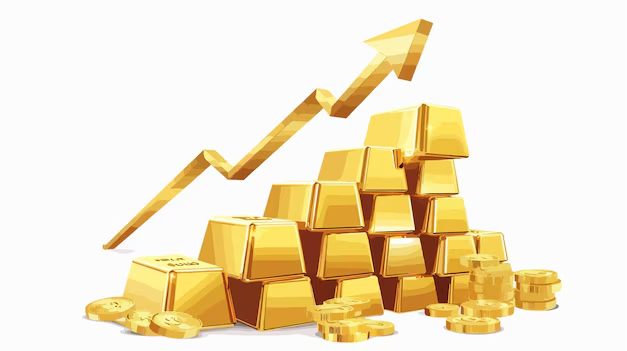
You may have noticed that the gold rate often rises during weddings and festivals. Understanding why this is the case can help you time your buying or selling decisions, manage budgets, and avoid overpaying by timing your purchase right. Seasonal demand, cultural patterns, and market dynamics all influence the gold rate, and knowing these factors equips you to act strategically rather than reactively. This guide breaks down the key reasons behind gold price movements during peak seasons.
Seasonal Demand Drives Price Increases
During weddings and festivals, demand for gold rises sharply. In India, these periods are traditionally associated with purchasing jewellery for gifting, dowries, and personal use. When more people compete to buy gold, sellers increase prices to balance demand and supply.
Key periods of higher demand include:
- Wedding season: Typically between October and February
- Major festivals: Diwali, Akshaya Tritiya, Dhanteras, and wedding-related festivals
- Regional celebrations: Some states have unique festivals where gold buying spikes
Higher demand directly impacts the gold rate. If you plan to buy, tracking these seasons helps you anticipate price movements.
Cultural Practices Influence Buying Patterns
Gold is not just an investment; it is a culturally significant asset. Families often purchase gold as a symbol of wealth, security, and prosperity during celebrations.
Cultural factors affecting the gold rate:
- Gift traditions: Jewellery is commonly gifted during weddings and festivals
- Investment for future security: Gold is considered a safe, liquid asset
- Symbol of status: Higher social emphasis on gifting premium jewellery drives demand
Understanding these practices helps explain why the gold rate moves even when global market trends are stable.
Market Dynamics And Speculation
Gold prices are also affected by market sentiment and speculative trading. Traders anticipate higher demand during festivals and weddings, which can create a temporary price surge.
Factors in market-driven price changes:
- Futures contracts and trading expectations
- Speculation by jewellery retailers and wholesalers
- Currency fluctuations are affecting import costs
Fluctuating gold prices also influence the Gold Loan interest rate, as lenders adjust loan terms based on the current market valuation of gold.
Even a small change in the international gold rate or the Indian rupee’s value can amplify price movements during high-demand periods.
Supply And Production Constraints
Jewellery manufacturers may face limitations in production capacity during peak seasons. Limited supply coupled with higher demand leads to an increase in the gold rate.
Supply-related factors:
- Reduced availability of high-demand designs or purity levels
- Delays in gold imports are affecting local availability
- Labour constraints in crafting intricate jewellery pieces
A combination of supply constraints and demand surges explains why prices often jump noticeably during festivals and weddings.
How To Strategically Buy Gold?
Knowing the reasons behind price increases allows you to act wisely. Timing and careful planning can help you manage costs effectively.
Tips for informed buying:
- Compare prices from multiple jewellers before making purchases
- Consider buying slightly before peak seasons to avoid last-minute surges
- Track the gold rate daily to spot minor dips in price
- Decide on purity levels (22k vs 24k) based on requirement and cost
| Buying Strategy | Benefit | Notes |
| Purchase 1–2 months in advance | Avoid last-minute spikes | Requires planning |
| Choose certified jewellers | Ensure authenticity | Check BIS hallmark |
| Track historical price trends | Predict better buying time | Use reputable sources |
Using a structured approach can help you get the best value without compromising on quality.
When To Avoid Buying Gold?
Sometimes it is wiser to wait rather than rush into purchases.
Situations to avoid buying gold:
- Peak demand days with heavy price surges (e.g., first day of Diwali shopping)
- Sudden market speculation leading to temporary spikes
- Updates related to an increase in import duties or taxes
Waiting for minor corrections can save you a notable amount without affecting your festive or wedding plans.
Using Gold For Investment vs Gifting
Your buying strategy may differ depending on the purpose.
- For gifting: Focus on design, purity, and cultural significance. Price increases are expected, but the emotional and social value often outweighs minor cost differences.
- For investment: Prioritise timing and price trends. Consider holding gold in certified bars or coins to avoid high making charges associated with jewellery.
Conclusion
The gold rate does not rise randomly during weddings or festivals; it responds to predictable patterns in demand, cultural practices, and market sentiment. By recognising these trends, you can make informed decisions, whether buying for gifting, investment, or savings purposes. Being aware of timing, demand cycles, and price indicators helps you optimise value and reduce financial risk.




Leave a Reply