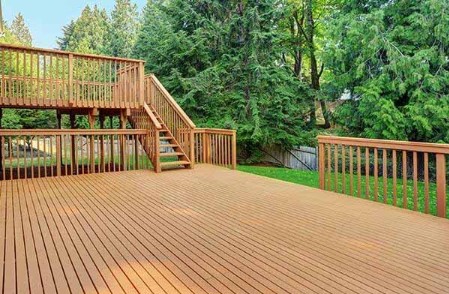
Choosing the right deck material can feel confusing, especially when two popular options seem so different. The truth is simple: both wood and composite decks can be great, but they work best for different people and lifestyles. This guide clearly explains the real differences, costs, care needs, and long-term value so you can decide what truly makes sense for you, not just what looks good online.
Start With the Big Picture
Before picking materials, think about how you will use your deck. Will it be a quiet place to relax or a busy space for family and friends? Some decks need more care, while others focus on ease. When you match the material to your lifestyle, you avoid regret later.
What Is a Wood Deck?
A wood deck is made from natural lumber like pressure-treated wood, cedar, or redwood. Many homeowners love wood because it feels warm and natural underfoot. It also blends easily with most homes and yards. This classic option has been used for decades for a reason.
What Is a Composite Deck?
Composite decking is made from a mix of wood fibers and plastic. It is designed to look like wood but last longer with less care. Composite boards resist rot, insects, and moisture. This makes them popular for people who want a cleaner look with less work.
First Look: Appearance and Style
Wood has a natural grain that many people love. Each board looks slightly different, which adds charm. Composite decks look more uniform and modern. If you like a natural feel, wood often wins. If you prefer a clean and consistent look, composite may feel right.
Cost Upfront: What You Pay at the Start
Wood decks usually cost less to build at first. This makes them attractive for tighter budgets. Composite decks cost more upfront because of material price. However, starting cost is only part of the full story, and long-term value matters too.
Long-Term Cost: What You Pay Over Time
Wood needs regular care like staining, sealing, and occasional board replacement. These costs add up over the years. Composite needs very little upkeep, mostly just cleaning. Over time, composite may cost less overall, even though it starts higher.
Maintenance: Time and Effort Matter
Wood decks need attention to stay strong and safe. Without care, wood can crack, fade, or rot. Composite decks do not need staining or sealing. If you want low effort, composite saves time. If you don’t mind regular care, wood can still be a good choice.
Durability and Lifespan
A well-maintained wood deck can last many years, but neglect shortens its life. Composite decks are built to last longer, even in tough weather. They resist moisture damage better and keep their shape over time. Durability matters if you plan to stay long-term.
Weather and Climate Considerations
Hot sun, rain, and snow affect decks differently. Wood expands and contracts more with weather changes. Composite handles weather better and resists water damage. In harsh climates, composite often performs more consistently.
Safety Underfoot
Wood can splinter as it ages, which may be a concern for bare feet or kids. Composite boards are smooth and splinter-free. Many also offer slip-resistant surfaces. Safety is a big factor for families and high-use decks.
Environmental Impact
Wood is a natural resource, and some types are sustainably sourced. Composite uses recycled materials, which reduces waste. Both options can be eco-friendly when chosen wisely. The better choice depends on how materials are sourced and used.
Comfort and Heat
Wood stays cooler under the sun than many composite boards. Some composite decks can feel warm in direct sunlight. Newer composite products are improving in this area, but heat is still worth considering if your deck gets full sun.
Repair and Replacement
Damaged wood boards are easy to replace one at a time. Composite boards are durable but harder to match if damaged years later. Repairs are rare with composite, but wood offers more flexibility for small fixes.
Installation Differences
Wood is easier to cut and adjust on-site. Composite requires careful spacing and specific fasteners. Both need proper installation to perform well. Material choice can affect build time and planning.
Which Option Fits Your Lifestyle Better?
If you enjoy hands-on care and want lower upfront cost, a wood deck can be a great fit. If you want low maintenance and long-term ease, composite may be the better choice. There is no wrong answer—only what fits your life best.
Making the Choice Less Stressful
Don’t rush the decision. Think about budget, time, weather, and how often you’ll use the deck. Ask questions and compare real samples if possible. A calm choice now prevents regret later.
When Professional Advice Helps
If you feel stuck, getting advice can help clarify options. Professionals can explain how each material performs in your local climate and usage needs. This guidance often makes the decision much easier.
Final Comparison Summary
Wood offers natural beauty and lower upfront cost but needs regular care. Composite offers long life and low maintenance but costs more at first. The best choice depends on your priorities, not trends.
Final Thoughts
Both wood and composite decks can create beautiful outdoor spaces. The key is choosing the one that fits your budget, time, and lifestyle. When you make an informed choice, your deck becomes a place of comfort, not stress. The right material turns outdoor plans into everyday enjoyment.
FAQs
1. Is a wood deck cheaper than composite?
Yes, wood costs less at the start, but composite may cost less over time.
2. Which deck material lasts longer?
Composite decks usually last longer with less maintenance.
3. Can composite decks look like real wood?
Yes, many modern composite boards closely mimic wood grain and color.





Leave a Reply