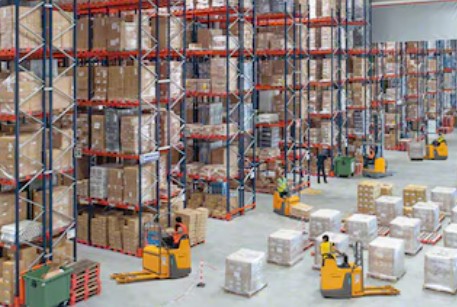
A well-organized warehouse saves time, reduces stress, and boosts daily productivity—and the fastest way to reach that goal is using the right pallet racking system. This guide explains how pallet racking helps you use space better, improve safety, and keep work flowing smoothly. You’ll learn what matters most, what to avoid, and how to make smart choices that support both today’s needs and tomorrow’s growth.
Why Warehouse Organization Matters
A cluttered warehouse slows everyone down. Workers waste time searching for items, and mistakes happen more often. Good organization creates clear paths, faster picking, and safer work zones. When everything has a place, daily tasks feel easier and more predictable.
What Pallet Racking Really Does
Pallet racking stores goods vertically instead of spreading them across the floor. This simple idea unlocks more space without expanding your building. By stacking smartly, you protect products, reduce damage, and keep aisles open. More space means more control.
Start by Understanding Your Inventory
Every warehouse is different because every product is different. Look at pallet size, weight, and how often items move. Some goods ship daily, while others sit longer. Knowing this helps you choose storage that fits real needs, not guesses.
Measure Your Space the Right Way
Before planning layouts, measure ceiling height, floor area, doors, and support columns. These details shape how tall or wide racks can be. Careful measuring avoids blocked exits and wasted corners. A few minutes with a tape measure can save weeks of trouble.
Choose the Right Racking Style
Not all racking works the same. Some systems give quick access to every pallet, while others store items deeper to save space. The right style balances access, speed, and storage density. Choosing wisely keeps work flowing without frustration.
Think About How Goods Move
Do products come in and out daily, or only once in a while? Fast-moving items need easy access. Slow-moving stock can go deeper. Matching racking to movement patterns cuts down on travel time and keeps orders on schedule.
Safety Comes First, Always
Strong racking protects both people and products. Proper load limits, solid anchors, and straight frames prevent accidents. Adding guards near busy aisles reduces damage from forklifts. A safe warehouse builds trust and keeps operations running smoothly.
Plan Aisles for Easy Movement
Aisle width affects how fast and safely equipment moves. Narrow aisles save space but may need special forklifts. Wider aisles allow standard tools but use more floor space. Choose what fits your equipment and comfort level.
Don’t Forget the Floor
Warehouse floors carry heavy loads every day. Before installing tall or dense racking, check floor strength. Weak floors can crack under pressure. Strong foundations keep racking stable and extend its life.
Follow Local Rules and Codes
Fire safety and building rules exist for a reason. These rules often set limits on rack height and aisle size. Following them avoids fines and forced changes. More importantly, it keeps workers safe during emergencies.
Think Ahead, Not Just Now
Your warehouse will change as your business grows. Choose racking that can adjust or expand later. Systems that allow beam changes or extra rows save money over time. Planning ahead keeps growth smooth, not stressful.
Installation Makes a Big Difference
Even strong racking fails if installed poorly. Frames must be level, beams locked, and anchors secure. Professional installation reduces risk and improves long-term strength. A good setup protects your investment from day one.
Budget with Purpose
Cheapest is not always best. Low-quality racks bend faster and need repairs. Investing in strong materials reduces damage and downtime. Smart spending today prevents bigger costs tomorrow.
Keep Maintenance Simple
Regular checks catch small problems early. Look for bent beams, loose bolts, or impact marks. Easy-to-maintain systems save time and improve safety. A few minutes of inspection can prevent major issues.
Train Your Team Well
Even the best system needs trained users. Teach workers load limits and safe stacking. Clear training reduces accidents and builds confidence. A skilled team keeps the warehouse running like clockwork.
Use Signs and Labels
Clear labels show weight limits and storage zones. Signs guide new workers and prevent mistakes. Simple visuals improve speed and reduce confusion during busy shifts.
Special Storage Needs Matter
Some products need extra care, like cold storage or outdoor protection. Special racking designs handle these needs better. Matching storage to product type protects quality and reduces waste.
Test Layouts Before Installing
Sketch your layout before building. Mark aisles, racks, and work areas. This reveals problems early and improves flow. A clear plan makes installation faster and smoother.
Review and Improve Over Time
Warehouses evolve. Review layout and storage use often. Small changes can improve speed and safety. Continuous improvement keeps your operation strong and flexible.
Key Takeaway
Pallet racking is more than storage—it’s a tool for efficiency, safety, and growth. When chosen and used wisely, it turns chaos into control and space into opportunity.
Frequently Asked Questions
Q: How do I know which pallet racking is best for my warehouse?
A: Start with your inventory size, weight, and movement speed. Match these needs to a system that balances access and space.
Q: Can pallet racking be expanded later?
A: Yes. Many systems are modular and allow extra rows or beam changes as your storage needs grow.
Q: How often should pallet racking be checked?
A: Quick visual checks should happen weekly, with detailed inspections at least once a year or after any impact.





Leave a Reply