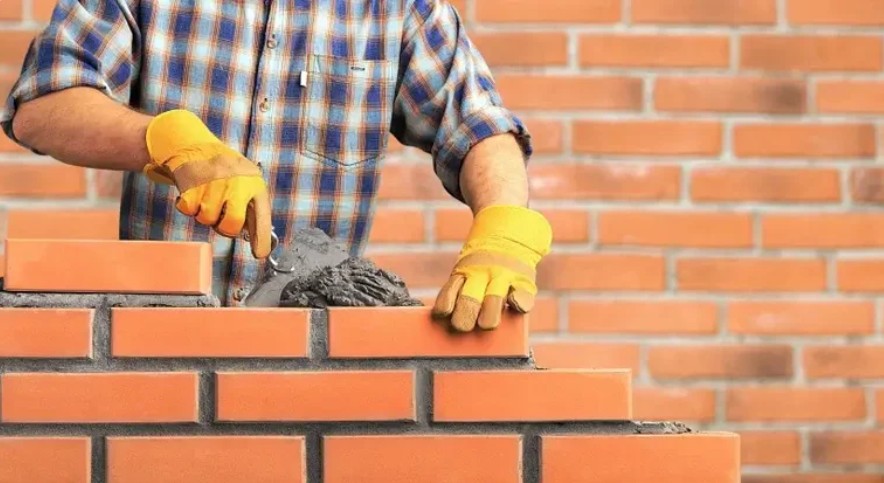
Brick and stone give homes strength, beauty, and long life—but even the toughest materials need care over time. This guide explains how a trusted Masonry company helps solve common brick and stone problems before they turn into costly damage. You’ll learn what issues to watch for, why they happen, and how professional repairs protect your home in simple, easy-to-read language.
Why Masonry Repairs Should Never Be Ignored
Small cracks and loose stones may look harmless at first. Over time, they allow water to enter and weaken the structure. Early repairs stop bigger problems before they start. Acting fast saves money and keeps your home safe.
How Brick and Stone Get Damaged
Weather, age, and moisture slowly wear masonry down. Freeze and thaw cycles cause expansion and cracking. Poor drainage also adds pressure. Knowing the cause helps choose the right fix.
Cracked Bricks: A Common Warning Sign
Cracks in bricks often appear as thin lines. They may grow wider if ignored. Cracks let water inside, leading to deeper damage. Repairing them early keeps walls strong.
Loose or Missing Mortar Joints
Mortar holds bricks and stones together. Over time, it can crumble or fall out. This weakens the wall and allows movement. Repointing replaces old mortar and restores strength.
Bulging or Bowing Walls
Walls that curve outward signal serious pressure issues. This often comes from moisture trapped behind the wall. Professional repair is needed quickly. Early action prevents collapse.
Water Stains on Brick or Stone
Dark stains or white powder marks show water problems. Moisture can damage masonry from the inside. Sealing and drainage fixes help stop further harm. Dry walls last longer.
Spalling: When Bricks Start to Flake
Spalling happens when brick faces peel or break off. This usually comes from trapped moisture freezing inside. Damaged bricks should be replaced, not patched. Proper repairs restore appearance and strength.
Stone Shifting or Settling
Stone walls and features can move if the base shifts. This may cause uneven surfaces or gaps. Resetting stones correctly fixes the issue. A solid base is key to long-term stability.
Chimney Masonry Problems
Chimneys face harsh weather year-round. Cracked crowns, loose bricks, and damaged mortar are common. These issues can become safety risks. Regular repairs keep chimneys safe and functional.
Foundation Masonry Damage
Cracks in foundation blocks or stone are serious. They may allow water into basements. Timely repair protects your home’s structure. Strong foundations support everything above.
Why DIY Masonry Repairs Often Fail
Masonry work needs skill and proper materials. Incorrect mixes or poor techniques can cause more damage. Professional repair lasts longer and looks better. Quality work pays off over time.
Matching Materials Matters
Using the wrong mortar or stone can weaken repairs. Skilled masons match materials carefully. This keeps repairs strong and visually seamless. Proper matching protects the original structure.
Weather Timing Makes a Difference
Masonry repairs need the right temperature and conditions. Cold or wet weather affects curing. Professionals plan work at the right time. Good timing ensures lasting results.
Preventing Damage with Simple Care
Cleaning gutters and managing drainage protects masonry. Sealing surfaces helps block moisture. Small maintenance steps reduce repair needs. Prevention is always cheaper than repair.
How Inspections Save Money
Regular inspections catch issues early. Many problems are easy to fix when small. Inspections reduce surprise costs. Peace of mind comes from knowing your walls are sound.
When Repairs Turn into Restoration
Sometimes damage is widespread. Restoration repairs large sections while keeping the original look. This approach extends the life of the structure. Careful restoration preserves value.
Safety Is Part of Masonry Repair
Loose bricks and stones can fall. This creates safety risks. Proper repairs remove hazards. Safe homes protect families and visitors.
How Masonry Repairs Improve Home Value
Well-maintained masonry boosts curb appeal. Buyers notice clean, solid brick and stone. Repairs also improve inspection results. Strong walls add confidence and value.
Choosing the Right Masonry Contractor
Look for experience, clear quotes, and past work examples. Good communication matters. A reliable contractor explains the process simply. Trust grows from transparency.
Clear Quotes Prevent Stress
Detailed quotes explain materials, labor, and timelines. This avoids surprise costs. Clear pricing builds trust. Always get repairs in writing.
Long-Term Benefits of Professional Repairs
Quality repairs last many years. They reduce future issues and maintenance. Strong masonry supports the whole home. Long-term thinking saves money.
Common Mistakes Homeowners Make
Waiting too long is the biggest mistake. Another is patching instead of repairing properly. Choosing unskilled help also causes problems. Smart decisions protect your home.
Masonry Repairs Are an Investment
Repairs protect structure, safety, and appearance. They prevent costly damage later. Investing now saves more later. Strong masonry supports a strong home.
Simple Takeaway
Brick and stone problems start small but grow fast. Professional masonry repairs solve issues correctly and last longer. Early care keeps homes safe, strong, and beautiful.
Frequently Asked Questions
Q: How long do masonry repairs usually last?
A: With proper materials and installation, repairs can last decades.
Q: Can masonry repairs be done in winter?
A: Some repairs can, but most are best done in mild, dry weather.
Q: How do I know if cracks are serious?
A: Growing cracks or wall movement should be checked by a professional.





Leave a Reply